
GlobalTrack Pro : GPS Tracking & Location Intelligence
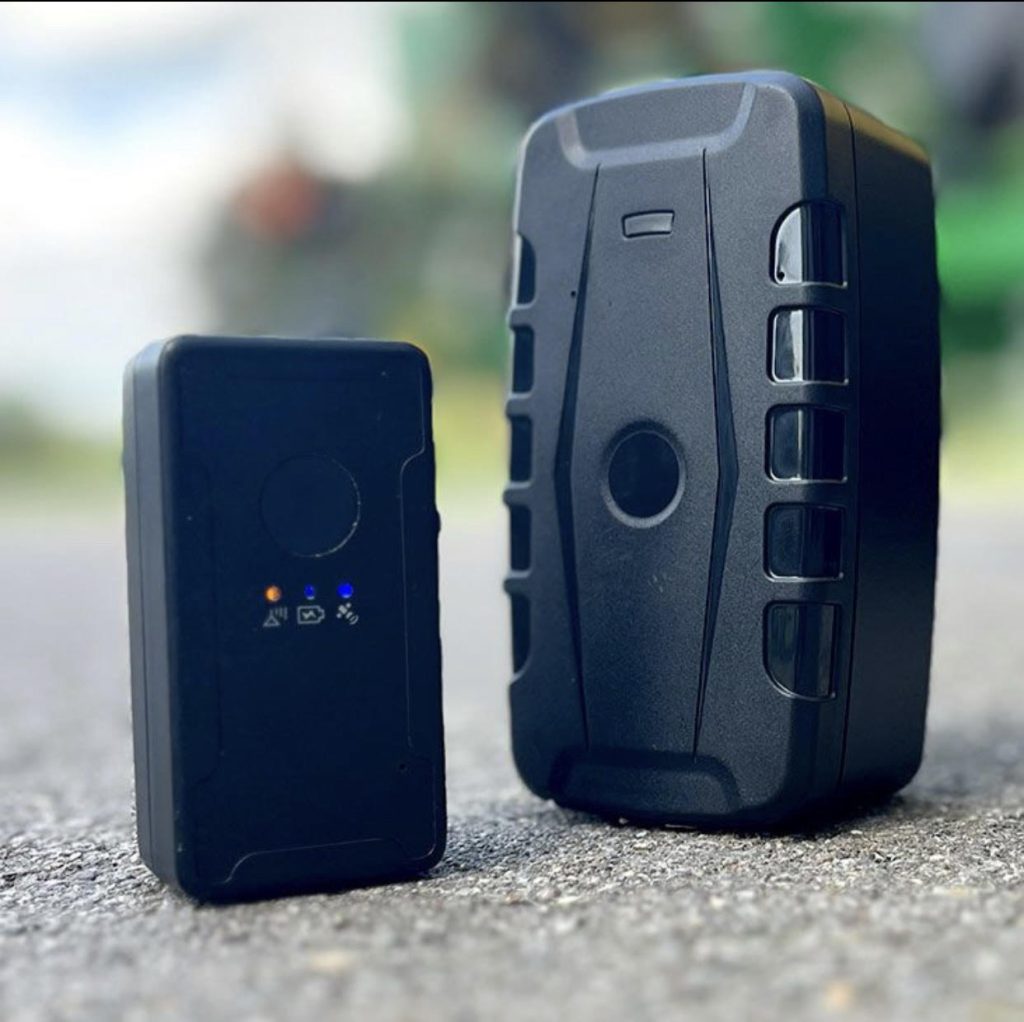
GlobalTrack Pro : GPS Tracking & Asset Monitoring
GlobalTrack Pro brings together GPS tracking and GPS-enabled monitoring technologies for authorized vehicle, asset and operational location requirements.
From dedicated GPS trackers for vehicles and mobile assets to GPS-enabled remote monitoring devices, the range addresses different tracking requirements including vehicle visibility, asset location, movement monitoring, geofencing, long-term reporting and remote location awareness.
GPS Tracking Technology for Vehicles, Assets & Operational Visibility
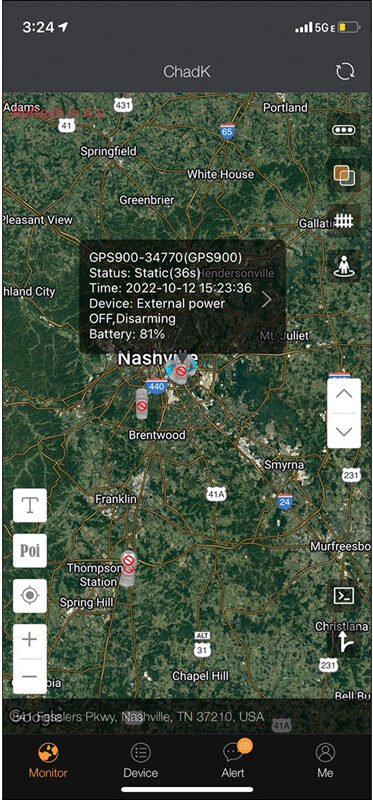
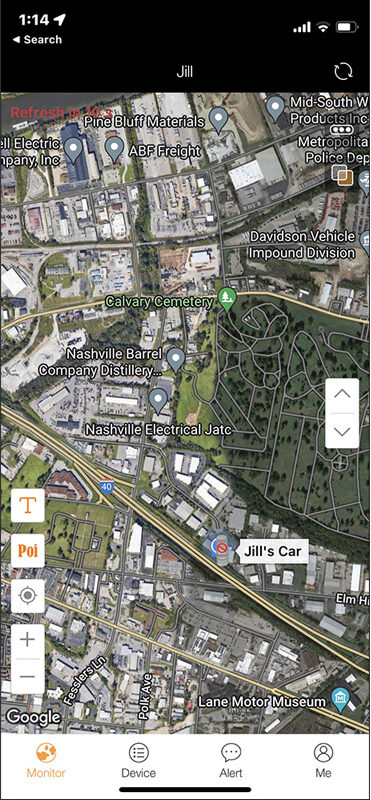
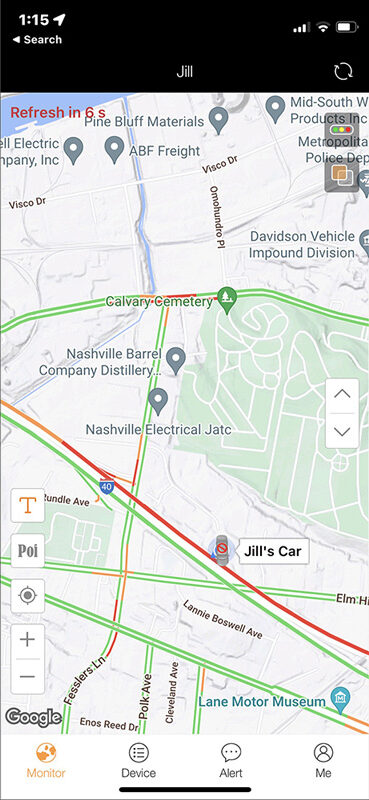
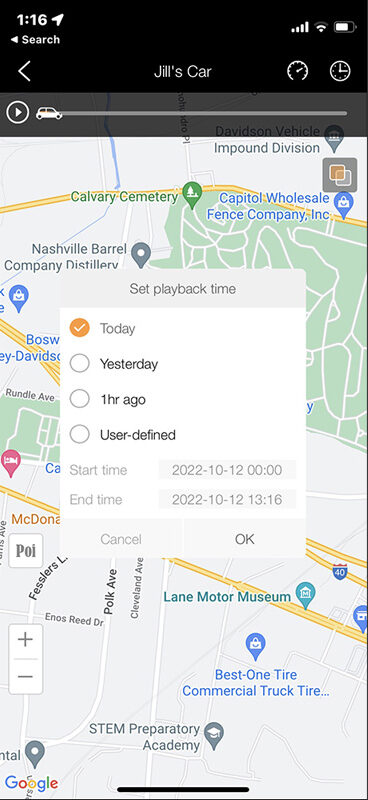
GPS tracking combines positioning technology with a communications pathway that can transmit location information to a remote monitoring platform or system.
GPS determines location.
Cellular connectivity can transmit location data.
The tracking platform or monitoring interface can then provide location visibility, alerts, reporting or historical information where supported.
Different GPS trackers use different reporting methods, connectivity technologies, power architectures and software platforms.
GlobalTrack Pro therefore covers multiple tracking approaches rather than treating every GPS-enabled device as having identical capabilities.
GPS Trackers for Vehicles, Assets & Remote Monitoring
GPS tracking technology serves different operational requirements. Dedicated GPS trackers are designed primarily to determine and report the location of vehicles, assets and equipment, while GPS-enabled remote monitoring devices combine location capability with an additional monitoring function.
International buyers commonly search for GPS trackers, GPS tracking devices, vehicle GPS trackers, GPS asset trackers, long-battery GPS trackers, GPS trackers without monthly fees, geofencing, location alerts, tracking history, fleet visibility and international GPS tracking.
The correct solution depends on what is being tracked, how often location information is required, expected battery life, deployment environment and whether location intelligence must be combined with another monitoring capability.
Dedicated GPS Tracking vs GPS-Enabled Remote Monitoring
| Tracking Requirement | Dedicated GPS Tracking Device | GPS-Enabled Remote Monitoring Device |
|---|---|---|
| Primary Objective | Determine and report the location of a vehicle, asset or equipment. | Combine GPS location capability with another remote monitoring function. |
| Vehicle & Asset Tracking | Core application for dedicated GPS tracking devices. | Possible where the device combines location with another monitoring capability. |
| Location Reporting | Device-dependent reporting intervals, tracking modes and platform functions. | Location capability depends on the device design, network and configured operating mode. |
| Geofencing & Alerts | Available on supported products and platforms. | Depends on the specific device and software platform. |
| Tracking History | Supported on selected GPS tracking systems. | Depends on device platform and reporting architecture. |
| Long-Battery Tracking | Selected products are designed for extended battery-powered tracking and low-power operation. | Battery performance depends on monitoring functions, operating mode and reporting frequency. |
| Remote Audio Monitoring | Not the primary function of a dedicated GPS tracker. | Supported by selected GPS-enabled remote monitoring products. |
| International Deployment | GPS positioning may operate across geographic regions, but cellular connectivity depends on supported networks, bands, SIM and roaming arrangements. | The same cellular compatibility considerations apply, with additional dependence on the remote monitoring architecture. |
| Best Operational Fit | Vehicles, assets, equipment, trailers, fleet visibility and location monitoring. | Situations requiring location capability combined with an additional remote monitoring function. |
What Are You Trying to Track?
Vehicles
Location visibility for cars, commercial vehicles, operational vehicles and other mobile assets.
- Vehicle location
- Movement visibility
- Start, idle and parking events on supported systems
- Location history on supported platforms
Assets & Equipment
Location monitoring for equipment and mobile assets where physical visibility is operationally important.
- Equipment tracking
- Asset location
- Movement reporting
- Long-battery applications
Fleet Visibility
GPS location intelligence can support operational visibility across multiple vehicles and mobile resources.
- Vehicle visibility
- Location monitoring
- Event notifications
- Tracking history where supported
Remote Monitoring
Selected devices combine GPS location capability with another remote monitoring function.
- GPS location
- Remote audio monitoring on supported products
- Compact deployment
- Remote operational access
GPS Tracking Solutions for International Buyers
Vehicle GPS Tracking
- GPS vehicle tracker
- GPS tracking device for vehicles
- Vehicle location monitoring
- Vehicle tracking system
- Fleet GPS tracking
Asset GPS Tracking
- GPS asset tracker
- Equipment tracking
- Long-battery asset tracker
- Trailer and mobile asset tracking
- Remote asset monitoring
Commercial Investigation
- GPS tracker without monthly fee
- Long battery GPS tracker
- GPS tracker with geofencing
- GPS tracker with alerts
- International GPS tracker
GlobalTrack Pro Product Fit
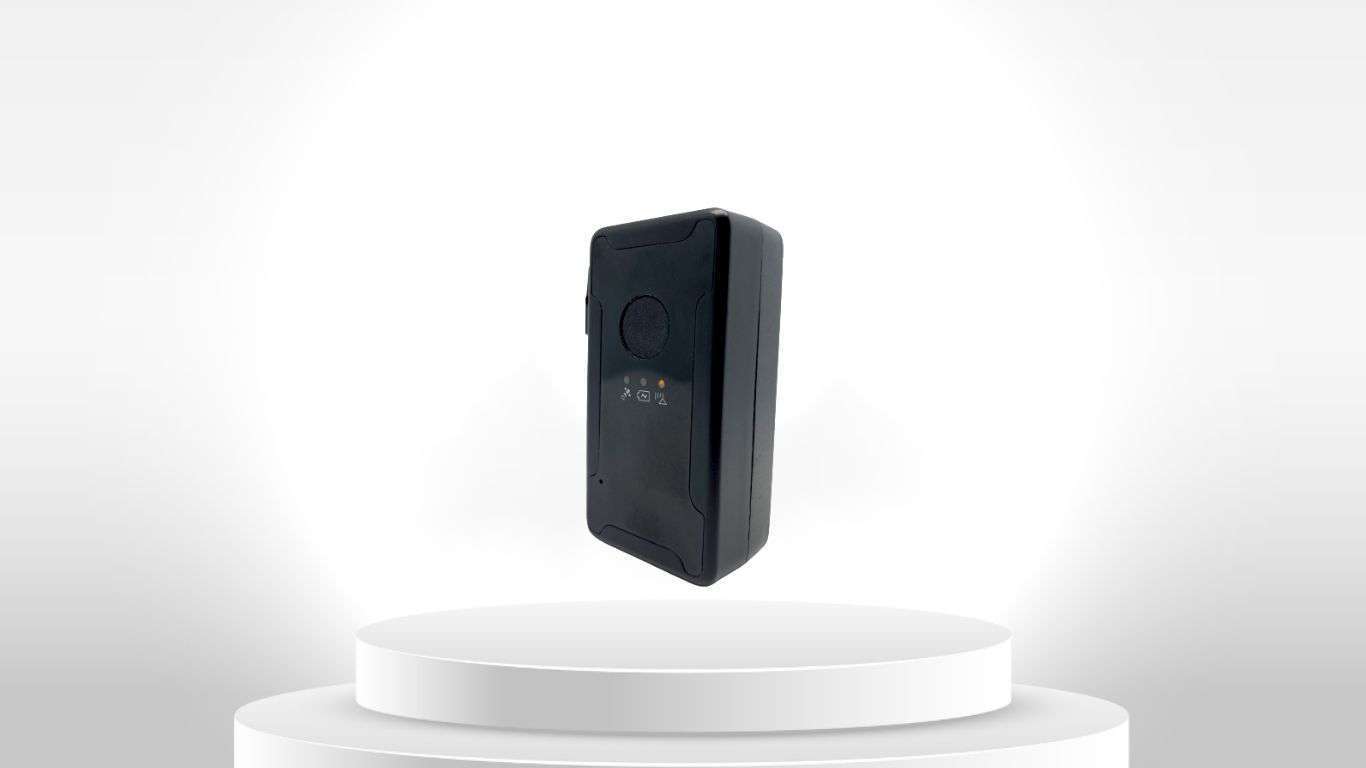
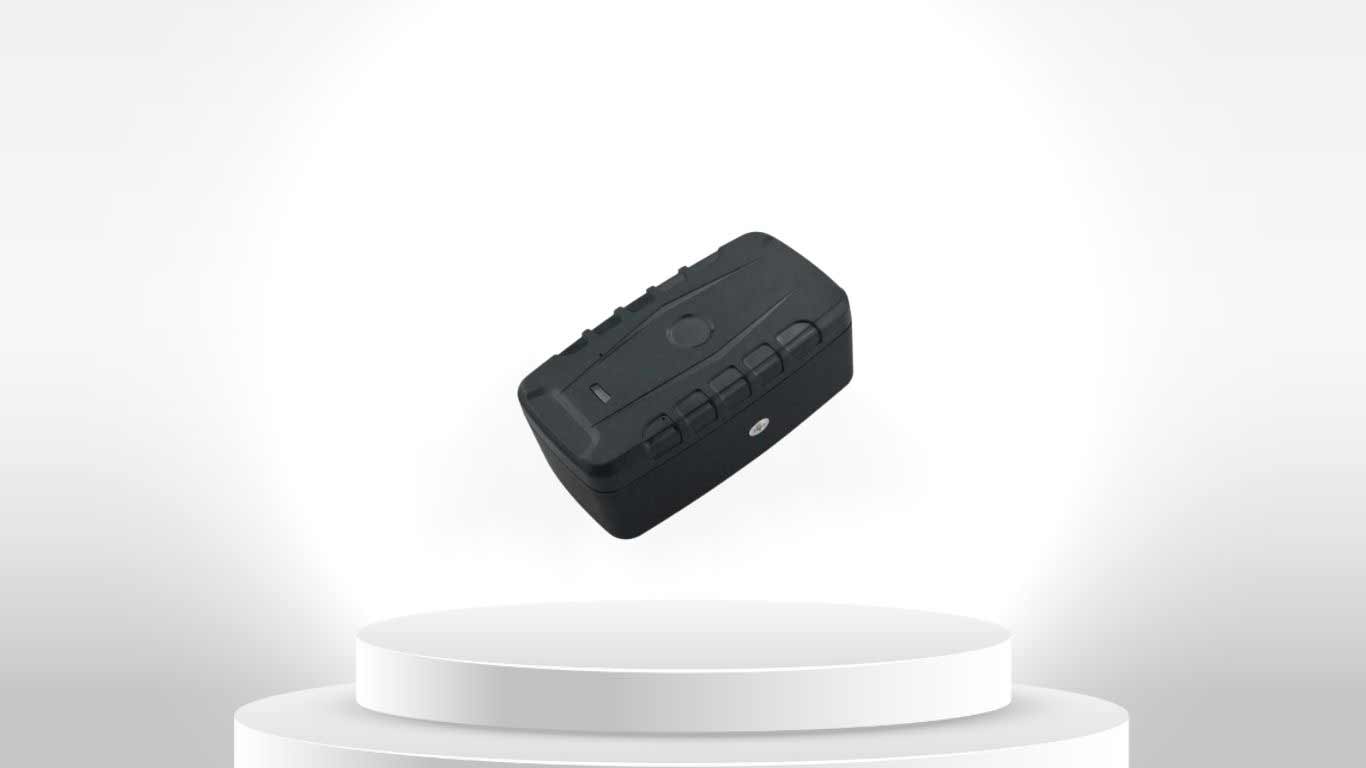
iTrail Endurance GPS Tracker
Dedicated GPS tracking device designed for vehicle and mobile-asset location monitoring with a web-based tracking platform.
- Real-time tracking with Google Maps
- Geofencing
- Vehicle start, idle and park notifications
- Tracking history and report export
- Turn-by-turn directions
- 20,000mAh battery
- IP65 protection
- 4G cellular connectivity
SUB3 No Monthly Fee GPS Tracker
Long-life GPS asset tracker designed for extended location reporting without a conventional monthly subscription model.
- Up to 6-year battery life
- Lifetime SIM included
- LTE-M / NB-IoT / 2G fallback
- Motion-triggered reporting
- Configurable geofence alerts
- Scheduled reporting
- Approximately 5–10m GPS accuracy
- IP68 protection
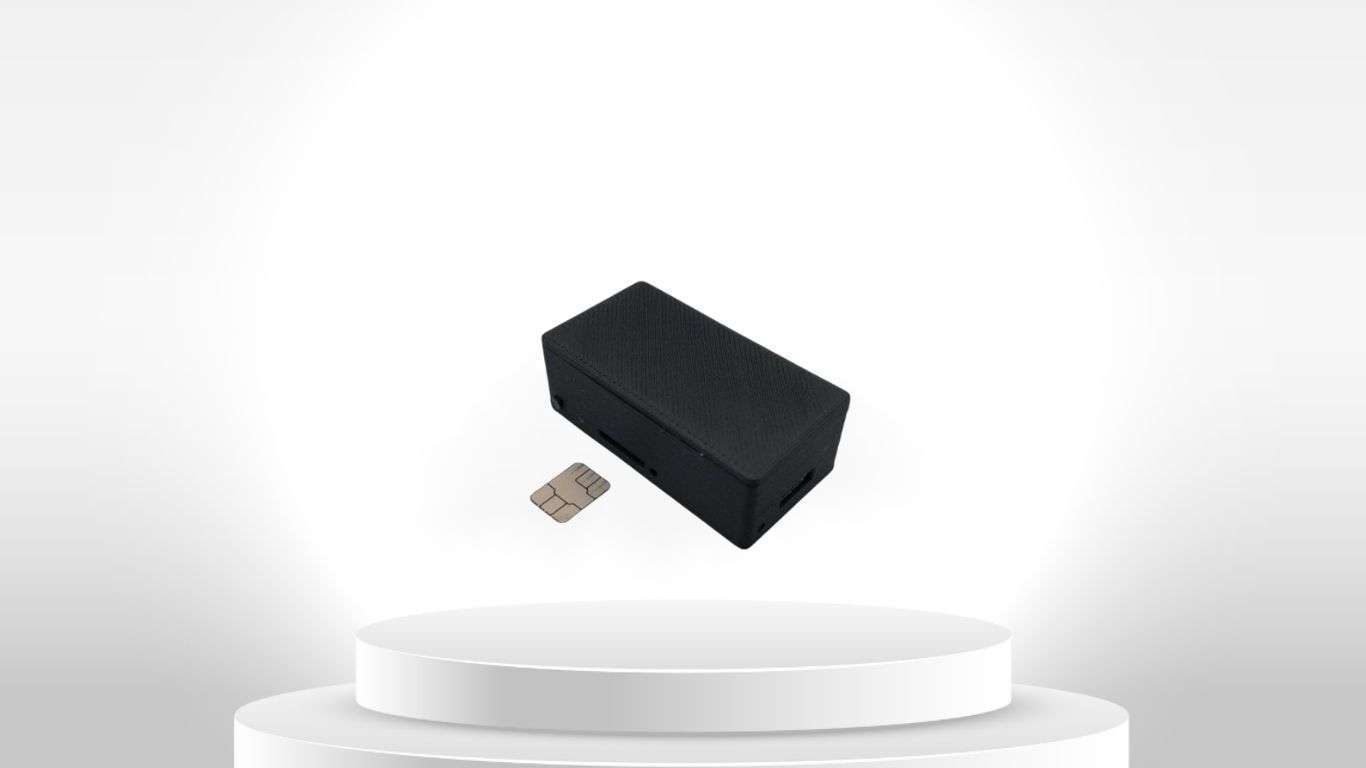
ATOM 1200
GPS-enabled remote monitoring device combining GPS location capability with GSM remote audio monitoring.
- Integrated GPS locator
- GSM remote audio monitoring
- GPS satellite positioning
- Triple microphones
- Sound and vibration alerts
- Nano SIM
- Compact deployment
- Low-power operating modes
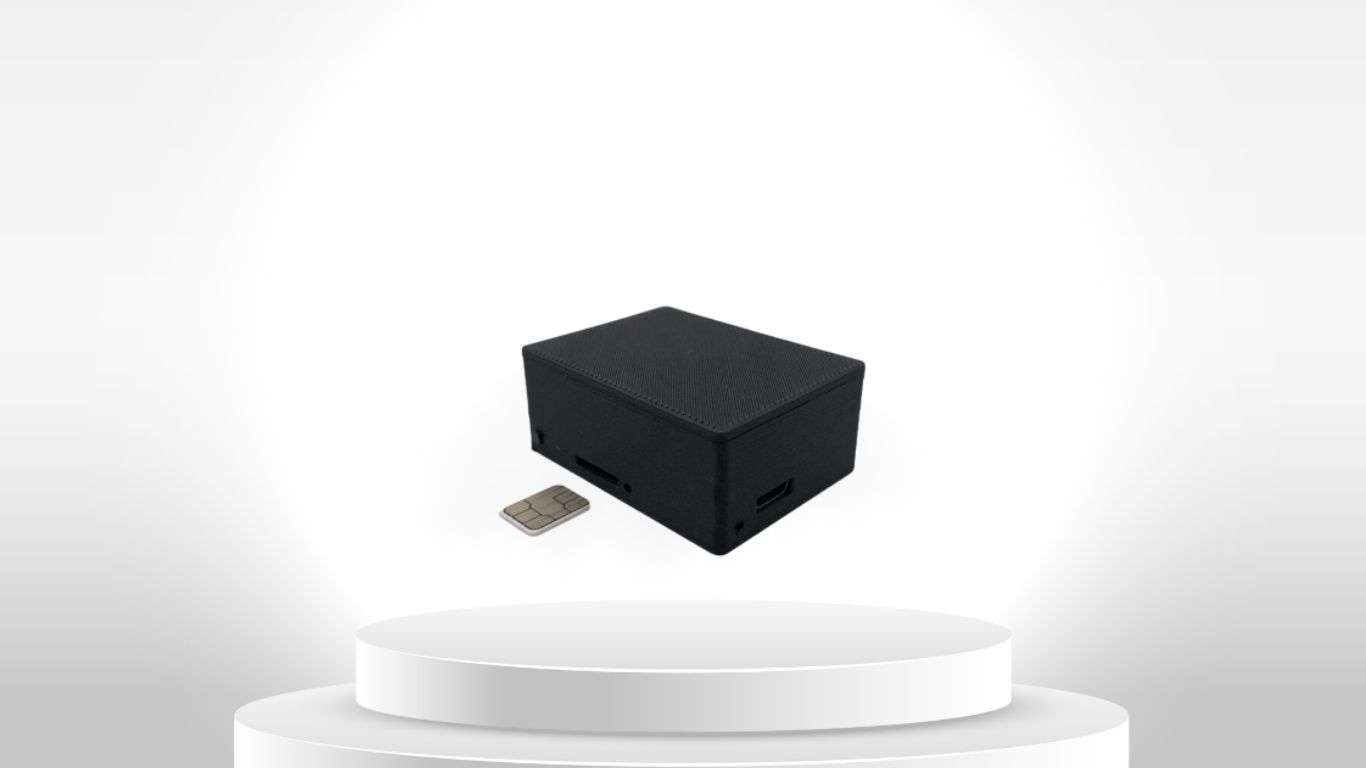
Atom 500 4G
4G GSM device with GPS tracking capability designed for GPS-enabled remote monitoring applications.
- 4G GSM connectivity
- GPS tracking capability
- Remote monitoring function
- Compact device format
- GPS-enabled operational use
Which GPS Tracking Features Matter for Your Mission?
Long-Battery GPS Tracking Without Continuous Live Operation
How to Choose the Right GPS Tracking Technology
Need Dedicated Location Tracking?
Start with dedicated GPS tracking devices designed primarily for vehicle, asset or equipment location monitoring.
Need Location Plus Remote Monitoring?
Consider GPS-enabled remote monitoring devices when location intelligence must be combined with another monitoring function.
International GPS Tracking Requires More Than GPS
GPS Positioning
GPS or GNSS technology determines the geographic position of the device.
Cellular Connectivity
Cellular networks transmit location information to the relevant tracking platform or remote user.
Network Compatibility
Supported bands, LTE technology, SIM arrangements, roaming and local network availability can determine whether tracking works in a specific country.
Frequently Asked GPS Tracking Questions
Select the Right GlobalTrack Pro Solution
Review the available GPS tracking and GPS-enabled remote monitoring technologies based on your operational requirement, deployment environment and connectivity needs.
Remote Monitoring Products Highlights
iTrail Endurance GPS Tracker
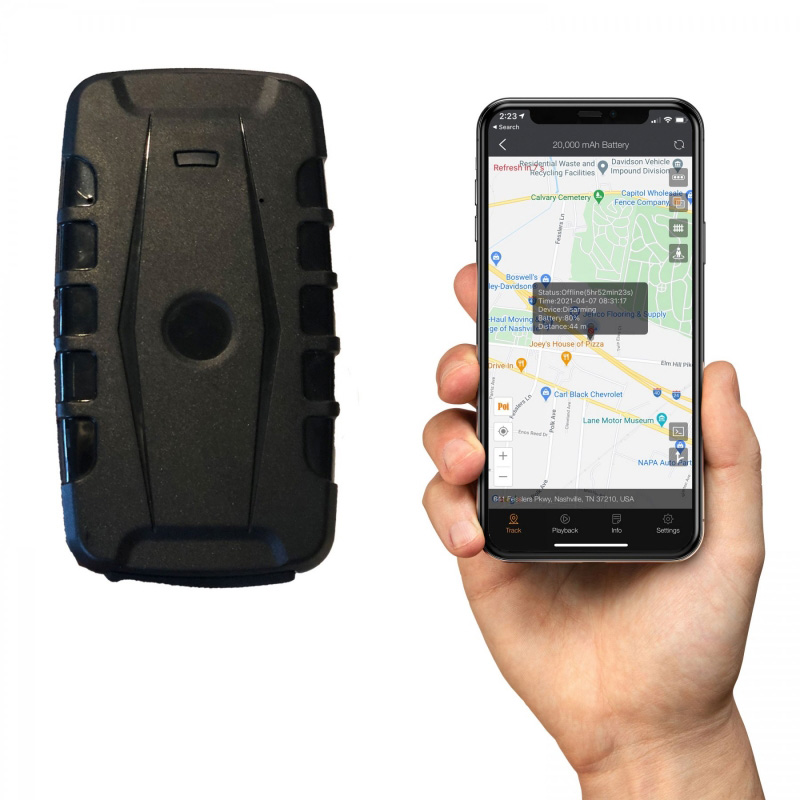
Best fit: Long-battery GPS tracking for vehicles, heavy equipment, trailers, boats, motorcycles and high-value mobile assets.
- Real-time 4G GPS tracking — designed for live vehicle and asset location monitoring through the iTrail tracking platform.
- 20,000mAh high-capacity battery — up to 265 days of standby/tracking capability, depending on tracking configuration and usage.
- Built-in heavy-duty magnets — five integrated magnets with approximately 80 lb total pull, allowing flexible installation on suitable metal surfaces without requiring a separate magnetic case.
- GPS + AGPS positioning — assisted GPS helps improve location acquisition, with the manufacturer listing approximately 16 ft location accuracy.
- Geofencing — create virtual geographic boundaries and receive alerts when the tracked device enters or leaves defined areas.
- Vehicle & asset monitoring alerts — configurable notifications can include vibration, displacement, low battery, power-off and overspeed events.
- Arrival & departure awareness — useful for monitoring vehicle movements, scheduled operations and asset activity.
- Historical route playback — review previous movement and location history rather than relying only on the current position.
- Tracking reports — supports reporting and location-history review through the tracking platform.
- Web-based + mobile tracking — iTrail provides browser-based tracking together with mobile-app access for iOS and Android.
- Location sharing — tracking information can be shared through supported platform functions.
- Auto-sleep capability — helps reduce power consumption when the device is not actively moving.
- IP65 enclosure — designed for outdoor vehicle and equipment deployment with resistance to water and dust exposure.
- Wide operating temperature range — approximately −20°C to +55°C according to the listed specification.
- International deployment option — iTrail states that worldwide plans are available, while the Endurance hardware specification lists North American LTE B2/B4/B12 and WCDMA B2/B5. For deployment outside North America, cellular/network compatibility should therefore be confirmed before purchase.
iTRIAL SOLO
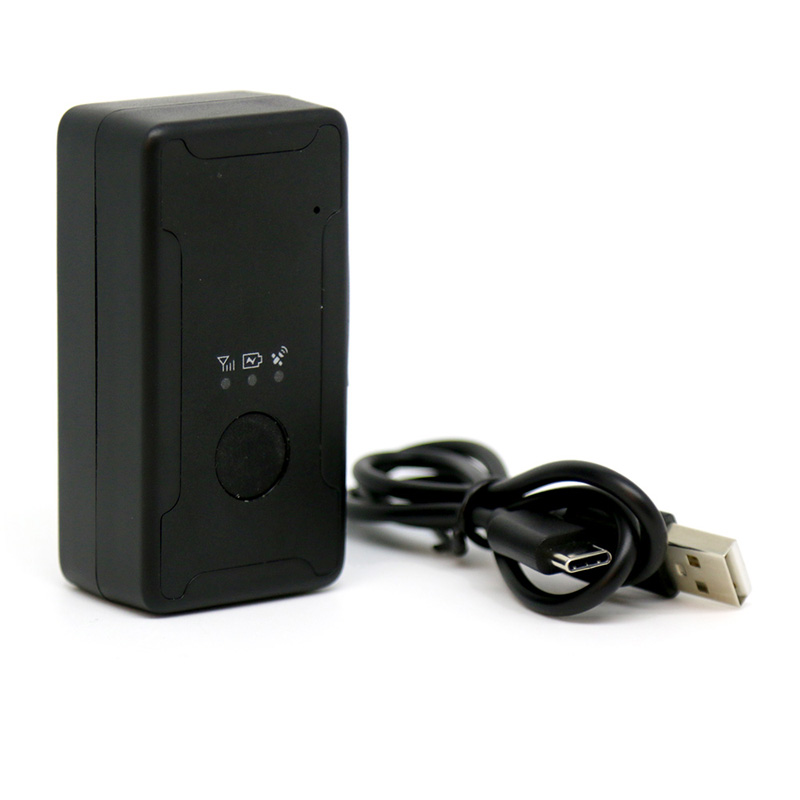
Best fit: Compact personal, vehicle and portable asset GPS tracking where portability, live location visibility and flexible subscription plans are important.
- Compact portable GPS tracker — designed to move between vehicles, bags, backpacks, luggage and other portable assets rather than requiring permanent vehicle installation.
- Longer battery life for a personal tracker — the current Solo 2.0 is rated for up to 30 hours of drive time, according to iTrail.
- Multi-network cellular connectivity — the current iTrail Solo 2.0 is described by iTrail as using 2G, 3G, 4G and 5G cellular networks for tracking coverage.
- Worldwide tracking option — iTrail states that worldwide plans are available for international use, making Solo 2.0 relevant to international GPS tracking requirements. Actual service availability should still be verified for the destination country and network environment.
- Live location tracking — location can be monitored through the iTrail tracking platform and app.
- iTrail mobile app + web platform — the current Solo 2.0 supports tracking through both the iTrail app and web tracking platform, with the manufacturer stating that both provide the same tracking functions.
- Google Maps location display — iTrail’s platform provides map-based location visibility for tracking the device.
- Geofencing — create custom geographic zones and receive alerts when the tracker enters or leaves a defined area.
- Configurable alerts — supports tracking notifications and device-management alerts, including arrival, departure and other configured events.
- Tracking reports — tracking data can be reviewed through reporting functions for monitoring and historical reference.
- Historical tracking — useful when the operational requirement is not only current location but also understanding where a tracked vehicle, person or asset has previously been.
- Built-in magnets — the updated Solo 2.0 incorporates magnets into the device, removing the need for a separate waterproof magnetic case or external extended-battery pack for the standard long-life configuration.
- Portable deployment — suitable for glove compartments, backpacks, suitcases and other locations where a compact tracker is preferable to a permanently installed GPS unit.
- Panic / SOS capability — the Solo product family has included a panic button for emergency-oriented personal tracking applications.
- Battery-saving operation — iTrail’s Solo platform supports power-saving behaviour, helping extend operating time when continuous high-frequency updates are not required.
- No cancellation fee from iTrail — iTrail states that it does not charge a cancellation fee for its tracking subscriptions.
SUB3 GPS Tracker
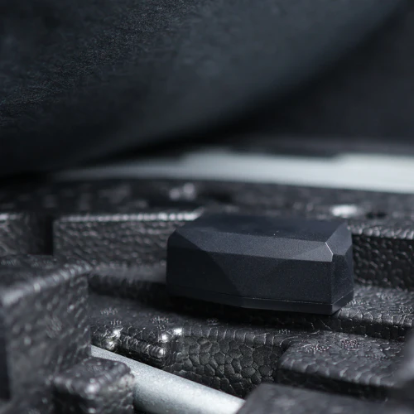
Best fit: Long-term GPS asset tracking where minimizing recurring service costs, maintenance and battery replacement is more important than continuous high-frequency live tracking.
- Up to 6 years of battery life — designed for long-duration asset monitoring with approximately 2,190 location reports.
- No monthly subscription — the device includes a lifetime SIM, eliminating recurring tracking subscription fees.
- Global cellular connectivity — listed support for LTE-M, NB-IoT and 2G fallback, making it suited to international asset-tracking deployments where supported network coverage is available.
- Approximately 5–10m GPS accuracy — suitable for location awareness and asset-position reporting.
- Deep Sleep Mode — minimizes power consumption and allows the device to remain dormant between configured reporting or trigger events.
- Motion-triggered reporting — the tracker can wake and report when movement is detected.
- Scheduled reporting — configure periodic location reports according to the operational requirement.
- Geofence alerts — supports virtual geographic boundaries and location-based notifications.
- Long-life asset tracking — particularly relevant to trailers, equipment, vehicles, containers, mobile assets and other items that may remain stationary for extended periods.
- Compact 92 × 50 × 15 mm design — suitable where installation space is limited.
- Lightweight 70g construction — designed for discreet placement without adding significant weight to the asset.
- Adhesive mounting — non-magnetic installation allows placement where magnetic mounting is unsuitable.
- IP68 protection — designed for demanding outdoor and mobile-asset environments with strong water and dust resistance.
- −20°C to +60°C operating temperature — supports deployment across a broad range of operating environments.
- Subscription-free operating model — particularly attractive for buyers comparing GPS trackers without monthly fees, GPS trackers with lifetime SIM, and long-battery GPS asset trackers.
| Tracker | Subscription Plan | Tracking Update | Service Price | Effective Monthly Cost | Tracking Service & Search Intent |
|---|---|---|---|---|---|
| iTrail Endurance | Month-to-Month | Standard | US$12.99/month | US$12.99 |
Real-time 4G GPS tracking,
configurable alerts and reports,
geofencing and route history.
Search intent: GPS tracker monthly fee, GPS tracker subscription, monthly GPS tracking plan, real-time GPS tracker service. |
| 6-Month Plan | Standard | US$69.99 / 6 months | ≈ US$11.67 |
Standard tracking service with
configurable alerts and reports,
geofencing and route history.
Search intent: 6-month GPS tracker subscription, prepaid GPS tracking plan, vehicle GPS tracking subscription, asset tracking service. |
|
| 12-Month Plan | Standard | US$139.99 / year | ≈ US$11.67 |
Standard tracking service with
configurable alerts and reports,
geofencing and route history.
Search intent: annual GPS tracker subscription, yearly GPS tracking plan, vehicle tracking subscription, fleet and asset monitoring. |
|
| iTrail Solo 2.0 | Month-to-Month | Standard | US$16.99/month | US$16.99 |
Connected GPS tracking service including
location updates, tracking data, geofencing,
alerts, reports, web tracking, mobile tracking
and historical tracking functions.
Search intent: small GPS tracker subscription, portable GPS tracker monthly plan, personal GPS tracker, vehicle GPS tracker, real-time GPS tracker. |
| 3-Month Plan | Standard | US$44.97 / quarter | US$14.99 |
Standard connected tracking service with
location updates, tracking data, geofencing,
alerts, reports, web and mobile tracking,
and historical tracking.
Search intent: 3-month GPS tracker subscription, portable GPS tracking plan, GPS tracker with geofencing, GPS tracker with alerts. |
|
| 6-Month Plan | Standard | US$77.95 / 6 months | ≈ US$12.99 |
Standard connected tracking service with
location updates, tracking data, geofencing,
alerts, reports, web and mobile tracking,
and historical tracking.
Search intent: 6-month GPS tracker subscription, long-term GPS tracking, compact GPS tracking device, asset and vehicle tracking. |
|
| 12-Month Plan | Standard | US$139.99 / year | ≈ US$11.67 |
Standard connected tracking service with
location updates, tracking data, geofencing,
alerts, reports, web and mobile tracking,
and historical tracking.
Search intent: annual GPS tracker subscription, yearly GPS tracking service, portable GPS tracker, GPS tracker for vehicles and assets. |
|
| 12-Month 30-Second Plan | 30-second updates | US$299.88 / year | US$24.99 |
Higher-frequency tracking configuration
with 30-second location updates.
Search intent: GPS tracker 30-second updates, high-frequency GPS tracking, real-time vehicle tracking, frequent location updates, advanced GPS monitoring. |
|
Hardware & Tracking Service Are SeparateiTrail GPS trackers are not simply a one-time hardware purchase. The device and the connected tracking service are separate components of the purchasing decision. The subscription provides access to the cellular-connected tracking platform and associated tracking functions. Current iTrail purchase information lists a US$0 activation fee for the subscription plans shown above. Commercial search intent: GPS tracker subscription cost, GPS tracker monthly fee, GPS tracking service price, GPS tracker activation fee, GPS tracker with subscription, GPS tracker total cost. |
|||||
What the iTrail Subscription CoversThe connected tracking service can provide functions including location updates, tracking data, geofencing, alerts, reports, web tracking, mobile tracking and historical tracking. Depending on the tracker and selected service configuration, update frequency and available functions can differ. The subscription should therefore be evaluated together with the specific iTrail hardware model. Search intent: GPS tracker with app, GPS tracker with web tracking, GPS tracker with geofencing, GPS tracker with alerts, GPS tracker with reports, GPS tracker with historical tracking, GPS tracker location history, mobile GPS tracking. |
|||||
International GPS Tracking & Network AvailabilityiTrail describes its current tracking architecture as using cellular connectivity with roaming and network switching for international coverage on applicable services. However, international service availability should always be verified for the specific tracker model, destination country, cellular technology and service plan before purchase. GPS positioning and cellular network availability are separate considerations. A tracker may have GPS positioning capability while its cellular connectivity remains dependent on supported networks, bands, roaming arrangements and local infrastructure. International search intent: international GPS tracker, worldwide GPS tracker, global GPS tracking, international vehicle tracker, worldwide asset tracking, multi-network GPS tracker, GPS tracker for international travel, GPS tracker with global coverage. |
|||||
Choosing Between iTrail Endurance & Solo 2.0iTrail Endurance is positioned for connected vehicle and asset tracking where a larger, long-endurance tracker and its associated service plans are appropriate. iTrail Solo 2.0 is the more compact, portable option for personal, vehicle, luggage and other mobile asset tracking applications. For the Solo 2.0, the 30-second update plan provides a higher-frequency tracking configuration at a higher subscription cost than the standard plans. Decision search intent: best GPS tracker for vehicles, small GPS tracker, portable GPS tracker, personal GPS tracker, GPS tracker for luggage, GPS tracker for assets, long-term GPS tracking, real-time GPS tracking device. |
|||||

◆Transparent Pricing & Secure Payment via Stripe✓FINAL PRICE: The price displayed is the final amount payable to Archthetic.✓WORLDWIDE SHIPPING INCLUDED — including remote-area delivery charges.✓NO SURPRISE CHARGES — no additional shipping or handling fees are added at checkout.⚠IMPORT TAXES: Import duties, customs fees, VAT, and other destination-country taxes are not included and may apply under local regulations.✓SECURE PAYMENT VIA STRIPE — pay securely by Credit Card, Bank Transfer, or International Invoice.
GPS Tracking & Asset Monitoring - Purchase Options
Dedicated GPS Tracking Device

GPS-Enabled Remote Monitoring Device
Buying Guides for International GPS Tracker FAQ
International GPS & Cellular Network Compatibility FAQ
International GPS & Cellular Network Compatibility
GPS trackers combine satellite positioning with cellular connectivity. Understanding the difference between GPS/GNSS reception, LTE frequency bands, cellular technologies, SIM or eSIM service, roaming and local network availability is essential when selecting a GPS tracker for international deployment.
GPS, GNSS & Cellular Connectivity
Does GPS work the same way in every country?
GPS/GNSS receivers determine geographic position by receiving signals from navigation satellites. The ability to transmit that position to a tracking platform depends on the tracker's cellular modem, SIM or eSIM, supported network technologies, frequency bands, roaming arrangements and network availability.
What is the difference between GPS frequency and LTE frequency?
A GPS tracker may receive satellite navigation signals such as GPS L1/L2/L5 or signals from other GNSS constellations, while its cellular modem uses LTE bands such as B1, B3, B7, B8, B20 or B28 to transmit tracking information.
Therefore, a search for a "GPS tracker frequency" may refer either to the satellite positioning receiver or the cellular communication system.
Does a GPS tracker need cellular service?
Depending on the product, this may use cellular networks such as LTE, LTE-M, NB-IoT or another supported mobile technology. A GPS receiver alone can calculate position but does not automatically provide remote tracking over the internet.
LTE Bands & International Frequency Compatibility
What LTE bands are commonly used by GPS trackers internationally?
The actual bands required depend on the destination country, operator, cellular technology and device modem.
LTE Band 3 at 1800 MHz is particularly significant globally, but supporting B3 alone does not make a tracker universally compatible.
Is LTE Band 3 enough for an international GPS tracker?
Band 3 is one of the world's most widely deployed LTE bands, but international compatibility normally depends on a combination of multiple supported bands.
A device intended for broad international deployment may need combinations of low-, mid- and region-specific LTE bands depending on where it will operate.
Why do GPS tracker LTE bands matter when buying internationally?
If the tracker does not support the relevant bands used by available networks in the destination market, GPS positioning may still function while remote transmission of location data may fail or become unreliable.
Country compatibility should therefore be evaluated at the cellular-network level, not only by the label "4G GPS tracker."
Country & Regional GPS Tracker Compatibility
Which LTE bands are important in Europe?
Europe should therefore not be treated as one identical cellular network. A GPS tracker intended for Germany, France, Italy, Spain, the UK or another European market should be checked against the relevant local networks.
| Region | Relevant LTE Band Families | International Deployment Consideration |
|---|---|---|
| Europe | B1 / B3 / B7 / B8 / B20 / B28 | Multi-band compatibility is generally more useful than relying on a single LTE band. |
| UK | B1 / B3 / B7 / B8 / B20 / B28 and others | Verify current operator and network compatibility for the deployment location. |
| France | B1 / B3 / B7 / B8 / B20 / B28 and others | Multiple mobile frequency allocations are used across French networks. |
Which LTE bands are important in North America?
Depending on the operator and country, relevant bands can include combinations of B2, B4, B5, B12, B13, B14, B17, B25, B26, B41 and other regional bands.
This is why a GPS tracker designed specifically for the United States, Canada and Mexico should not automatically be assumed to work throughout Europe or Asia.
What should buyers check before using a GPS tracker in Japan?
Depending on network and deployment, Japanese LTE environments can involve B1, B3, B8, B18, B19, B26, B28, B40 and B41.
Buyers should verify the exact tracker modem and supported bands against the Japanese network and SIM/service intended for deployment.
What should buyers check before using a GPS tracker in China?
Depending on operator and technology, relevant LTE ranges can include combinations around 850/900, 1800, 2100, 2300 and 2600 MHz, among others.
International buyers should verify the tracker's exact supported bands and the intended Chinese network or service arrangement rather than relying only on a generic "4G compatible" specification.
What should buyers check before using a GPS tracker in India?
Because operator coverage and spectrum assignments can vary, buyers should verify the exact network and band requirements for the intended deployment.
Which cellular technologies matter for GPS trackers in Southeast Asia?
Markets including Thailand, Singapore, Malaysia, Indonesia, Vietnam and the Philippines can differ in spectrum, operators, coverage and IoT network availability.
LTE-M and NB-IoT are particularly relevant to connected asset tracking and IoT applications in markets where those services are commercially deployed.
LTE-M, NB-IoT & IoT GPS Tracking
What is LTE-M and why is it used for GPS tracking?
It can be relevant to applications such as asset tracking, logistics, fleet monitoring and location-based IoT devices.
Actual suitability depends on network availability, hardware support, SIM/service configuration and the deployment country.
What is NB-IoT and is it suitable for GPS tracking?
It can be useful for certain asset monitoring, logistics and low-data tracking applications, but the appropriate technology depends on the required update frequency, mobility, coverage, power consumption and network support.
Is LTE-M or NB-IoT better for a GPS tracker?
The correct choice depends on the application, required tracking frequency, mobility, network availability, battery strategy, data requirements and geographic deployment.
A tracker intended for frequent movement and location updates may have different requirements from a long-life asset tracker transmitting relatively small amounts of data.
International SIM, Roaming & Network Compatibility
Does a worldwide GPS tracker work automatically in every country?
"Worldwide" or "global" service normally refers to the availability of the connected service or roaming arrangement, but the physical tracker still needs compatible cellular hardware.
International operation can depend on supported LTE bands, cellular technology, SIM/eSIM profile, roaming agreements, operator availability and local network infrastructure.
Why does a GPS tracker need an international SIM or roaming service?
An international SIM or roaming-enabled service can allow a device to connect through supported partner networks when operating outside its home network.
However, roaming does not eliminate the requirement for hardware-level band and technology compatibility.
What should I verify before deploying a GPS tracker internationally?
1. GPS/GNSS capability — confirm the positioning systems supported by the hardware.
2. Cellular technology — LTE, LTE-M, NB-IoT, Cat-1 or other supported technology.
3. LTE frequency bands — compare the device specification against the destination network.
4. SIM/eSIM — determine whether the supplied service supports the destination market.
5. Roaming — verify roaming partners and supported countries.
6. Network availability — confirm that the required network technology is active at the deployment location.
7. Service plan — confirm that the subscription includes the intended country or region.
8. Update requirements — determine whether standard periodic tracking or higher-frequency updates are needed.
GPS Tracker Applications by International Market
What are international GPS trackers commonly used for?
Vehicle tracking — location monitoring, route history and movement alerts.
Fleet management — monitoring vehicles and operational assets across defined territories.
Asset tracking — monitoring equipment, trailers, containers and other mobile assets.
Logistics — tracking mobile assets during transportation and distribution.
Personal and portable tracking — compact trackers for approved personal or mobile applications.
International deployments — tracking applications requiring connectivity across multiple countries, subject to network and service compatibility.
Can one GPS tracker be suitable for vehicles and assets in different countries?
A suitable international device may support multiple LTE bands, appropriate cellular IoT technologies and an international SIM or roaming service.
International capability should be verified rather than assumed from the product name.
International GPS Tracker Selection & Buyer Decision Guide
What is the best GPS tracker for international use?
The correct device depends on the countries of deployment, cellular bands, cellular technology, SIM/roaming arrangement, required tracking frequency, battery requirements, physical environment and tracking application.
For international purchasing, evaluate the complete connectivity architecture rather than selecting a device based only on price, GPS accuracy or the phrase "worldwide coverage."
Is a 4G GPS tracker automatically better for international use?
"4G" identifies a broad generation of cellular connectivity, but does not specify every frequency band, network category or international roaming capability.
For international deployment, the more useful technical specification is the combination of cellular technology + supported bands + SIM/eSIM + roaming + destination network compatibility.
How can I check whether a GPS tracker will work in my country?
Then compare:
Device LTE bands → destination-country bands → operator compatibility → SIM/eSIM service → roaming availability → actual network coverage.
This is more reliable than searching only for "GPS tracker worldwide."
International Connectivity Principle
What is the most important rule when selecting a GPS tracker for international deployment?
COUNTRY → NETWORK → CELLULAR TECHNOLOGY → LTE BANDS → SIM/eSIM → ROAMING → COVERAGE → TRACKING REQUIREMENT
GPS/GNSS determines position. Cellular connectivity communicates that position. The SIM or eSIM provides network access. Roaming determines whether the service can move between supported networks. LTE bands determine whether the physical modem can communicate with those networks.
A genuinely international GPS-tracking deployment therefore requires the entire connectivity chain to be compatible with the destination market.
Deniz Tekin 🇹🇷Verified
ATOM 1200 is truly impressive, boasting European quality that lives up to its description. I've found it to work exceptionally well in Turkey, fulfilling all the necessary requirements for law enforcement covert operations.
Klaus Sch. 🇩🇪 Verified
Archthetic’s ATOM 1200 devices are top-notch for law enforcement. Their GPS tracking and advanced features work flawlessly, even across borders like Germany to Austria. These devices greatly enhance security measures, making them essential for effective covert operations. Highly recommended for their reliability and advanced technology!