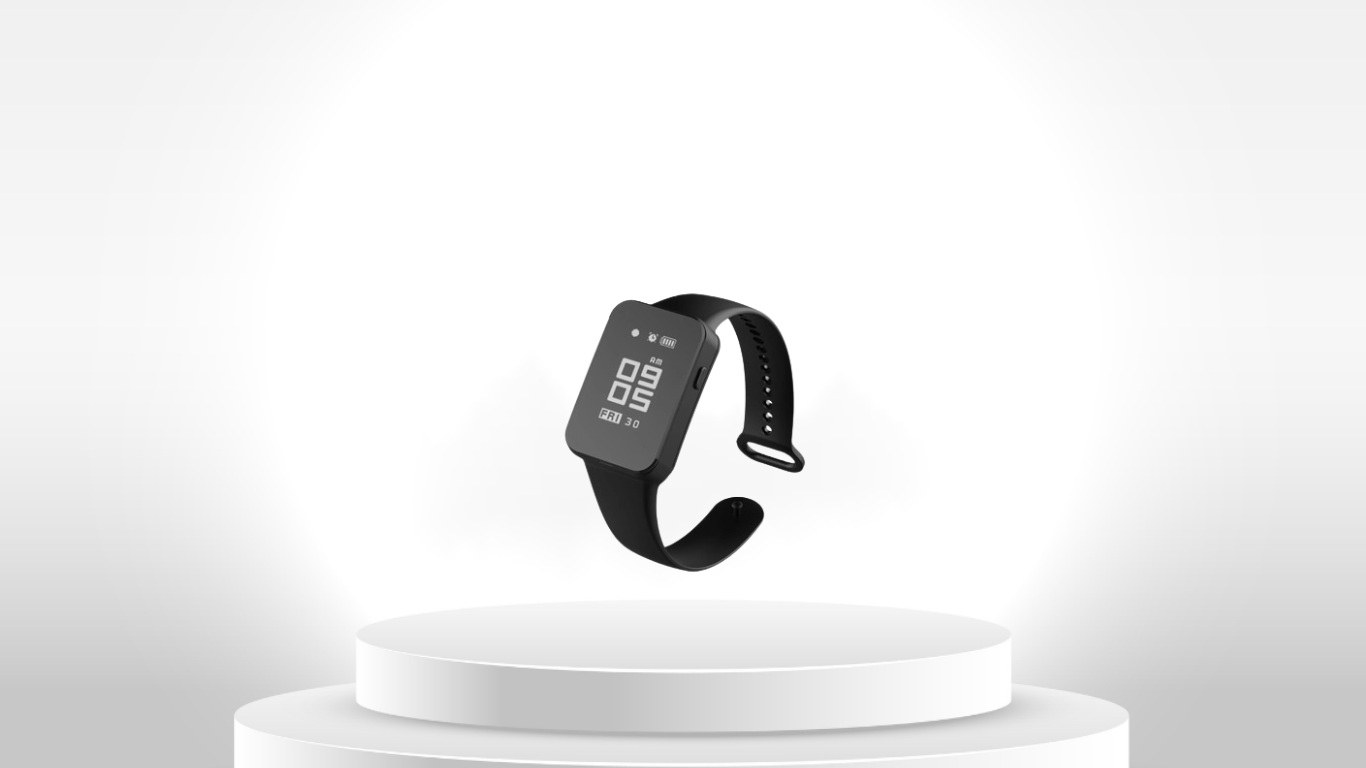
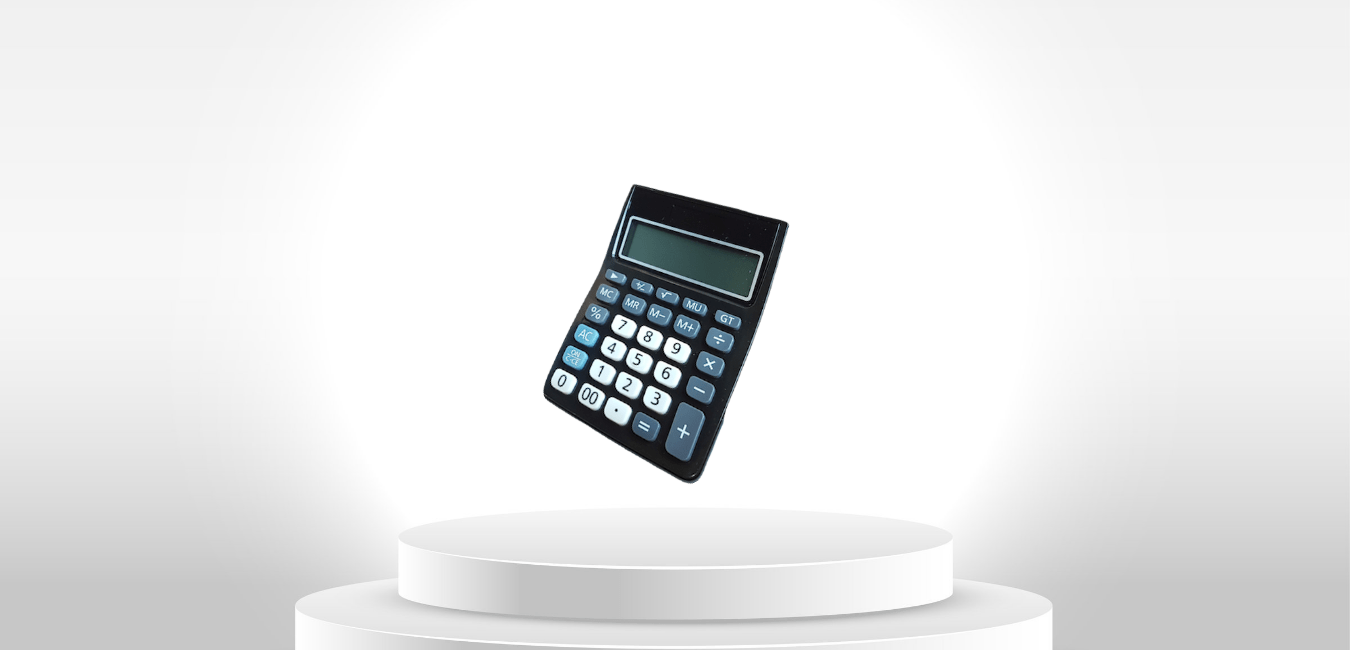
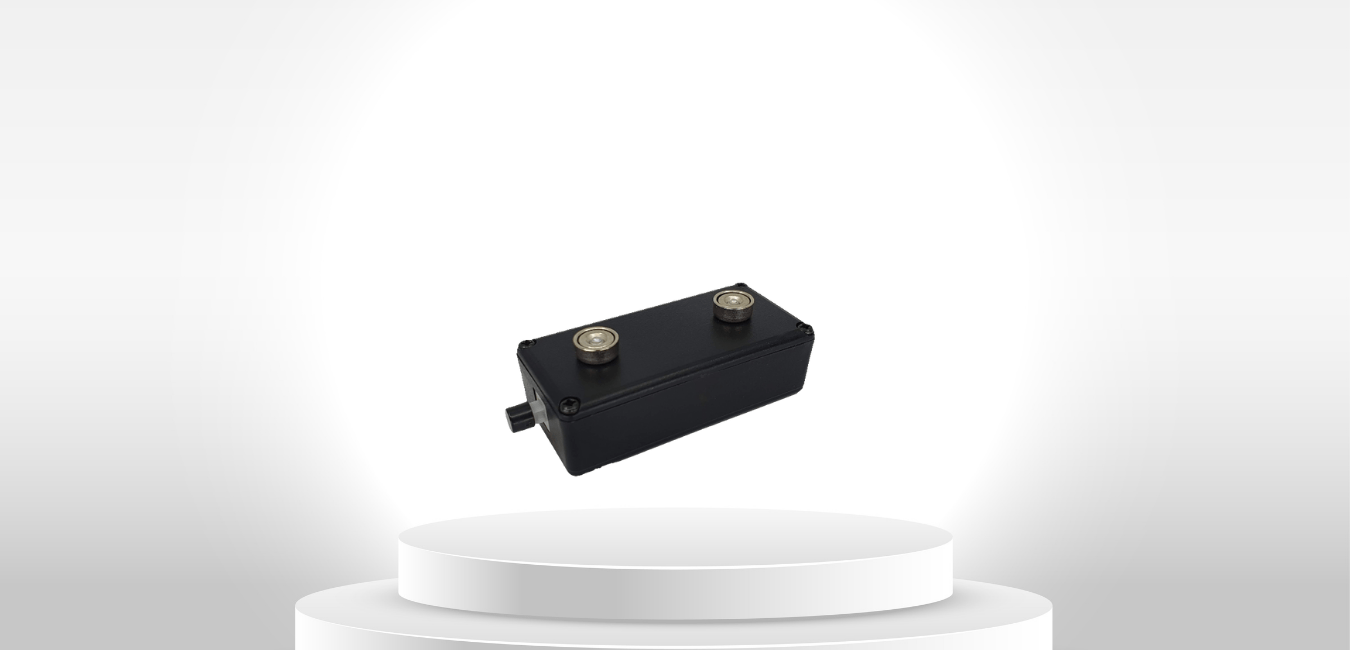
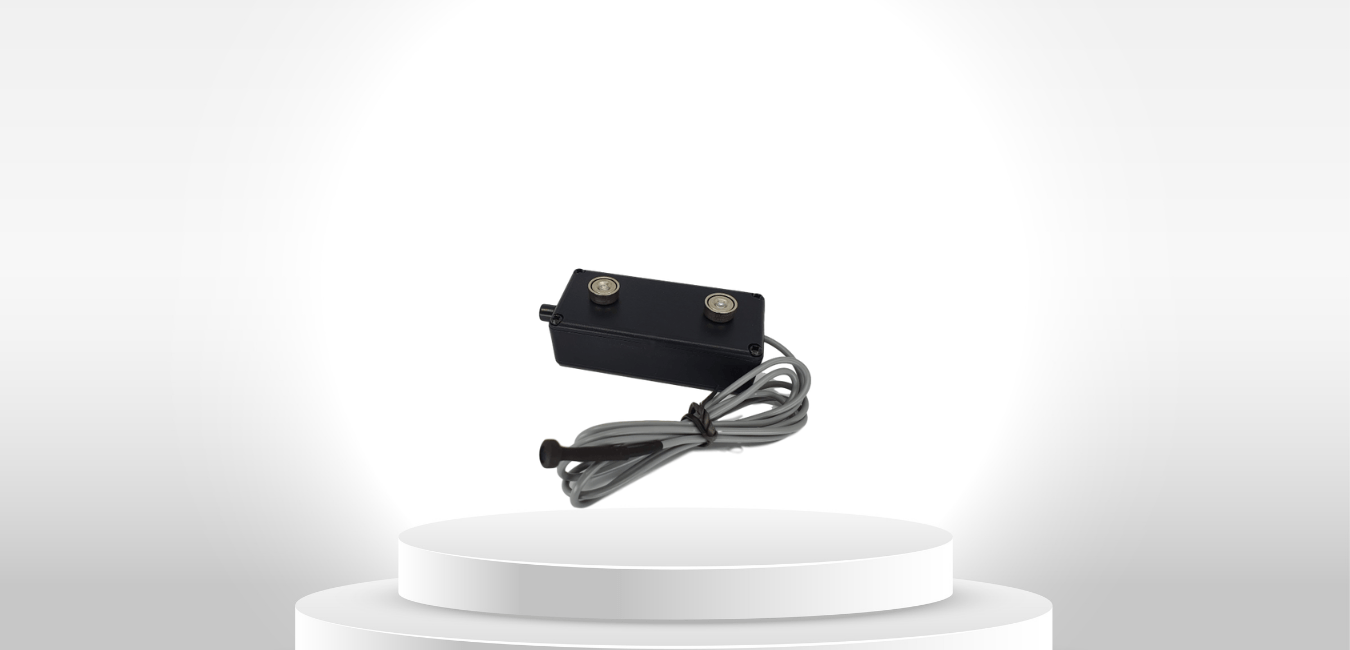
Covert Audio Recorders for Documentation, Investigation & Authorized Recording


Professional Covert Audio Recorders for Documentation, Investigation & Authorized Recording
Professional audio recording technology for authorized documentation, investigations, interviews, field work and evidence-preservation workflows.
Choose the right recording technology based on the recording requirement, operating environment, duration and documentation workflow—not simply the size or concealment of the device.
Discover → Evaluate → Procure → Deploy
Choose the Right Audio Recording Technology
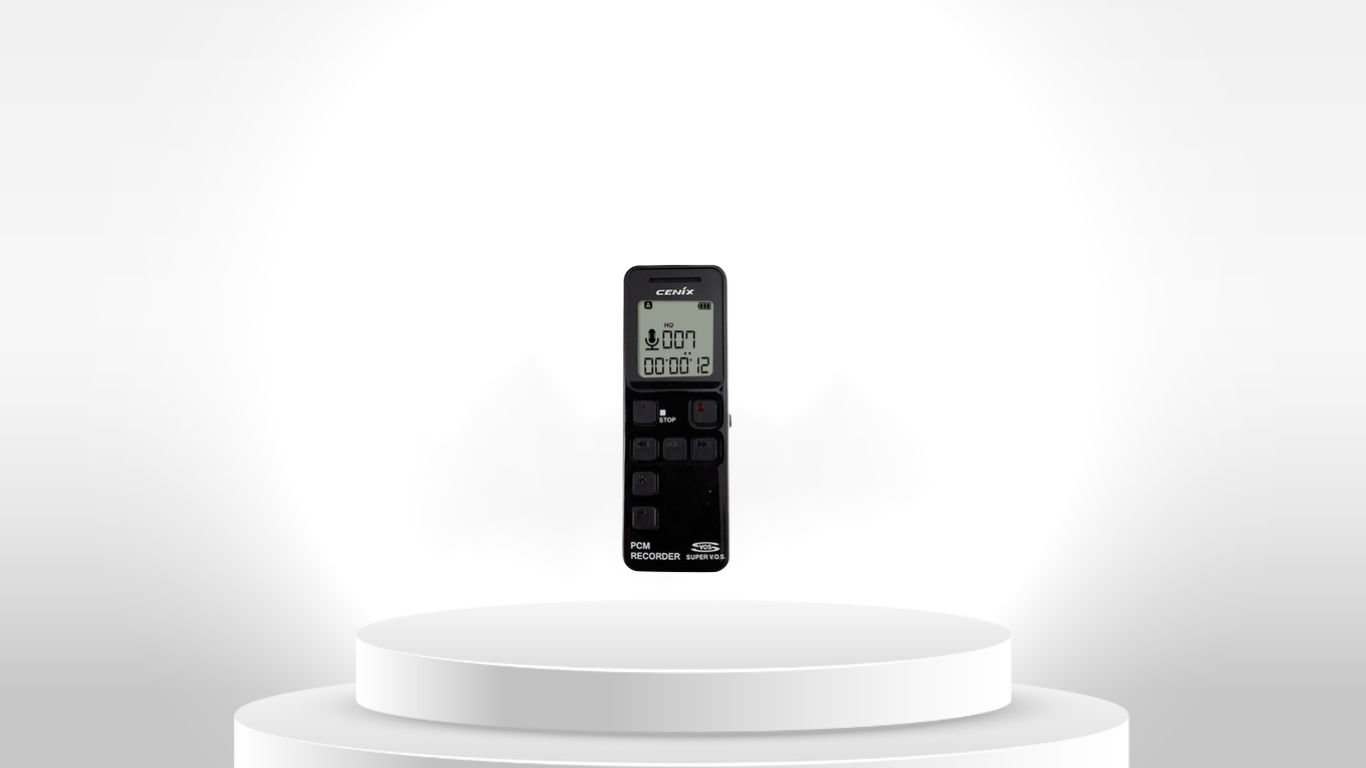
Interview & Evidence Recorders
Authorized interviews, statements, meetings, incident documentation and professional evidence workflows
Key Capabilities
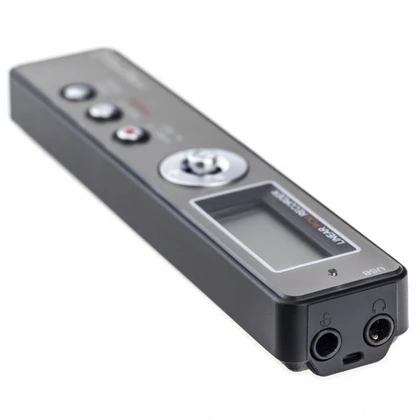
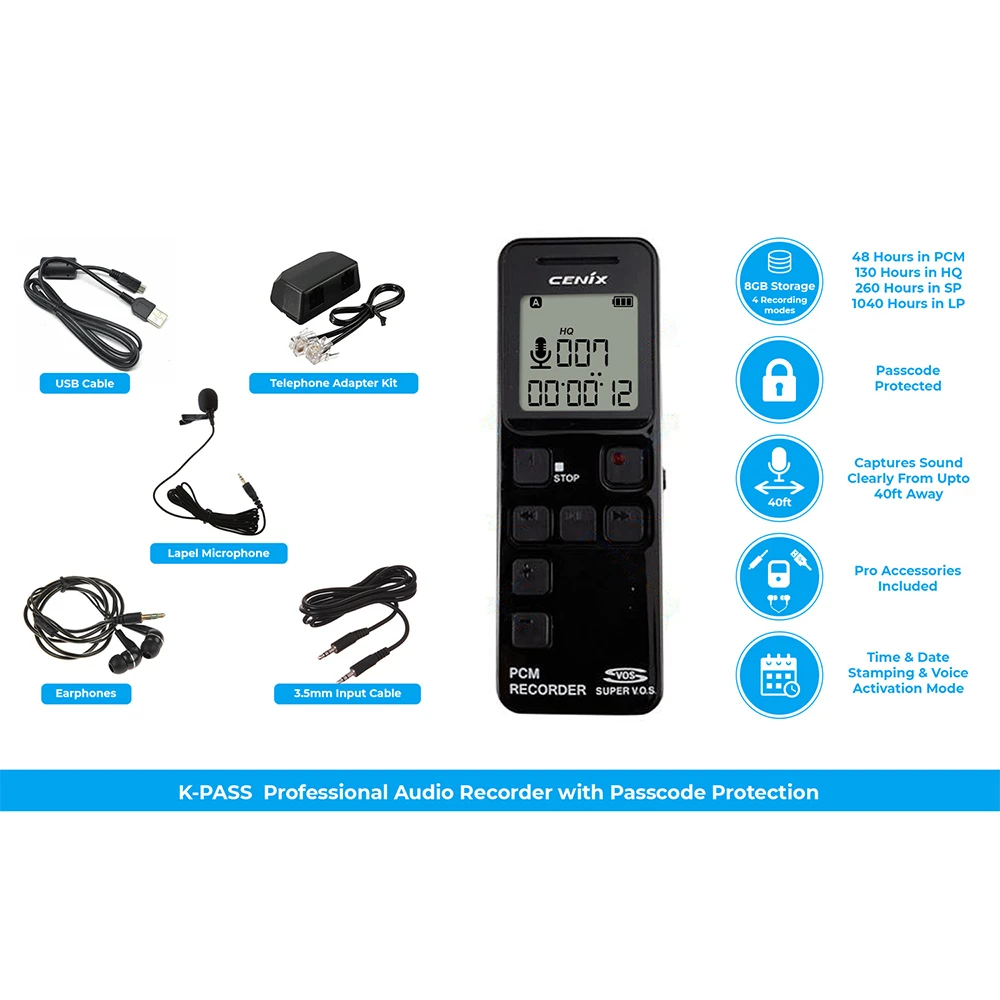
PCM recording, clear speech capture, time/date information, password protection on selected models, local storage and file management
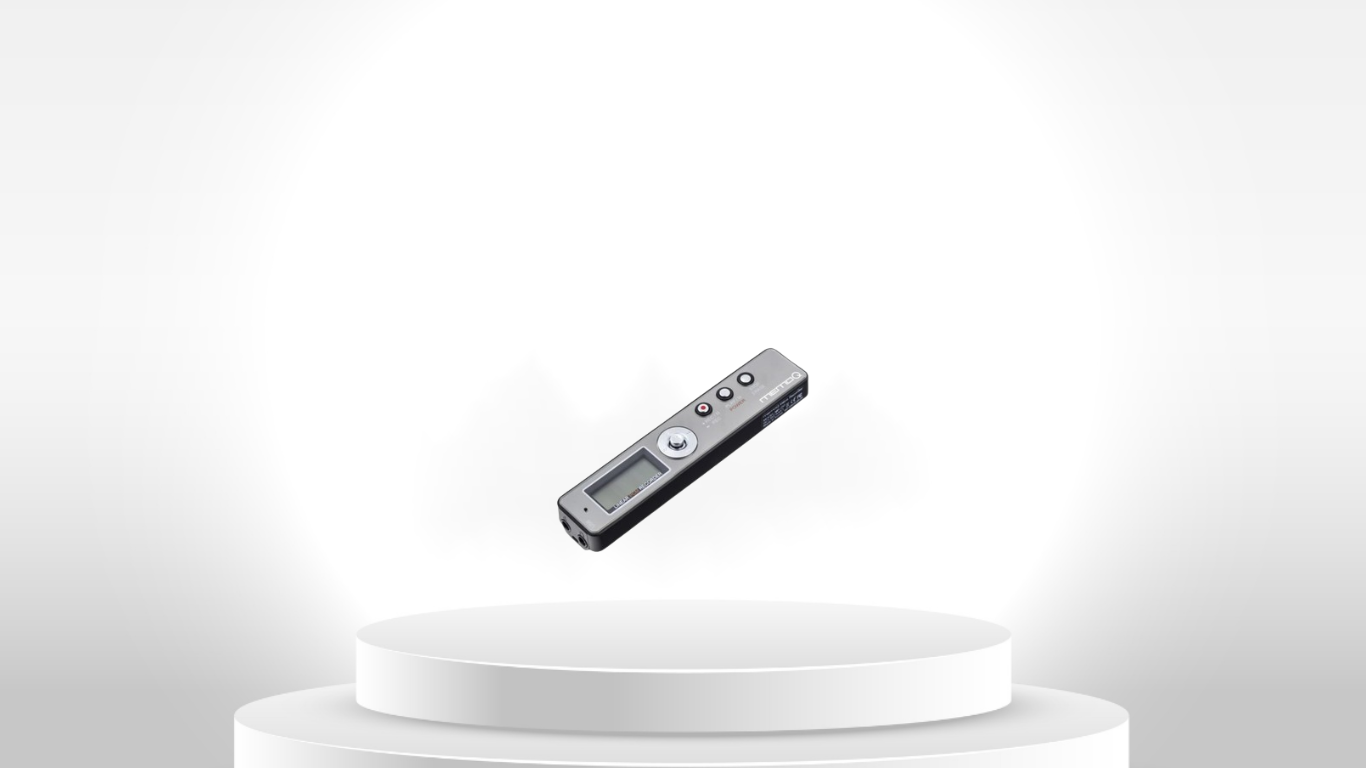
Wearable Audio Recorders
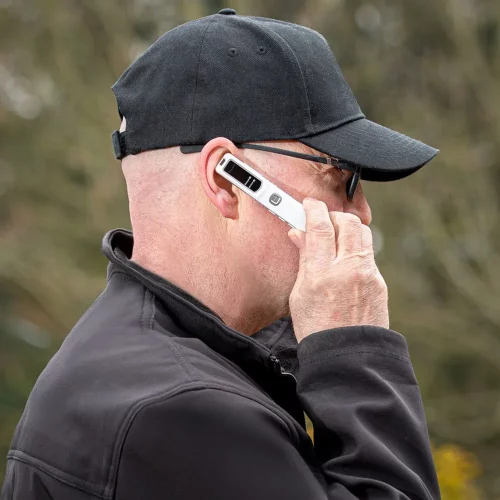
Authorized field documentation, mobile interviews, professional investigations and hands-free recording
Key Capabilities
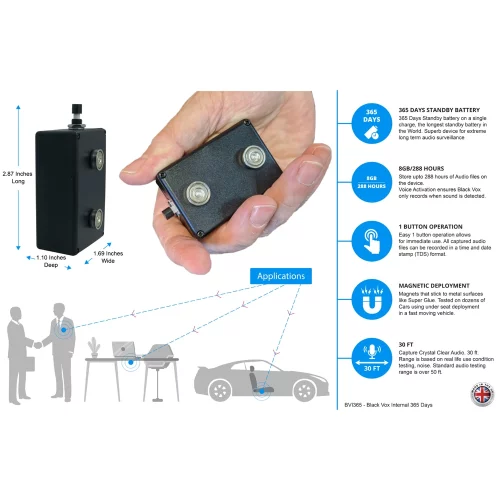
Compact form factors, voice activation, portable operation, local storage and extended recording
Long-Life Audio Recorders
Extended authorized recording, unattended documentation and long-duration professional deployments
Key Capabilities
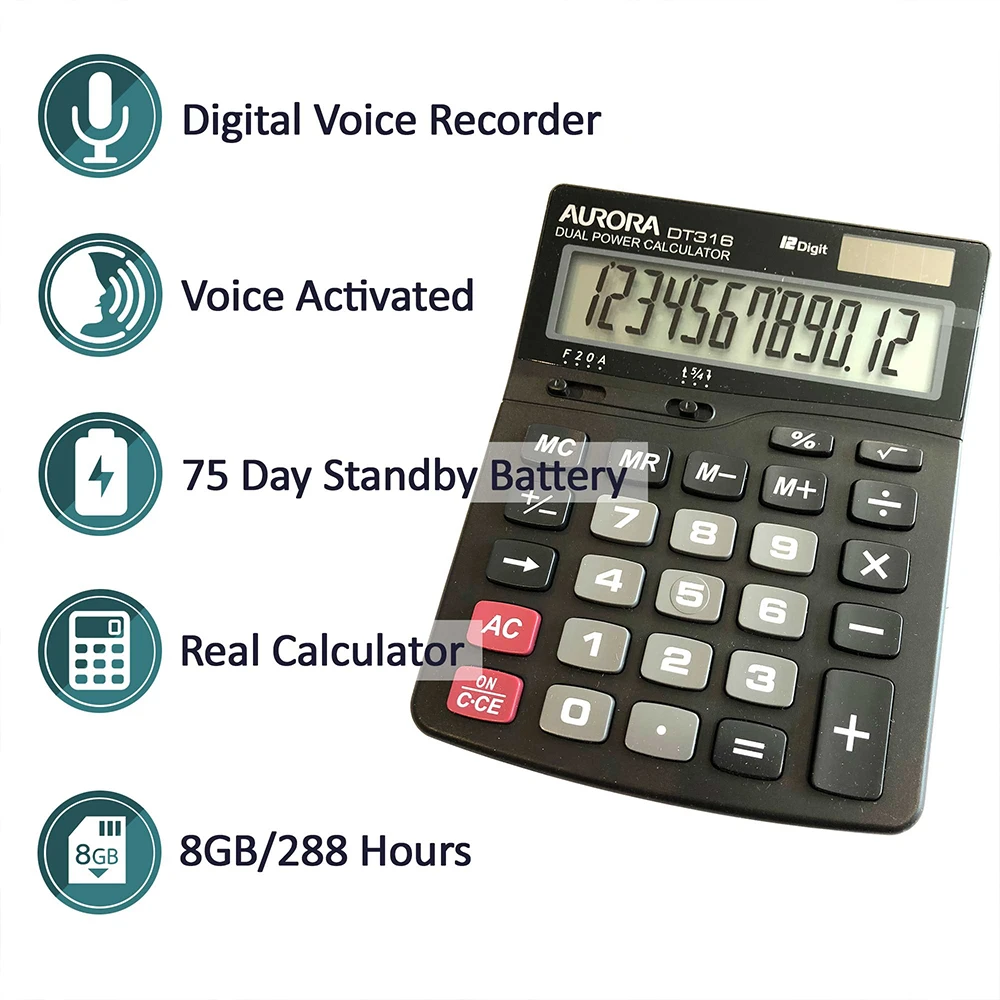
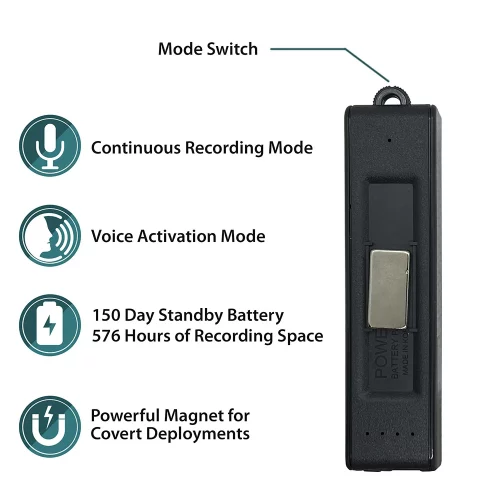
Extended battery life, long standby, continuous recording, voice activation and high-capacity storage
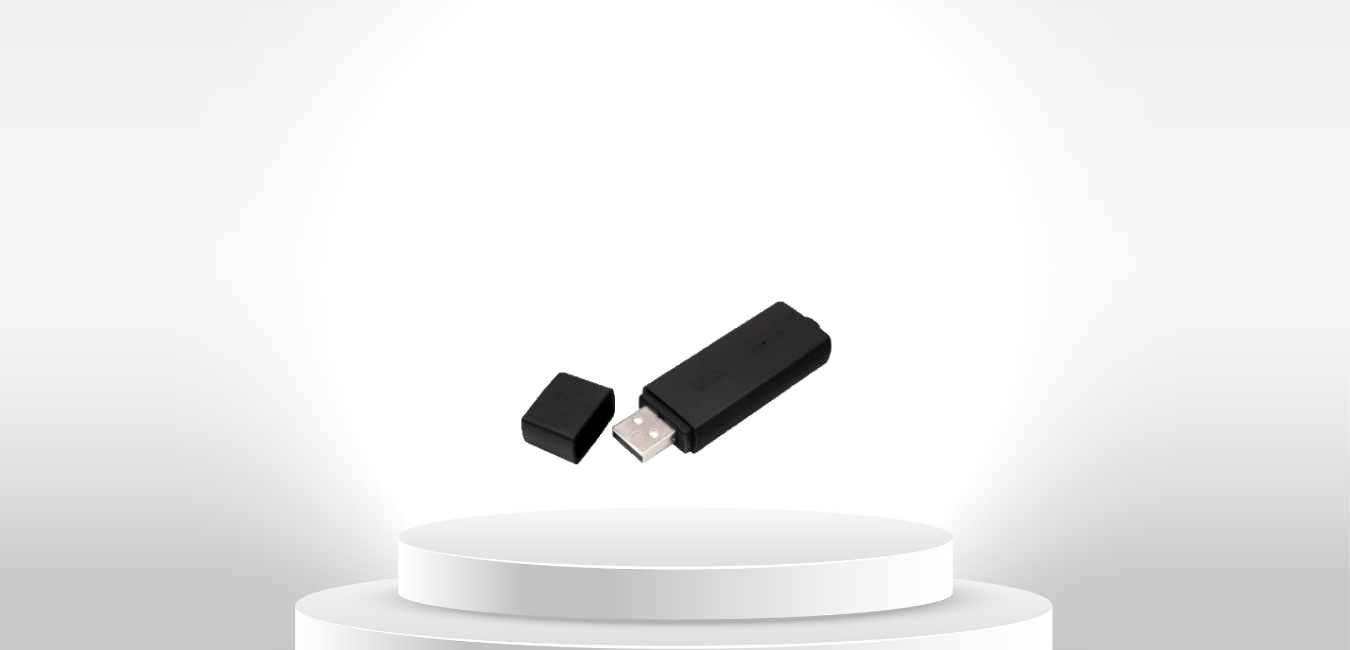
Dual-Function Audio Recorders
Professional users requiring flexible portable, wearable or discreet recording options
Key Capabilities
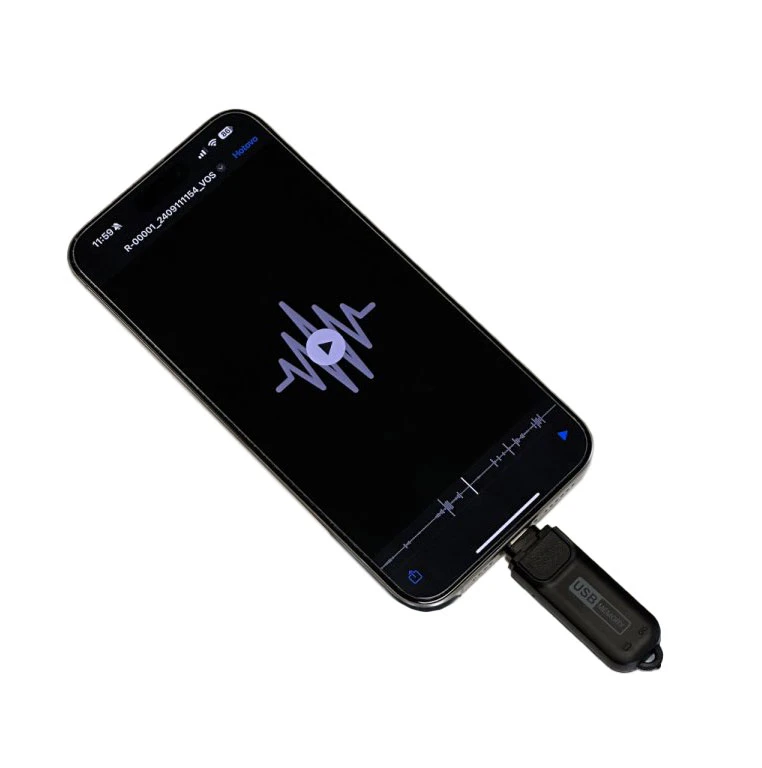
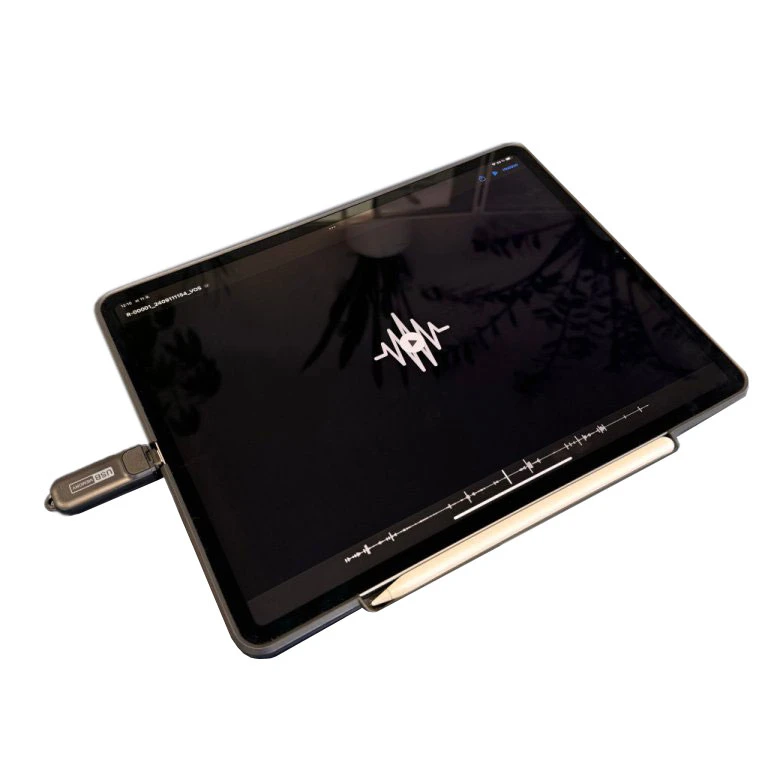
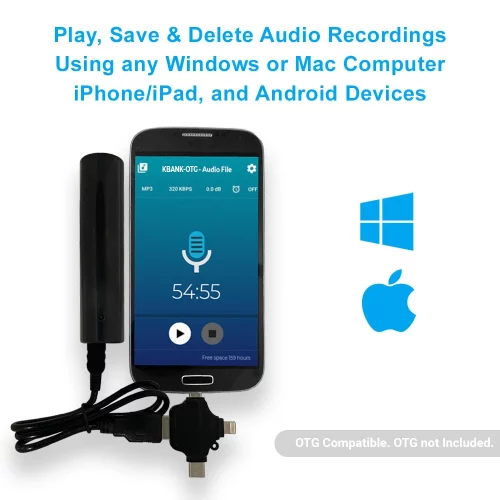
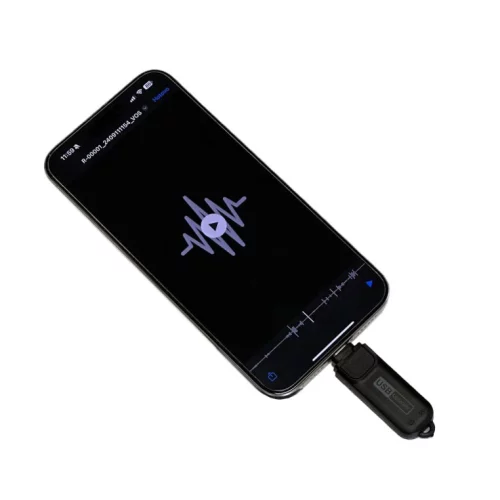
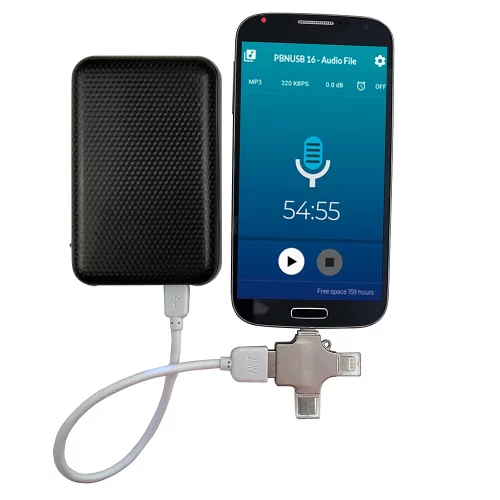
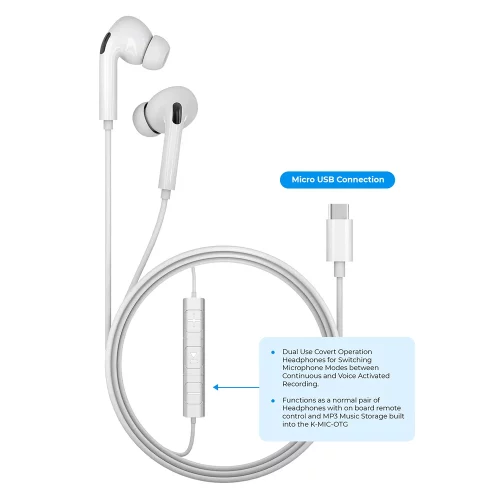
Continuous and sound-activated recording, portable form factors, USB/USB-C or OTG connectivity on selected models
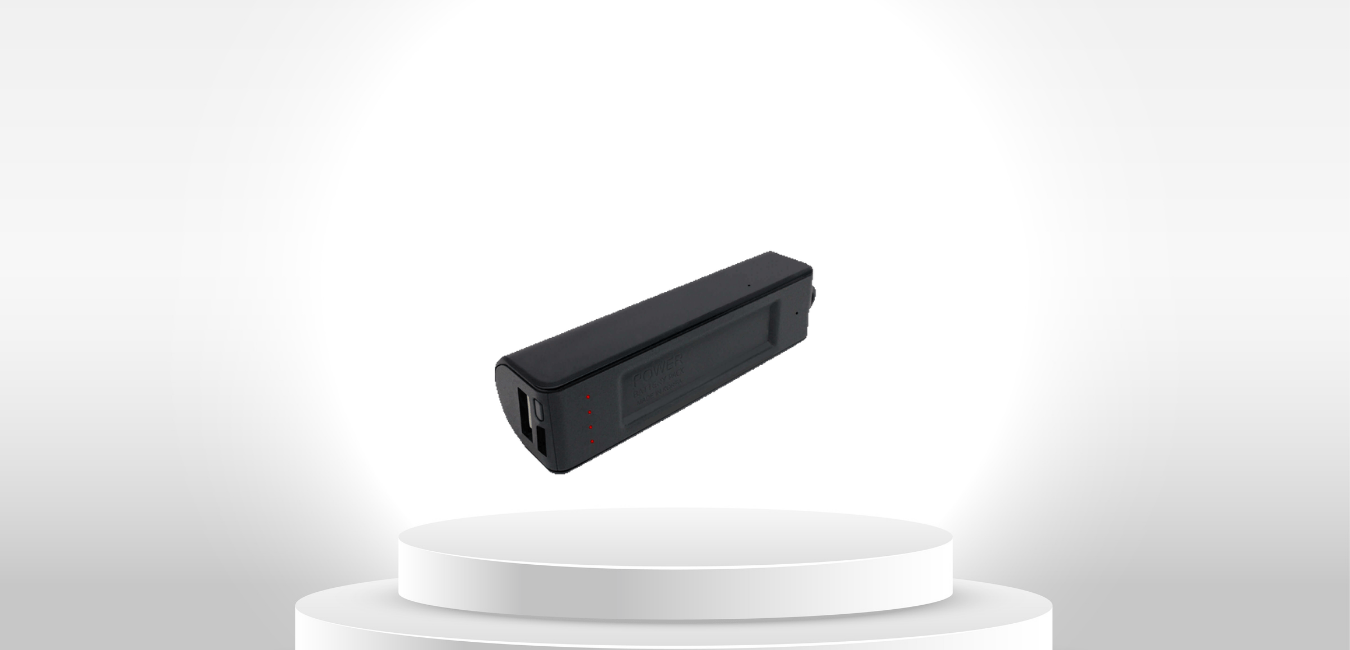
Professional Covert Audio Recorders
Authorized investigative and security applications where discreet deployment is operationally appropriate
Key Capabilities
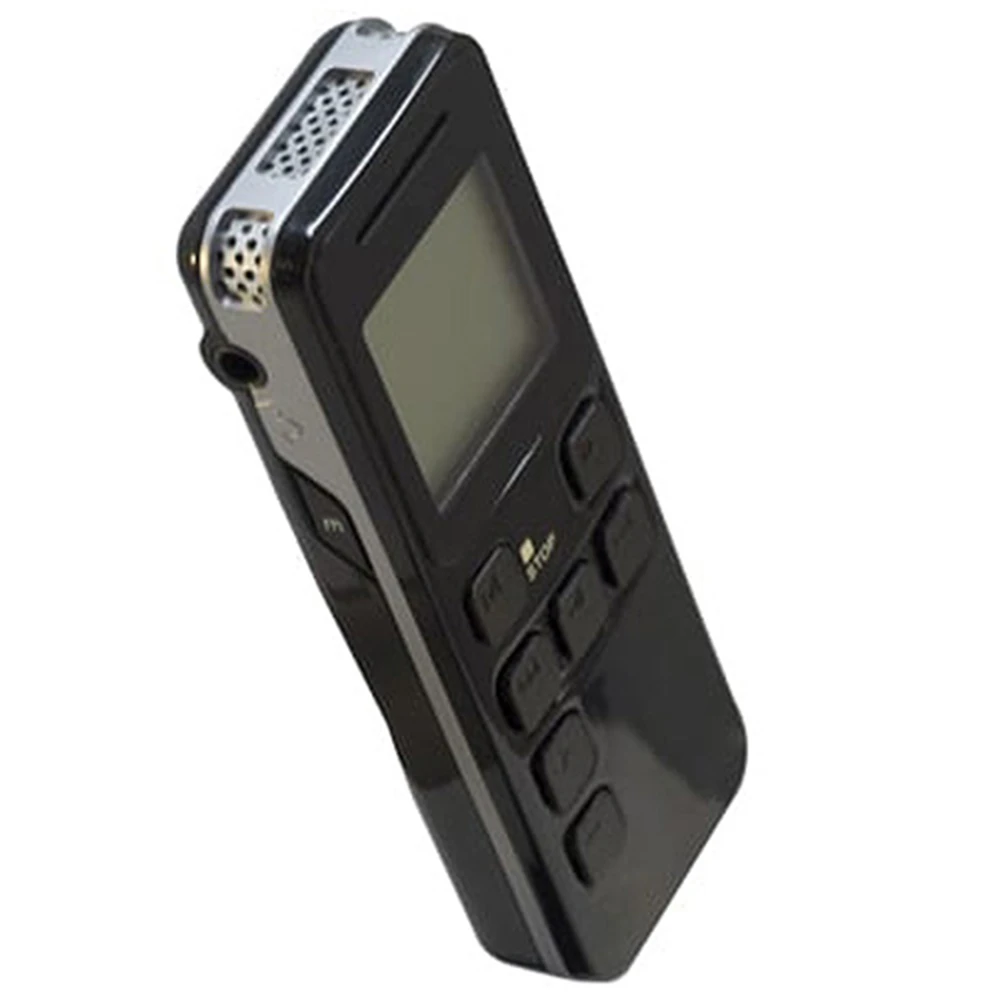
Discreet form factors, adjustable microphone options, voice activation, time/date information and flexible deployment
Professional Audio Recording Kits
Investigation teams, security professionals and multi-scenario field operations
Key Capabilities
Multiple recording formats, accessories, long-duration systems and deployment flexibility
Professional Audio Recording for Serious Documentation
Important: These characteristics can support professional documentation and evidence-preservation workflows, but they do not by themselves make a recording lawful, authentic, admissible or “court approved.” Those questions depend on the applicable law, authorization, circumstances and how the recording and associated files are handled.


Clear and intelligible audio capture
Designed to capture speech clearly enough for interviews, meetings, field documentation and professional review, with microphone and recording characteristics selected for the environment. Professional recorders commonly provide adjustable microphone or recording settings for different situations.


PCM or other appropriate recording formats
PCM/WAV recording can provide higher-fidelity, widely usable audio files for detailed playback, review and downstream processing. The appropriate format depends on the recording objective, storage requirements and workflow.

Time and Date Stamp Recording Information
Time and date information can make recordings easier to organize, locate and associate with a particular recording session. Some professional recording systems also support calendar or timestamp-related file information.


Voice or sound activation
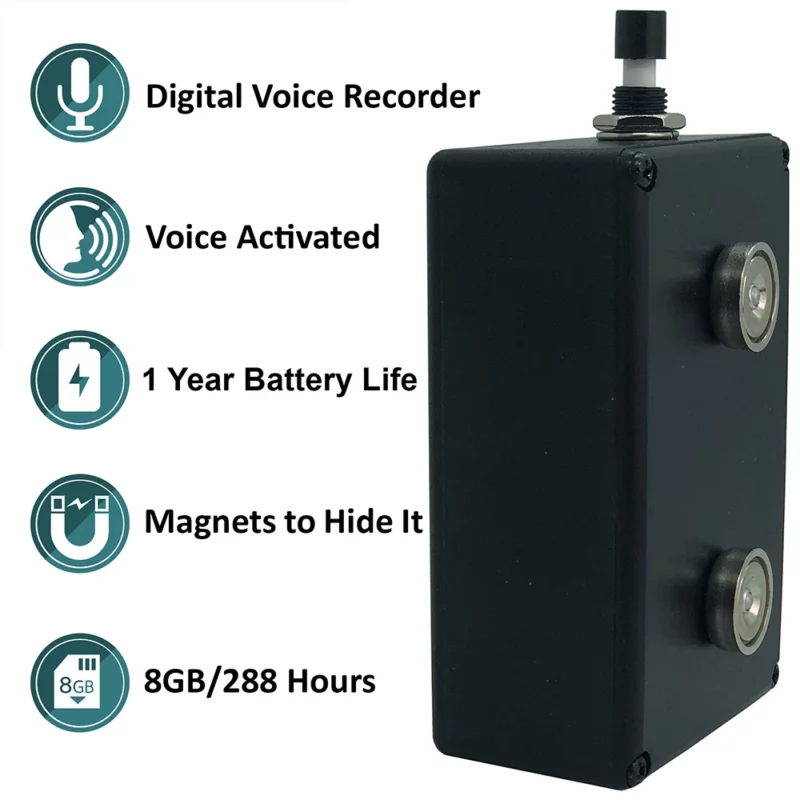
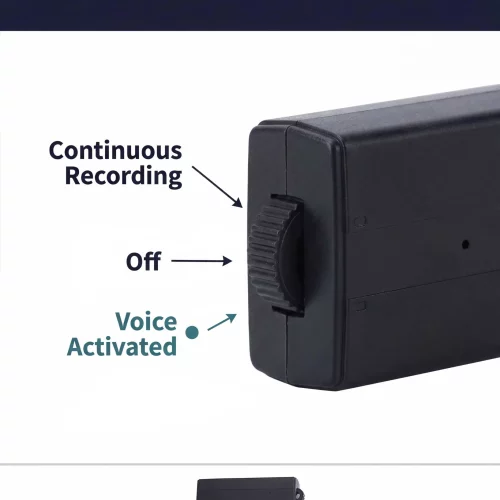
Voice-activated recording can start recording when sound reaches a defined threshold, helping reduce periods of silence and conserve available storage and battery compared with continuous recording in suitable situations.


Long battery life and storage
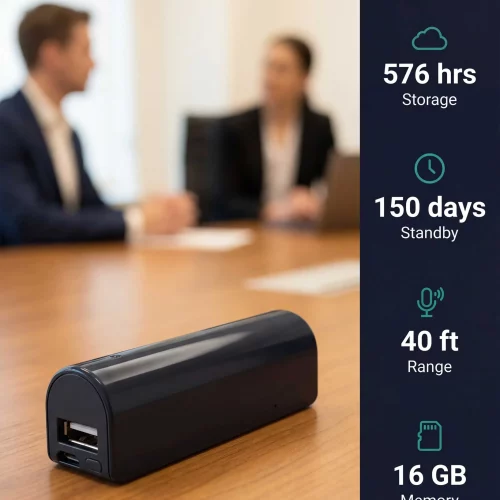
- Extended battery capacity and sufficient internal or expandable storage help support long interviews, extended field work and longer authorized recording sessions without requiring frequent interruption for charging or file management.


Local file creation & retention
Recordings should be created as retrievable files and retained on the device or supported storage medium so they can be reviewed, transferred and preserved as part of the recording workflow. Local storage also provides a practical reference copy before subsequent handling.


Direct file transfer & controlled access
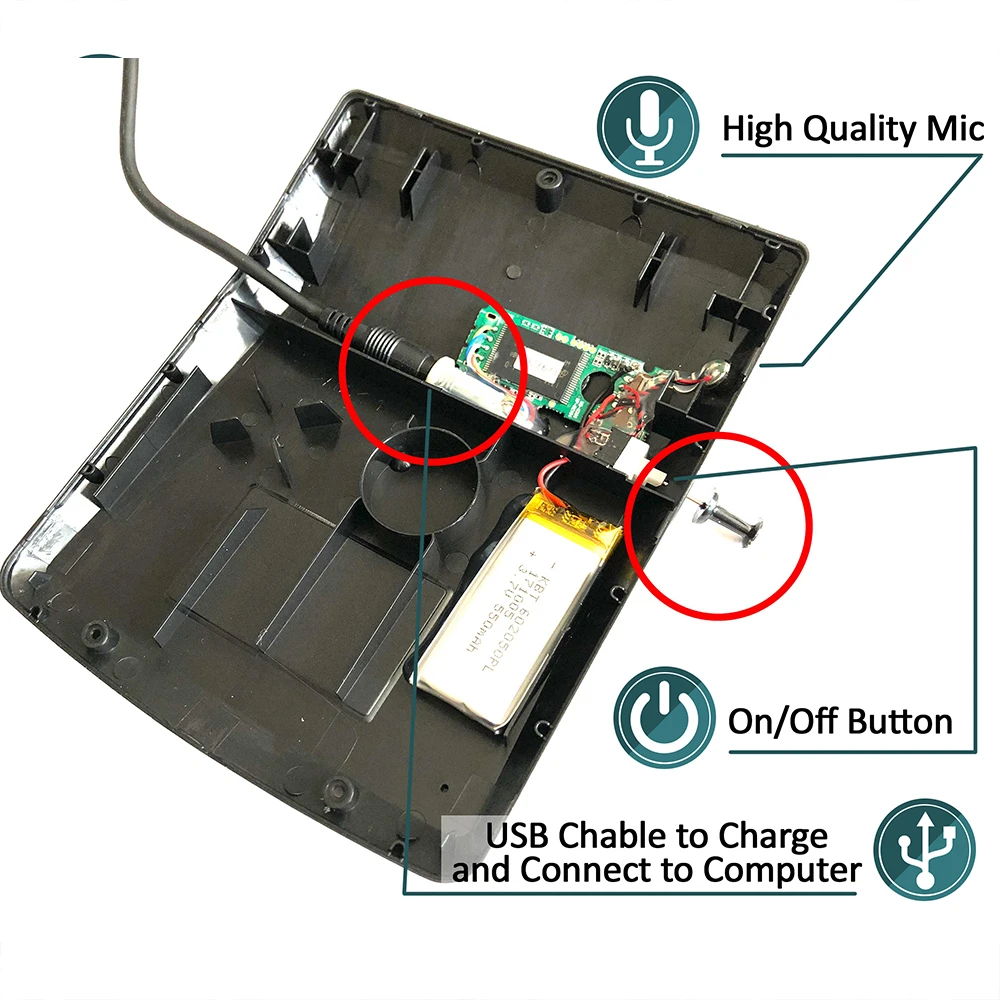
USB, USB-C, memory-card or similar transfer options can simplify moving recordings into a computer or controlled storage environment. Password or file-protection features, where supported, can add an additional access-control layer.


Playback, retrieval and review
- Easy playback, file search, folder management and retrieval make it easier to find specific recordings, review conversations and manage larger collections of audio files. Some professional recorders also provide file protection, track marks, search and playback-speed functions.


AI-Compatible for Voice-to-Text Transcription
Common audio formats and straightforward file transfer can make recordings easier to move into transcription, speech-to-text, analysis, documentation and professional review workflows. Some professional recording ecosystems explicitly support transcription or hands-free transcription functions.
◆Transparent Pricing & Secure Payment via Stripe✓FINAL PRICE: The price displayed is the final amount payable to Archthetic.✓WORLDWIDE SHIPPING INCLUDED — including remote-area delivery charges.✓NO SURPRISE CHARGES — no additional shipping or handling fees are added at checkout.⚠IMPORT TAXES: Import duties, customs fees, VAT, and other destination-country taxes are not included and may apply under local regulations.✓SECURE PAYMENT VIA STRIPE — pay securely by Credit Card, Bank Transfer, or International Invoice.
Audio Recording Technology - Purchase Options
Interview & Evidence Recorders
Wearable Audio Recorders
Long-Life Audio Recorders
Dual-Function Audio Recorders
Professional Covert Audio Recorders
Professional Audio Recording Kits
Audio Recording for Evidence-Preservation Workflows
When a recording may later become relevant to an investigation, dispute or legal proceeding, the device is only one part of the process.
A practical workflow is:
Record → Preserve Original → Document Context → Create Controlled Copy → Review → Transcribe if Required → Secure → Transfer
Keep the original recording separate from any working, enhanced, converted or analytical copy.
| Information to Preserve | What to Keep | Why It Matters |
|---|---|---|
| Original Audio File | The original recording file and its original format. | Provides the source file for later review. Avoid replacing the original with an edited or converted copy. |
| Recording Date & Time | Device-recorded date/time and relevant recording information. | Helps establish when the recording was purportedly made and provides useful context for later review. |
| Device & Source Information | Recorder make/model, relevant settings and storage source where appropriate. | Connects the audio file to the system that created or stored it. SWGDE identifies the original recording system and its settings as relevant to digital-audio examination. |
| Recording Context | Location, circumstances, purpose and other relevant notes. | Helps explain what the recording is, where it came from and how it was created, rather than relying on the audio file alone. |
| Working Copies | Separate copies used for listening, transcription, enhancement or analysis. | Allows review or processing while keeping the original recording separately preserved. |
| Transcripts | Transcript versions prepared from the recording, where needed. | A transcript can make audio easier to review, but it should remain separate from the original audio and should not replace it. |
| Transfer & Access History | Significant transfers, access events, dates and responsible parties where relevant. | Creates a record of how the file moved through the workflow. This is part of the broader chain-of-custody concept described by NIST. |
| Technical Review | Forensic or technical examination when authenticity, integrity or other technical questions arise. | Specialist examination may be appropriate when there is a specific technical question about the recording or its handling. |
Can These Recorders Be Used for Evidence in Court?
| Question | What the Recorder Can Support | What It Does Not Prove |
|---|---|---|
| Was the recording captured? | A suitable recorder can create a stored audio file that can later be retrieved, reviewed and preserved. | The file alone does not prove that the recording was lawfully obtained. |
| When was it recorded? | Device date/time information and file metadata can provide useful timing information for investigation and review. | A timestamp does not independently prove that the stated time is accurate or unaltered. |
| Where did the file come from? | Keeping the original recorder, storage source and relevant device information can help document the origin of the recording. | Device information alone does not establish the complete provenance or chain of custody. |
| Is this the original recording? | Preserving the original file and, where appropriate, the original recording system helps maintain the source material for later examination. | A recorder cannot guarantee that a file presented later is the original or an unaltered copy. |
| Who is speaking? | Clear audio can make speech easier to hear, review and potentially compare. | Audio quality alone does not automatically establish the identity of the speaker. Authentication may require additional evidence or specialist analysis. :contentReference[oaicite:2]{index=2} |
| Has the file been preserved properly? | Original-file retention, controlled copies and documented handling can support a structured evidence-preservation workflow. | Having a professional recorder does not by itself create a complete chain of custody. Handling procedures still matter. :contentReference[oaicite:3]{index=3} |
| Can the recording be examined? | Retaining the original file, metadata and relevant device information can give a qualified examiner more material for technical review. | The recorder does not automatically establish authenticity or integrity. Those questions may require technical examination and supporting evidence. :contentReference[oaicite:4]{index=4} |
| Will a court accept it? | Good recording and preservation practices can help provide the technical foundation for later review. | No recorder guarantees admissibility or court acceptance. Requirements depend on the applicable law, facts and evidentiary process. :contentReference[oaicite:5]{index=5} |
They can support lawful evidence-documentation workflows, but no recorder guarantees that a recording will be accepted as evidence.
Features such as clear audio, time/date information, voice activation, long-duration recording, local storage and controlled file transfer can support the technical side of documentation.
Recording Technology and Legal Use
| Before Recording | What to Consider | Why It Matters |
|---|---|---|
| Applicable Law | Identify the laws that apply to the recording, people involved, location and communication being captured. | Recording and interception rules can differ by jurisdiction and circumstance. Do not assume that a recording lawful in one location is lawful elsewhere. |
| Consent or Authorization | Determine whether consent, notice, contractual authority, legal authority or another recognized basis is required. | Consent is only one possible legal basis in some frameworks. The correct requirement depends on the law and circumstances. For example, GDPR processing requires an applicable legal basis. |
| Privacy & Personal Information | Consider whether the recording captures identifiable people, private conversations, sensitive information or other protected data. | Audio recordings can involve personal data. Privacy frameworks may impose requirements concerning lawfulness, transparency, purpose and handling. |
| Location & Circumstances | Consider where the recording occurs, who is present, what is being recorded and the surrounding circumstances. | The legal analysis can change depending on the place, participants, communication and purpose. Context matters. |
| Purpose of the Recording | Define why the recording is being made and limit collection to what is relevant to that purpose. | Data-protection frameworks such as GDPR emphasize specified purposes and data minimization, meaning unnecessary collection should not simply be assumed to be acceptable. |
| Confidential or Sensitive Information | Identify whether the recording may contain confidential business information, personal data, privileged communications or other sensitive material. | Sensitive information can create additional privacy, confidentiality, security and handling obligations. GDPR, for example, imposes additional conditions for certain special categories of personal data. |
| Storage & Access | Decide where recordings will be stored, who can access them and how long they need to be retained. | Privacy frameworks can require appropriate security and may place limits on retention and access. Secure handling also supports later evidence review. |
| Transfer & Disclosure | Plan how recordings will be copied, transferred, shared or submitted and keep relevant handling records where appropriate. | Moving a recording to another person, system or jurisdiction can create additional privacy, security or evidentiary considerations. Digital-evidence guidance also emphasizes documenting provenance and handling. |
| Legal or Evidentiary Use | If the recording may be used in an investigation, dispute or legal proceeding, preserve the original and document relevant context and handling. | Forensic audio guidance considers the original recording, recording system, date/time, provenance and chain of custody when authenticity questions arise. This does not guarantee admissibility. :contentReference[oaicite:1]{index=1} |
| When in Doubt | Obtain advice from a qualified lawyer or relevant privacy/compliance professional before making the recording. | A device cannot determine the legal authority to record. Where the consequences may be significant, the legal question should be resolved before recording. |

Where recording may have legal consequences, obtain qualified legal advice where appropriate.
A professional recording device supports lawful documentation. It does not create the legal authority to record.
Product Features & Recording Capabilities
There is no single feature that makes a recorder “professional.”
The important question is whether the device provides the capabilities required for the intended workflow, such as:
- Clear speech capture
- Appropriate recording formats
- Long battery operation
- Adequate storage
- Reliable file creation
- Playback and file retrieval
- Transfer and file-management options
The best recorder depends on the recording environment, duration and documentation requirement—not simply price or device size.
PCM and WAV are commonly used digital audio formats that can provide high-quality recordings suitable for playback, review and further technical work.
However, file format alone does not prove that a recording is original or authentic. Forensic examination may consider file structure, metadata and the recording system together with other available evidence.
Yes. Time and date information can help organize recordings and provide useful context about when a recording was purportedly created.
However, a timestamp should not be treated as independent proof of authenticity.
Voice or sound activation can be useful when recording is only required during periods of relevant activity.
It may help reduce silent recordings and conserve available storage or battery.
For situations where complete and continuous documentation is important, users should consider whether continuous recording is more appropriate for the actual requirement.
Longer battery operation and adequate storage can reduce interruptions during extended authorized recording tasks.
- Long interviews
- Extended meetings
- Field documentation
- Long-duration recording requirements
Battery and storage capacity improve operational continuity, but they do not determine the legal status of a recording.
Local storage keeps the recording available on the device or supported storage media before it enters another stage of the workflow.
Where a recording may require later review, retaining the original file and, where appropriate, information about the original recording system can provide useful material for technical examination.
Yes. Direct transfer can make it easier to move recordings into a controlled storage, review or transcription workflow.
If the recording may become important evidence, unnecessary conversions or modifications should be considered carefully, and the original source file should be preserved where possible.
No. Password or access controls can help limit unauthorized access to stored recordings where such features are supported.
They may support a controlled handling process, but access protection alone does not prove authenticity, integrity or admissibility.
Yes. Clear audio, compatible file formats and straightforward file retrieval can make recordings easier to review, transcribe or process using appropriate tools.
A transcript is normally a supporting document—it does not replace the original audio recording.
Legal & Evidence Framework
A recorder can create an audio file that may later become relevant to an investigation, dispute or legal proceeding.
However, no recorder guarantees that a recording will be accepted as evidence.
Legal requirements can depend on how the recording was obtained, applicable law, authenticity, relevance and the evidentiary process used in the relevant jurisdiction.
No.
A recording device provides technical capability, not legal authority.
Recording laws can depend on jurisdiction, participants, location, privacy expectations, purpose and other circumstances.
There is no universal answer.
Consent and notification requirements can differ depending on the jurisdiction and circumstances of the recording.
Do not assume that being part of a conversation automatically gives unrestricted permission to record it.
No.
A timestamp can provide useful context, but digital metadata may need to be considered alongside the original recording, recording system, file structure and other available evidence.
Where possible, preserve the original recording separately.
If a shorter, enhanced, converted or analytical version is needed, keep it clearly identified as a working copy rather than presenting it as the untouched original.
Chain of custody is the documented history of how evidence was handled.
- Where the recording originated
- Who handled it
- Important transfers or copies
- Dates and storage locations
Documentation does not automatically prove authenticity, but it can help explain the history and handling of the recording.
No. Clear audio may make speech easier to hear and review, but audio quality alone does not automatically establish speaker identity.
Identity may require additional evidence, witness knowledge, comparison material or specialist analysis depending on the circumstances.
Where appropriate and legally permissible, retaining the original recording system can provide useful technical information such as native file data, timestamps, metadata and recorder settings.
Whether the device should be preserved depends on the circumstances and requirements of the investigation or legal process.
Do not assume that possessing a recording gives unrestricted permission to publish or distribute it.
Disclosure may create separate privacy, confidentiality, contractual, professional or legal issues depending on the jurisdiction and circumstances.
Having a recording and being legally permitted to distribute it are separate questions.
A practical starting point may include:
- Preserve the original file where possible
- Avoid unnecessary editing
- Record relevant context
- Keep track of significant transfers
- Store the material securely
- Seek legal or forensic advice where appropriate
These steps can support a more organized preservation workflow, but they do not guarantee admissibility or court acceptance.
Legal Recording Questions
Is it legal to record a conversation?
There is no single global answer.
Recording laws can depend on the country, state or province, the people involved, the location, the type of communication and the purpose of the recording.
Before recording, identify the law that applies to your specific situation and whether consent, notice, authorization or another legal basis is required.
Can I secretly record someone?
A recording being technically possible does not mean it is legally permitted.
The legal analysis can depend on privacy expectations, consent requirements, location, purpose and the applicable law.
Do not treat “covert” as a legal category. It describes how the recording is made, not whether the recording is lawful.
Do I always need consent before recording?
Not necessarily. Consent requirements differ between jurisdictions and circumstances.
Some legal frameworks distinguish between different types of communications, participants, locations and purposes. Some situations may also involve other legal bases or specific exceptions.
Do not assume that consent is either always required or never required. Check the law that applies to the actual recording.
Does being part of the conversation mean I can record it?
Not automatically.
Being a participant may be relevant under some laws, but recording rules can still depend on the jurisdiction and circumstances.
For example, U.S. state recording laws differ, with some states using one-party consent rules and others imposing broader consent requirements.
Can a recording be legal to make but still create problems when I share it?
Yes.
Recording, storing, using and disclosing a recording are separate questions.
A lawful recording should not automatically be treated as unrestricted permission to publish, distribute or use the recording for another purpose. Privacy, confidentiality, data-protection and other obligations may apply.
What should I do before making a recording?
A practical checklist is:
- Identify the applicable jurisdiction.
- Understand whether consent, notice or authorization is required.
- Define the legitimate purpose of the recording.
- Consider privacy and sensitive information.
- Decide who should have access to the recording.
- Plan how it will be stored, transferred and eventually deleted or retained.
If the consequences could be significant, obtain qualified legal advice before recording.
Country-Specific Recording Questions
What should I know about recording conversations in the United States?
The U.S. does not have one simple recording-consent rule covering every conversation. Federal law and state laws can apply differently, and state requirements can vary.
For example, some states permit recording with one-party consent while others require consent from all parties in certain circumstances.
Action: identify the state law that applies to the people, location and communication before recording.
What should I know about recording in the United Kingdom?
In professional or organizational contexts, an audio recording can involve personal data and therefore data-protection obligations may apply.
The UK framework emphasizes lawfulness, fairness, transparency, purpose limitation, data minimization, security and appropriate retention.
Workplace monitoring can also require organizations to justify the monitoring and make employees aware of it, subject to applicable exceptions.
Action: identify the lawful basis, purpose, transparency, retention and access arrangements before recording.
What should I know about recording in the United Arab Emirates?
UAE recording situations can involve privacy, personal-data and electronic communications rules. The UAE also has legislation addressing electronic records and electronic evidence.
The existence of an electronic record does not by itself answer whether the method used to obtain it was lawful or whether it will be accepted in a particular proceeding.
Action: check the applicable UAE legislation and the specific circumstances before recording or sharing private communications.
What should I know about audio recordings in India?
India has a statutory framework dealing with electronic and digital records, including the Bharatiya Sakshya Adhiniyam, 2023.
Whether a particular recording can be relied upon in a case still depends on the applicable law, facts, relevance, authenticity and evidentiary requirements.
Action: preserve the original recording and relevant source and handling information, and obtain case-specific legal advice where the recording may be used in proceedings.
What should I know about recording in Australia?
Australia requires particular care because surveillance and recording rules can arise under state and territory laws, while privacy obligations can also apply to organizations covered by the Privacy Act.
The OAIC specifically notes that laws covering monitoring and recording telephone conversations may apply at state level.
Action: identify the relevant state or territory rules as well as any federal privacy obligations before recording.
What should I know about recording in Canada?
Canadian recording and privacy issues depend on the circumstances and the applicable federal or provincial framework.
For organizations handling personal information, privacy obligations can include consent, purpose limitation, safeguards and appropriate retention.
The Office of the Privacy Commissioner of Canada also provides specific guidance on recording customer calls and workplace privacy.
Action: identify the applicable privacy law and any communication-recording rules before recording.
What should I know about recording in Singapore?
Where audio recordings contain personal data, organizations may have obligations under Singapore's Personal Data Protection Act (PDPA).
The PDPC explains that organizations generally need to comply with the PDPA when collecting, using or disclosing personal data, subject to applicable exceptions.
Action: consider the purpose, legal basis or consent requirements, security, access and handling of the personal data involved.
What should I know about recording in Japan?
Japan should be assessed under the specific circumstances of the recording, including privacy and personal-information considerations.
For organizations handling personal information, Japan's privacy framework requires attention to the applicable rules for collection, use, handling and security.
Action: confirm the current Japanese requirements that apply to the recording, especially where personal information is collected or shared.
If You Already Have a Recording
What should I do if the recording may become evidence?
Start by protecting the original material and documenting the circumstances around it.
- Keep the original recording where possible.
- Avoid unnecessary editing.
- Record relevant date, time and context information.
- Keep significant transfer or access records.
- Store copies securely.
- Obtain legal or forensic advice when appropriate.
These steps support a more organized preservation workflow. They do not guarantee admissibility or court acceptance.
Does a timestamp prove that the recording is authentic?
No.
A timestamp can provide useful context, but it is only one piece of information. Technical authentication may consider the original file, recording system, metadata, file structure and other evidence.
Can clear audio prove who is speaking?
No. Clear audio improves intelligibility, but it does not automatically establish speaker identity.
Depending on the circumstances, additional evidence or specialist examination may be required.
Can I edit or enhance a recording?
If analysis or enhancement is required, preserve the original separately and perform work on a clearly identified copy.
This allows the original material to remain available for later review while a working version is used for analysis.
Can I publish a recording because I believe it proves my case?
Not automatically.
The right to possess or use a recording and the right to publish or disclose it can be different legal questions.
Before publishing, consider privacy, confidentiality, data-protection, contractual and other applicable obligations.
When should I speak to a lawyer?
Consider qualified legal advice before recording when the situation involves significant privacy, employment, criminal, commercial or litigation risk.
Legal or forensic advice may also be appropriate when authenticity, speaker identity, alteration, chain of custody or admissibility is disputed.
The recorder can provide technical capability. It cannot determine your legal rights or obligations.