
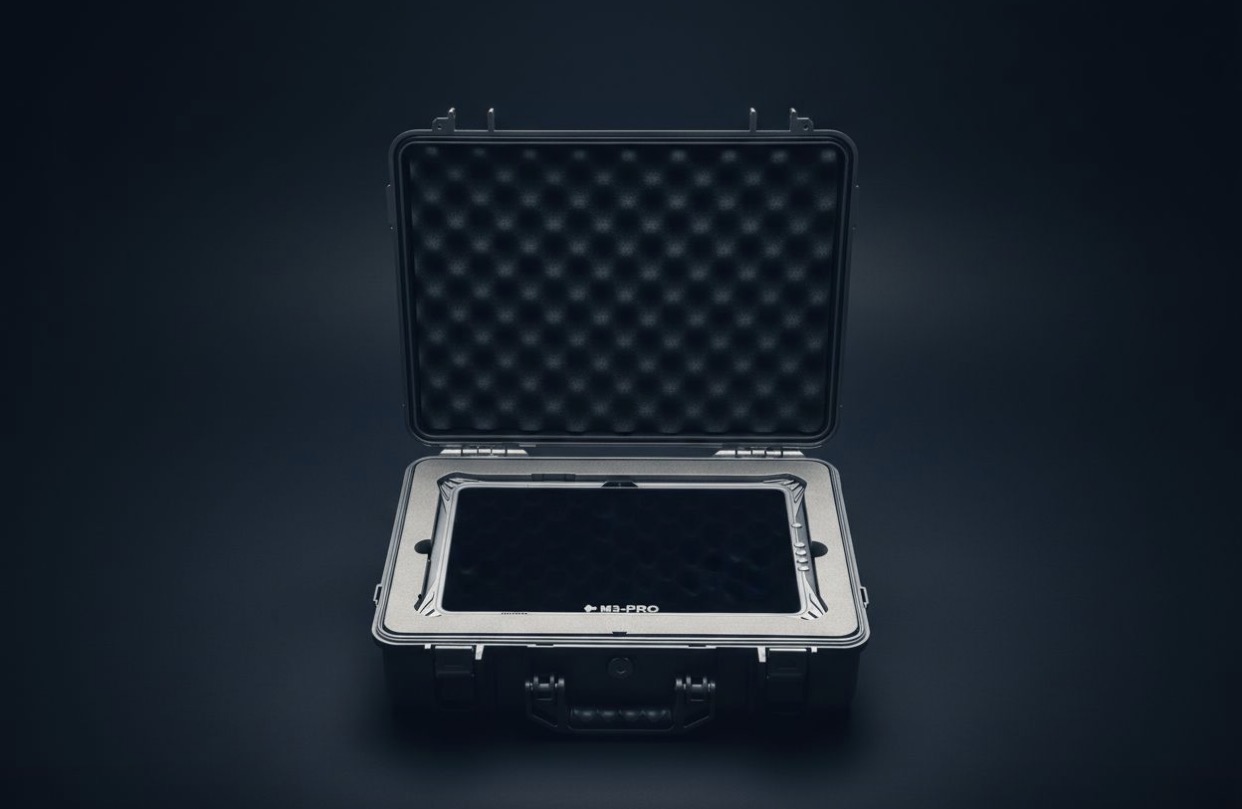


Description
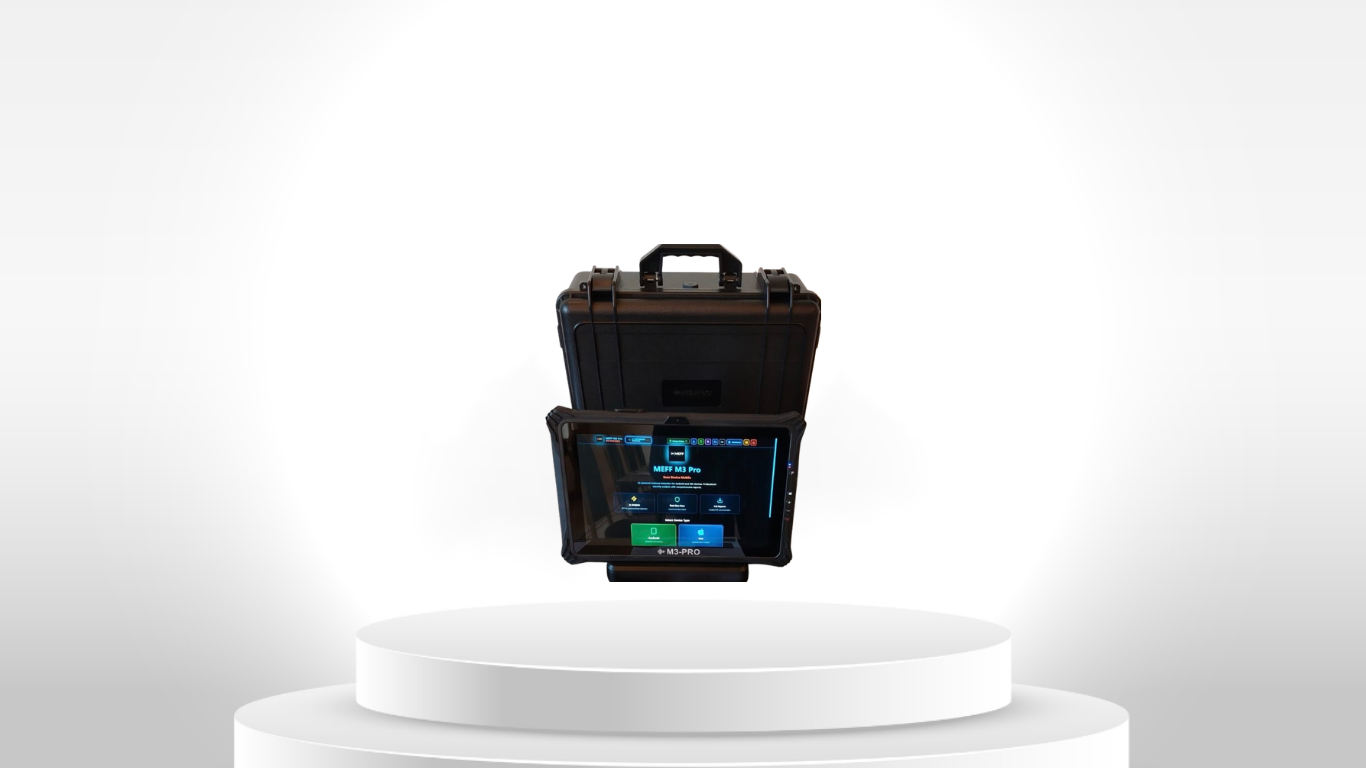
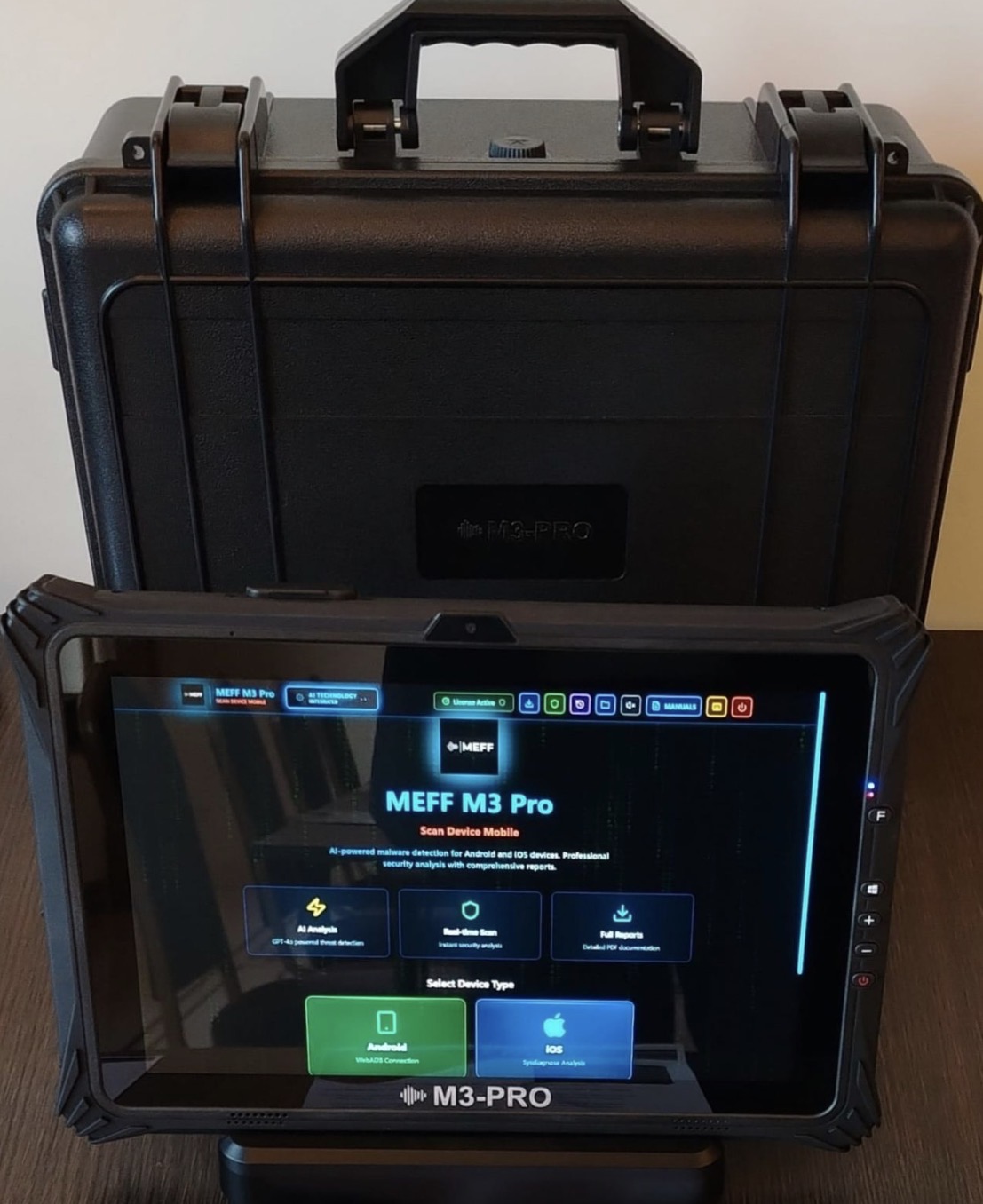
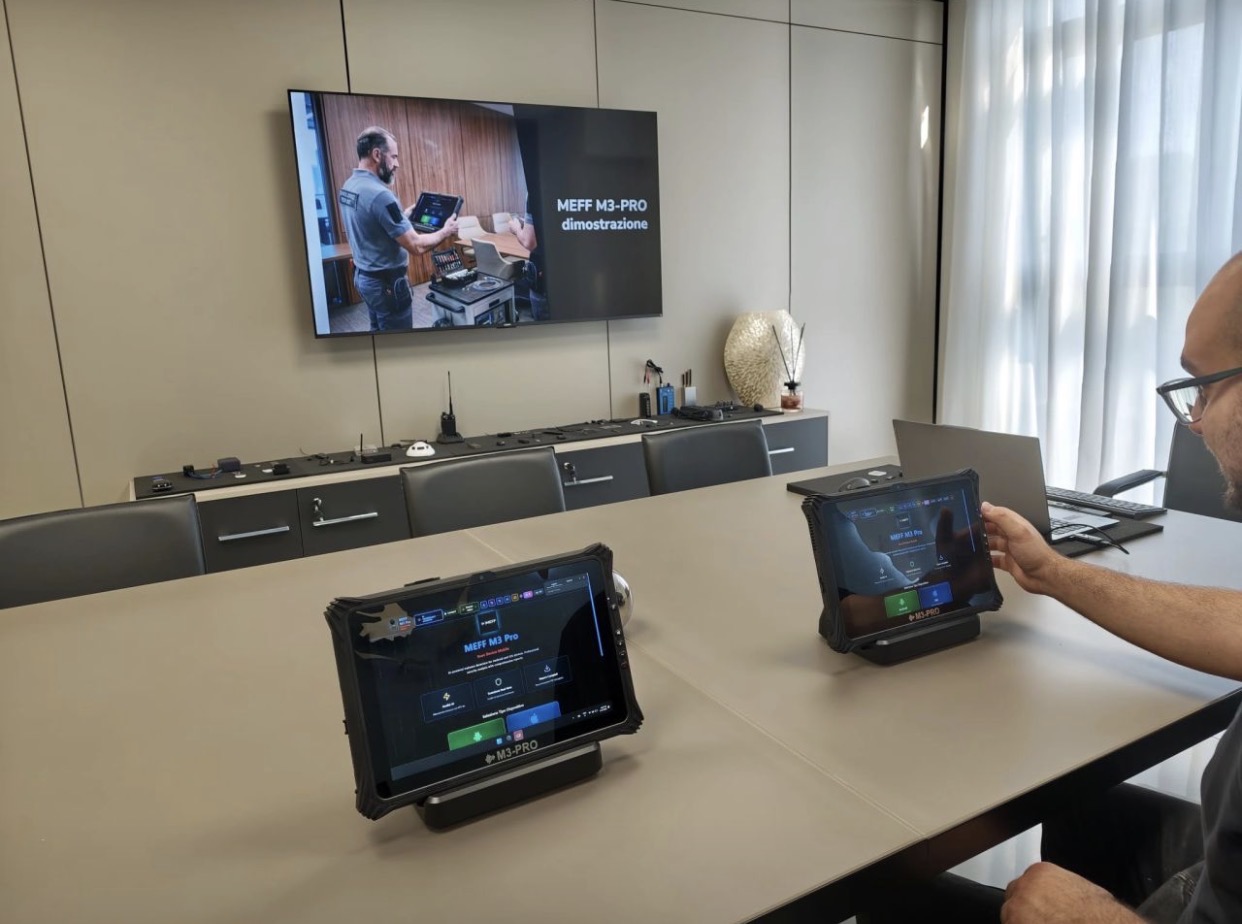
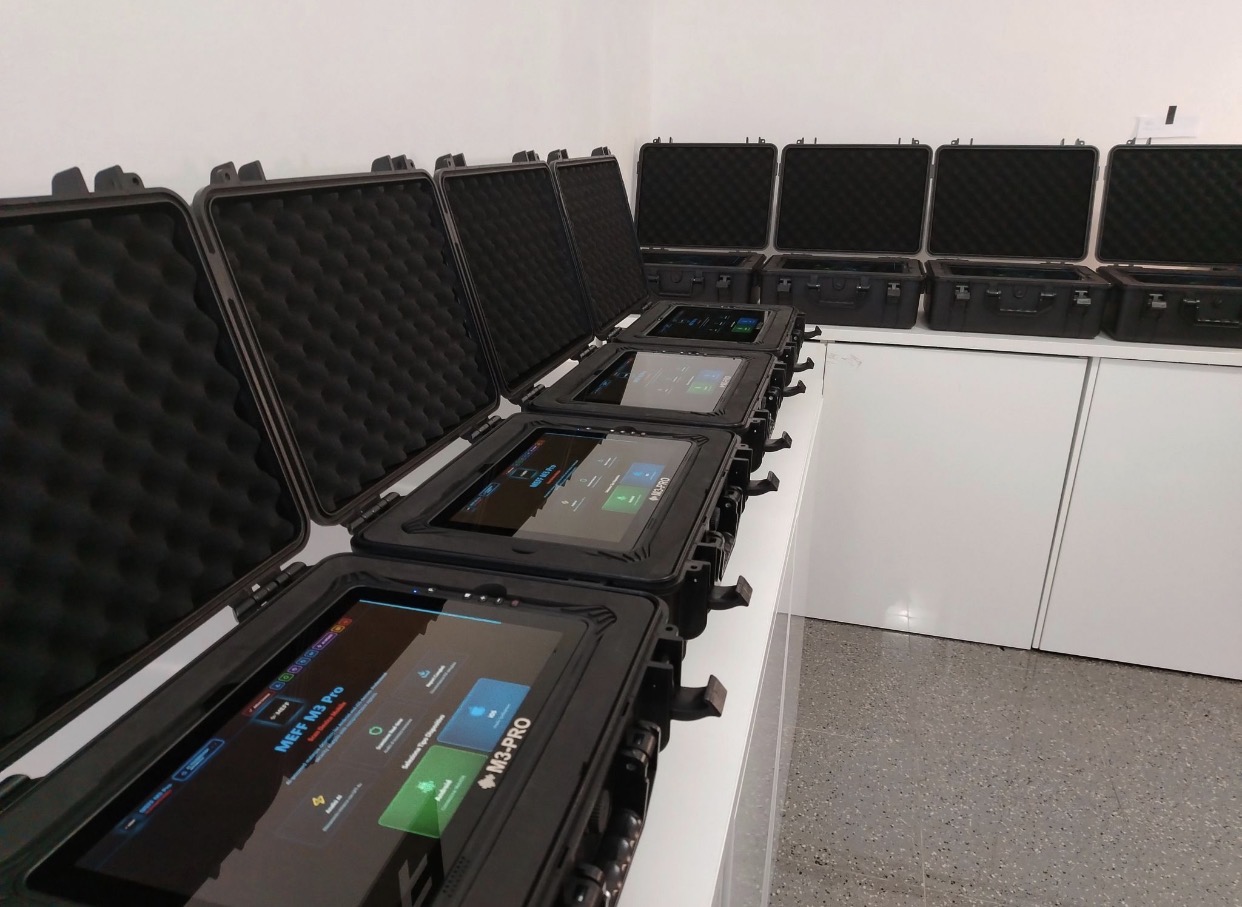
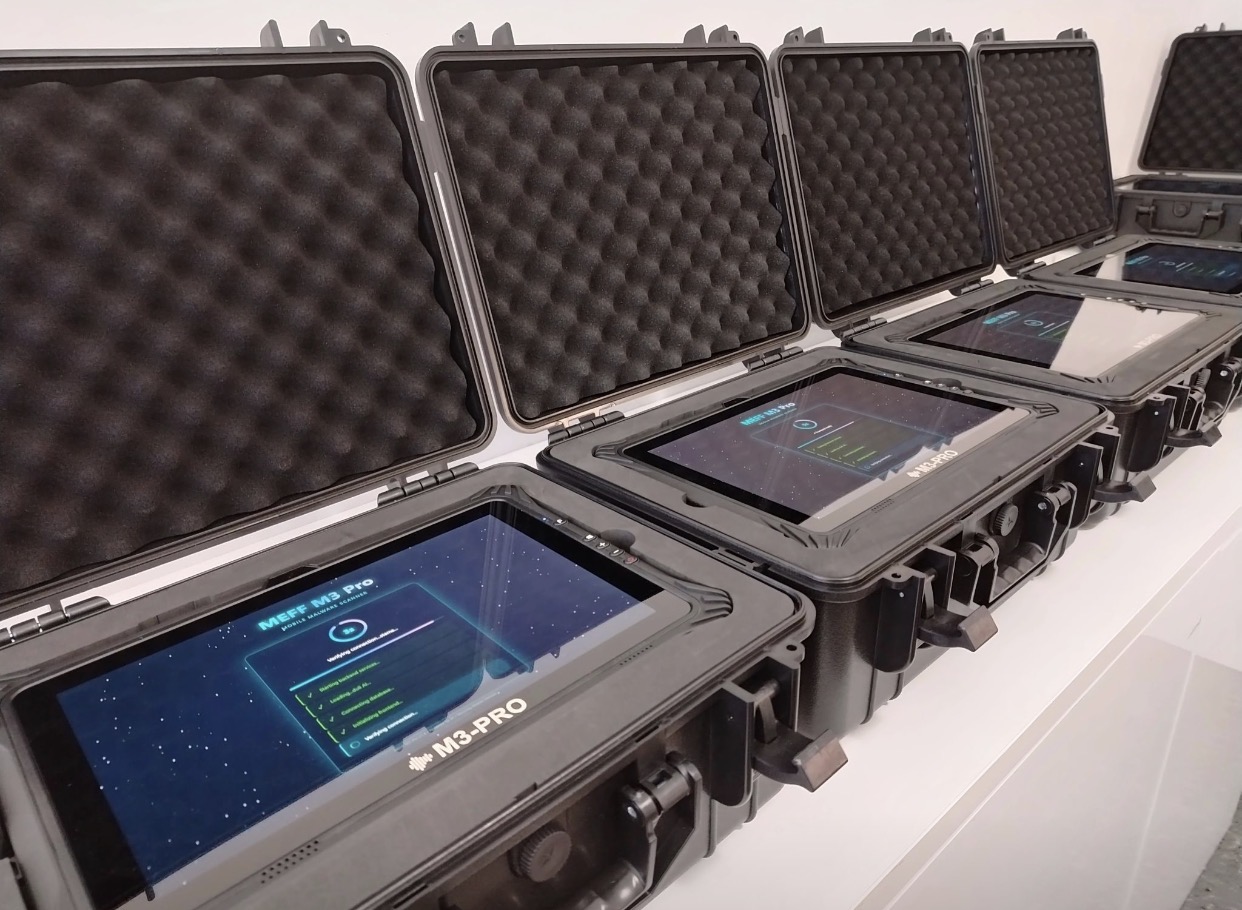
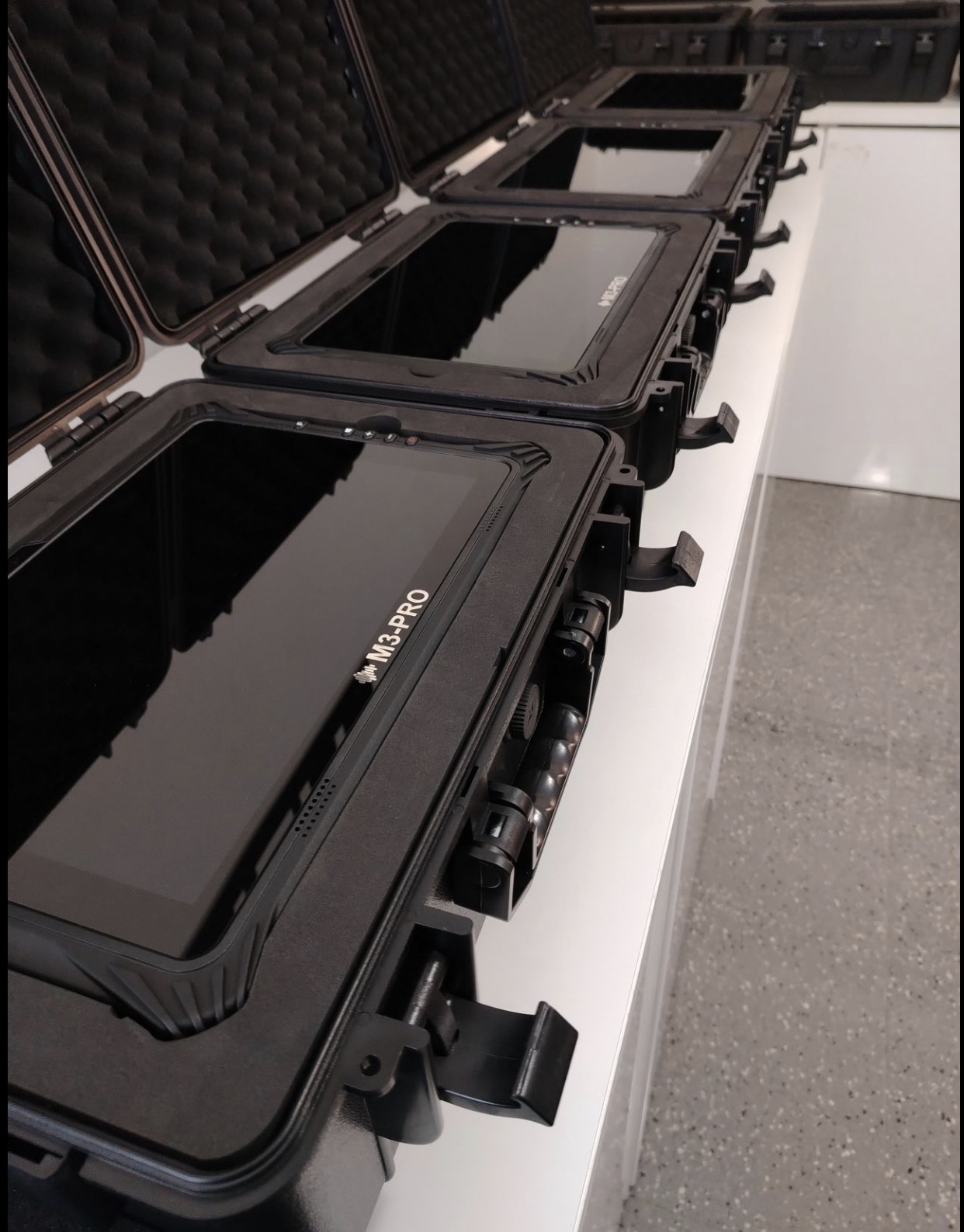
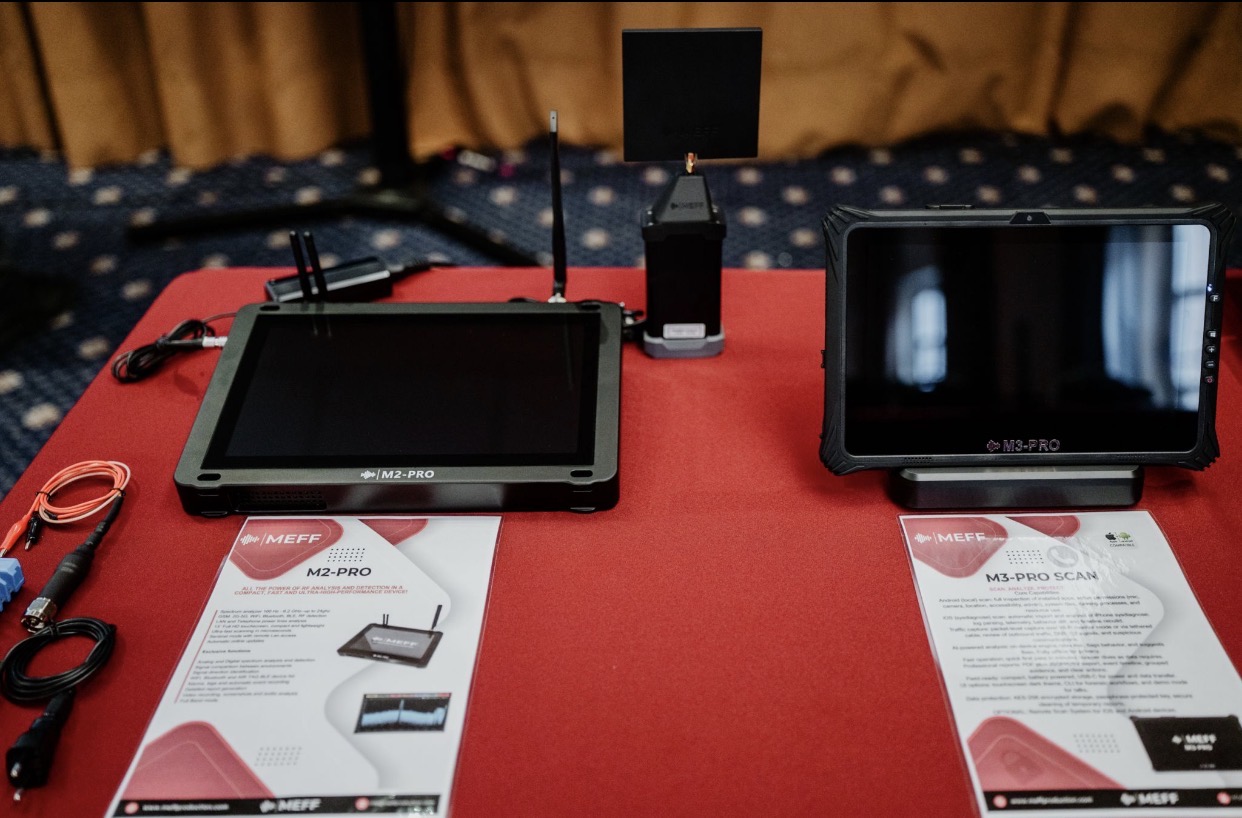
MEFF M3-PRO — Mobile Threat Detection & Malware Analysis Platform
Advanced Mobile Threat Detection for iOS & Android
The MEFF M3-PRO is a professional mobile security analysis platform designed to investigate potential malware, spyware, trojans, suspicious applications, system anomalies and potentially unauthorized network communications across supported Apple and Android devices.
Rather than functioning as a conventional mobile data extraction kit, the M3-PRO is focused on a different security question:
Is this mobile device showing technical indicators associated with compromise, malicious software or suspicious behavior?
Its architecture combines multiple investigation approaches within one dedicated platform, giving security teams a structured way to assess mobile-device risk and produce technical reports for further investigation and decision-making.
Mobile Threat Detection Architecture
The M3-PRO brings together three complementary analysis layers:
1. Device-Level Analysis
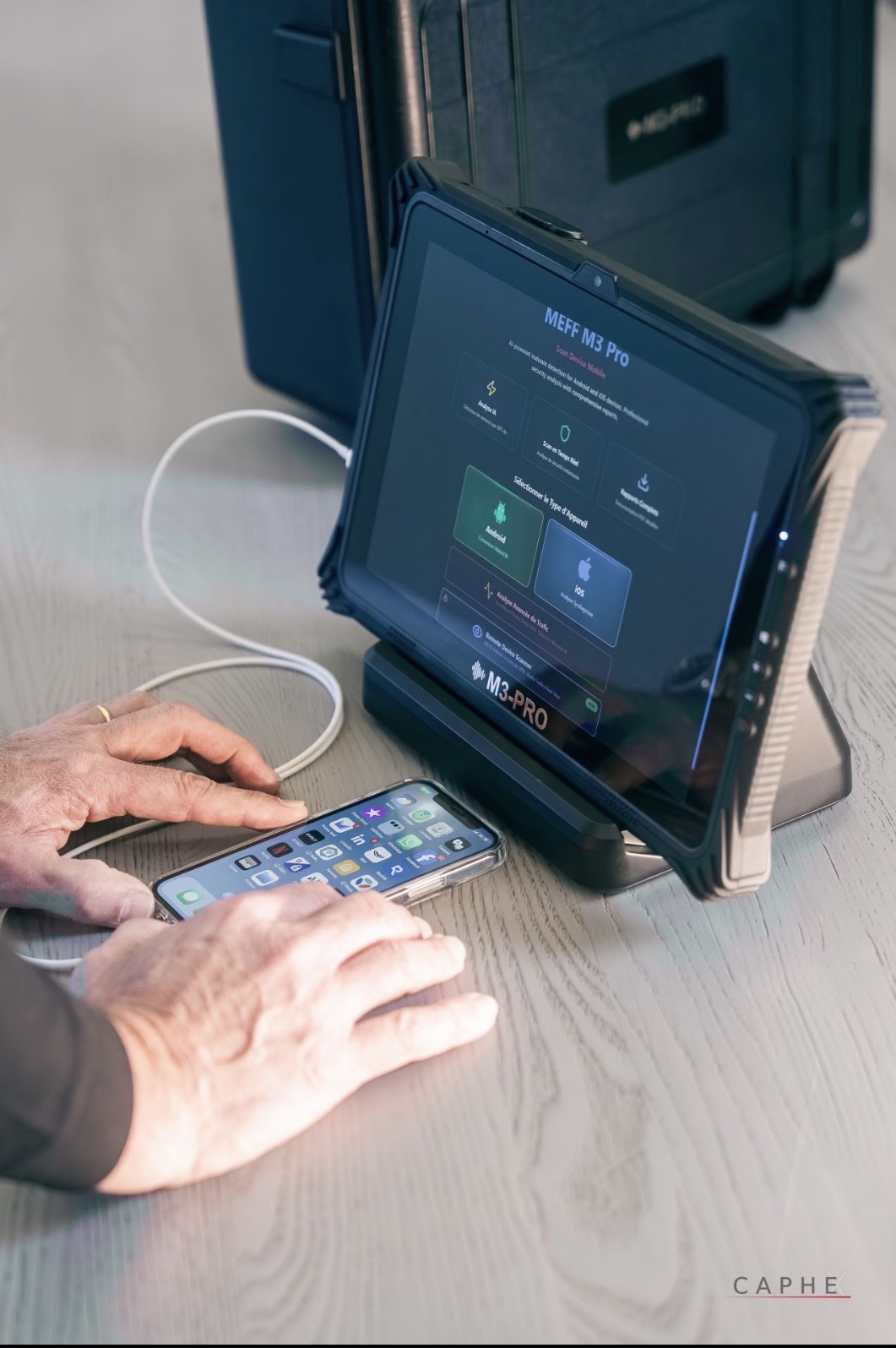
The platform can perform technical analysis of supported mobile devices to examine applications, permissions, system information and other available indicators associated with malware, spyware and suspicious behavior.
For Android, the documented architecture uses direct device connectivity through WebUSB/WebADB-based analysis.
For iOS, the platform analyzes system diagnostic information through Sysdiagnose-based examination.
This makes the M3-PRO particularly relevant when an organization needs to investigate whether a specific smartphone may have been compromised.
2. Mobile Network Traffic Analysis
The M3-PRO also provides a traffic-analysis workflow designed to examine communications generated by a mobile device.
The documented traffic-analysis architecture uses an integrated hotspot environment to observe network activity and analyze HTTP, HTTPS and DNS traffic for potentially suspicious destinations, communications patterns and indicators.
This provides a complementary perspective:
Device analysis asks what is present on the device.
Traffic analysis asks what the device is communicating with.
Combining both perspectives can provide a stronger basis for mobile threat investigation than relying on application or signature inspection alone.
3. iOS Sysdiagnose Analysis
For supported Apple devices, the M3-PRO uses Sysdiagnose data as an analysis source.
Sysdiagnose contains system-level diagnostic information that can be examined for indicators relevant to mobile security investigations.
This gives investigators an alternative to treating iOS simply as a conventional file-extraction target.
AI-Assisted Mobile Security Analysis
The M3-PRO incorporates AI-assisted analysis into its investigation workflow.
Its technical documentation identifies OpenAI GPT-4o as part of the documented AI-analysis architecture.
AI is used as an analysis layer to help interpret technical indicators, application behavior, permissions and network observations rather than being presented as a replacement for forensic expertise.
The resulting workflow can help investigators move from raw technical observations toward structured risk assessment and reporting.
Threat Intelligence & Indicator Analysis
MEFF currently describes the M3-PRO as incorporating a continuously updated threat-intelligence database.
The manufacturer currently reports a database snapshot including:
- 18,104 Indicators of Compromise (IOCs)
- 2,466 malware-related IP addresses
- 2,826 malware families
- 12,812 command-and-control servers
- Additional malicious URLs and continuously updated intelligence reports
Because threat intelligence changes over time, these figures should be understood as a manufacturer-reported database snapshot rather than permanent product specifications.
What the M3-PRO Is Designed to Investigate
The platform is relevant to investigations involving:
- Mobile malware
- Mobile spyware
- Trojanized applications
- Suspicious application behavior
- Excessive or unusual application permissions
- Potential command-and-control communication
- Suspicious network destinations
- Potential unauthorized data communication
- Mobile-device compromise indicators
- Advanced mobile threat assessment
- Corporate mobile security investigations
- Sensitive-personnel device security
- Government and public-sector mobile threat investigations
- Digital investigation and incident-response workflows
Investigation Workflow
A typical investigation can be structured around:
Identify → Analyze → Correlate → Assess → Report
- Identify the device and investigation objective.
- Select the appropriate device or traffic analysis method.
- Collect the available technical indicators.
- Analyze applications, permissions, system information and/or network activity.
- Compare relevant findings against available threat intelligence and indicators.
- Assess whether the findings indicate suspicious or potentially malicious activity.
- Generate a technical report for further investigation, remediation or escalation.
Mobile Threat Detection vs Mobile Data Extraction
The M3-PRO should not be positioned as a replacement for a dedicated mobile forensic extraction platform.
Its principal purpose is mobile threat detection and security analysis, rather than broad acquisition of a device’s user data for conventional forensic examination.
This distinction matters.
A mobile forensic extraction platform may focus on acquiring artifacts such as messages, contacts, media, application databases and other evidence.
The M3-PRO focuses on determining whether the device exhibits indicators associated with compromise, malicious software, spyware or suspicious communications.
The two technologies can therefore be complementary within a broader digital investigation capability.
Remote Analysis
MEFF also describes a remote-analysis capability for supported iOS and Android devices using dedicated QR-code workflows.
However, the manufacturer currently describes this capability as an optional feature that is being made available through activation and scan packages.
It should therefore be treated as an optional software/service capability subject to availability and activation, rather than assumed to be included as an unrestricted default capability on every deployment.
Reporting & Investigation Documentation
The M3-PRO generates structured technical reports containing investigation results and relevant technical findings.
The documented system supports PDF reporting and multilingual reporting workflows.
Reports can support internal security investigations, incident response, technical assessment and escalation to specialist forensic or cybersecurity teams.
Report generation does not by itself establish legal admissibility. Evidential value depends on the investigation methodology, device state, acquisition method, documentation, validation, preservation and applicable jurisdiction.
Who Is the M3-PRO For?
The platform is particularly relevant to:
- TSCM and counter-surveillance specialists
- Mobile security teams
- Cybersecurity professionals
- Digital investigators
- Incident-response teams
- Security operations centres
- Government agencies
- Military and law-enforcement organizations
- Corporate security teams
- High-risk executives and sensitive personnel protection programs
- Organizations investigating suspected mobile compromise
Technical Classification
Primary Technology Category: Mobile Threat Detection & Malware Analysis
Secondary Categories:
- Mobile Device Security Analysis
- Mobile Spyware & Trojan Detection
- Cyber TSCM & Mobile Threat Assessment
- Mobile Network Traffic Analysis
- Digital Investigation Technology
Primary Function: Mobile Malware, Spyware, Trojan & Suspicious-Behavior Detection
Evidence / Analysis Sources: Android devices, iOS devices, application information, system diagnostic data, mobile network traffic and threat-intelligence indicators
Product Type: Professional Mobile Threat Detection & Security Analysis Platform
Important Technical Boundaries
The M3-PRO should not be described as:
- A conventional RF detector
- A spectrum analyzer
- A cellular jammer
- A mobile-phone data extraction platform
- A universal forensic imaging system
- A guaranteed spyware detector for every possible threat
- A replacement for full digital forensic examination
Detection results depend on device model, operating-system version, available diagnostic information, accessible data, threat intelligence coverage and the characteristics of the suspected threat.
A positive indicator should be interpreted within the broader investigative context, while an absence of detected indicators should not automatically be treated as proof that a device is uncompromised.
Frequently Asked Technical Questions
What is the MEFF M3-PRO?
The MEFF M3-PRO is a professional mobile threat detection and security analysis platform for supported Android and iOS devices, combining device analysis, network traffic analysis, threat intelligence and AI-assisted interpretation.
Is the M3-PRO a mobile forensic extraction tool?
Not primarily. Its principal role is mobile threat detection and compromise analysis rather than broad user-data extraction.
Can the M3-PRO analyze Android devices?
Yes. The documented architecture provides Android analysis through direct device connectivity using WebUSB/WebADB-based workflows.
Can the M3-PRO analyze iPhones?
Yes. The documented iOS workflow uses Sysdiagnose data for technical analysis.
Can the M3-PRO detect spyware?
It is designed to identify indicators associated with spyware, malware, trojans and suspicious behavior. Detection capability depends on the available evidence, threat intelligence and characteristics of the suspected threat.
Does the M3-PRO analyze network traffic?
Yes. Its documented Traffic Analyzer uses a hotspot-based architecture to analyze mobile network activity, including HTTP, HTTPS and DNS traffic.
Does the M3-PRO use AI?
Yes. The technical documentation identifies OpenAI GPT-4o within the AI-analysis architecture.
Does the M3-PRO replace a full mobile forensic platform?
No. It serves a different primary function and can be complementary to mobile forensic acquisition and examination technologies.
Can M3-PRO findings be used in legal proceedings?
The platform can generate technical reports intended for investigative, administrative and security workflows. Whether particular findings are legally admissible or sufficient as evidence depends on jurisdiction, methodology, documentation, preservation and the requirements of the relevant authority or court.
Is remote scanning included on every M3-PRO?
Remote analysis is described by MEFF as an optional capability subject to activation and scan packages. Availability should be confirmed for the specific unit and software entitlement.
What is the difference between mobile threat detection and mobile forensic extraction?
Mobile threat detection focuses on compromise indicators, malicious software, suspicious behavior and communications. Mobile forensic extraction focuses on acquiring and examining digital artifacts from a device. They address different investigative objectives and can be used together.


Reviews
There are no reviews yet.