

Anti-recording & Speech Privacy Protection

Protect confidential conversations from unauthorized audio recording.

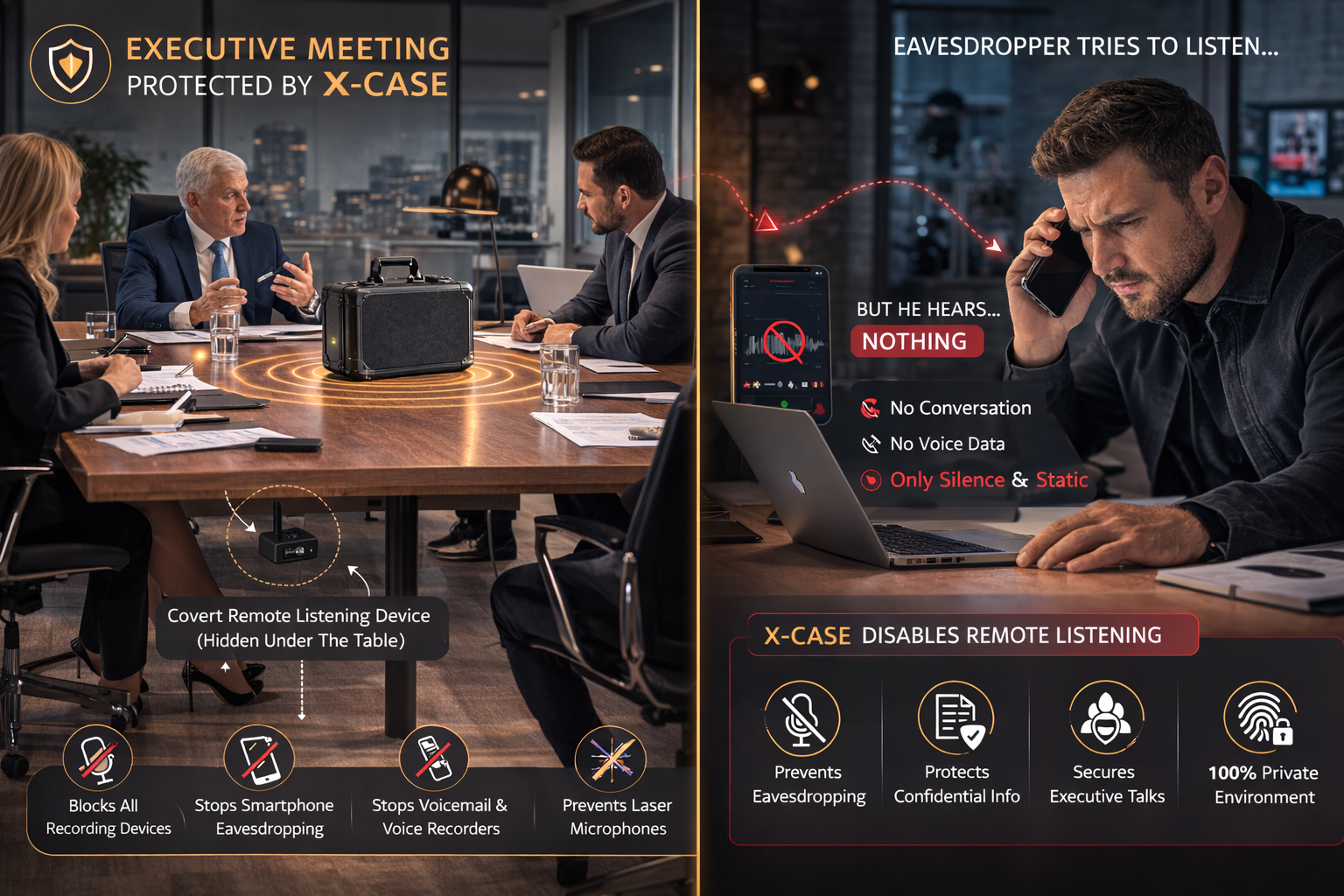
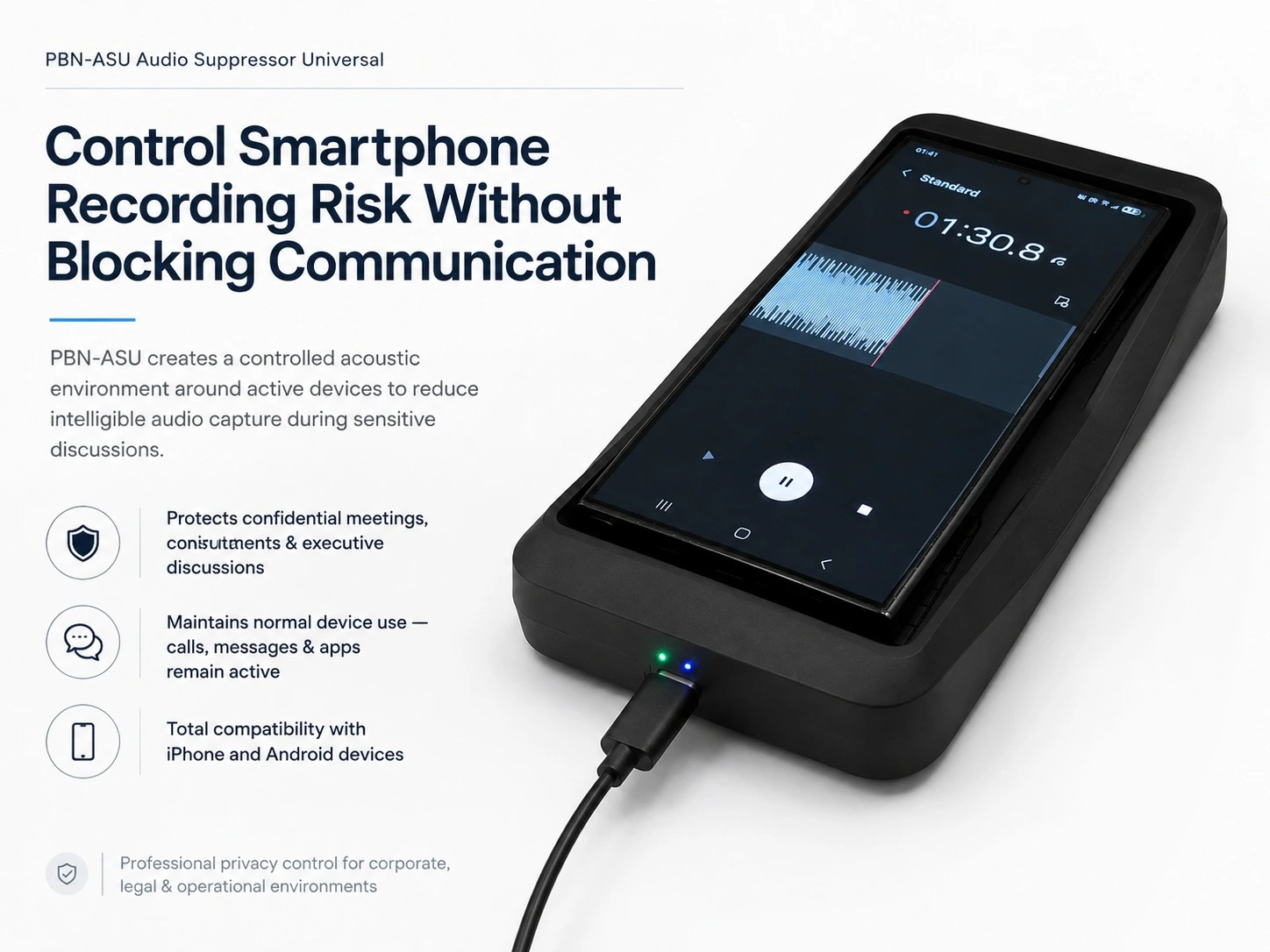
Counter Audio Surveillance technologies help protect sensitive conversations against unauthorized audio capture — from smartphones and voice recorders to concealed microphones and other listening devices.

Explore professional audio protection technologies designed for boardrooms, executive environments and  sensitive negotiations

What Counter Audio Surveillance Does

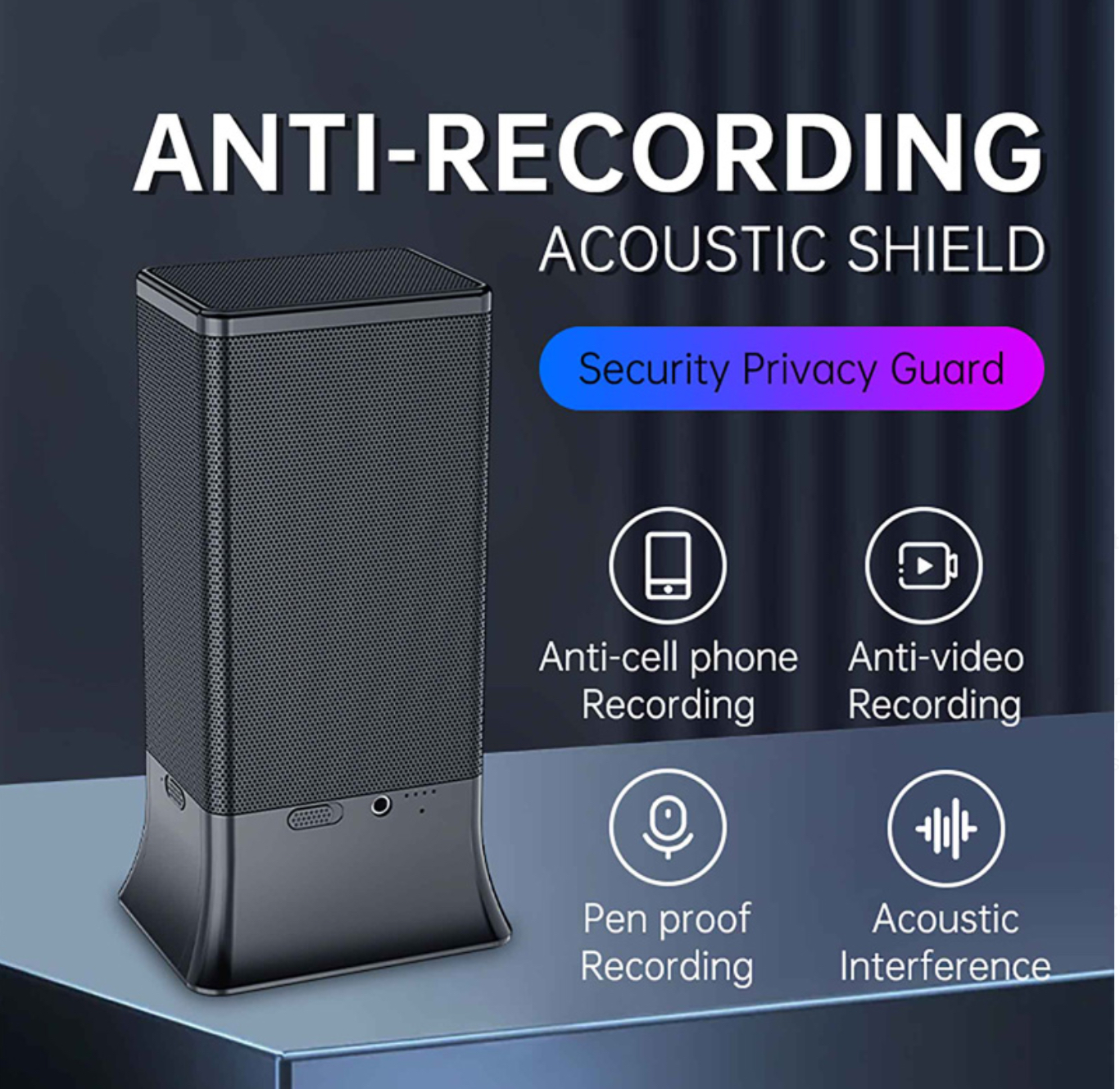
Counter Audio Surveillance technologies are designed to reduce the ability of microphones and recording devices to capture intelligible speech.

Performance depends on the specific technology, environment, device and deployment conditions. No single system should be treated as universally effective against every recording method.

Acoustic Protection

Create a controlled acoustic environment designed to protect speech privacy within a defined area.

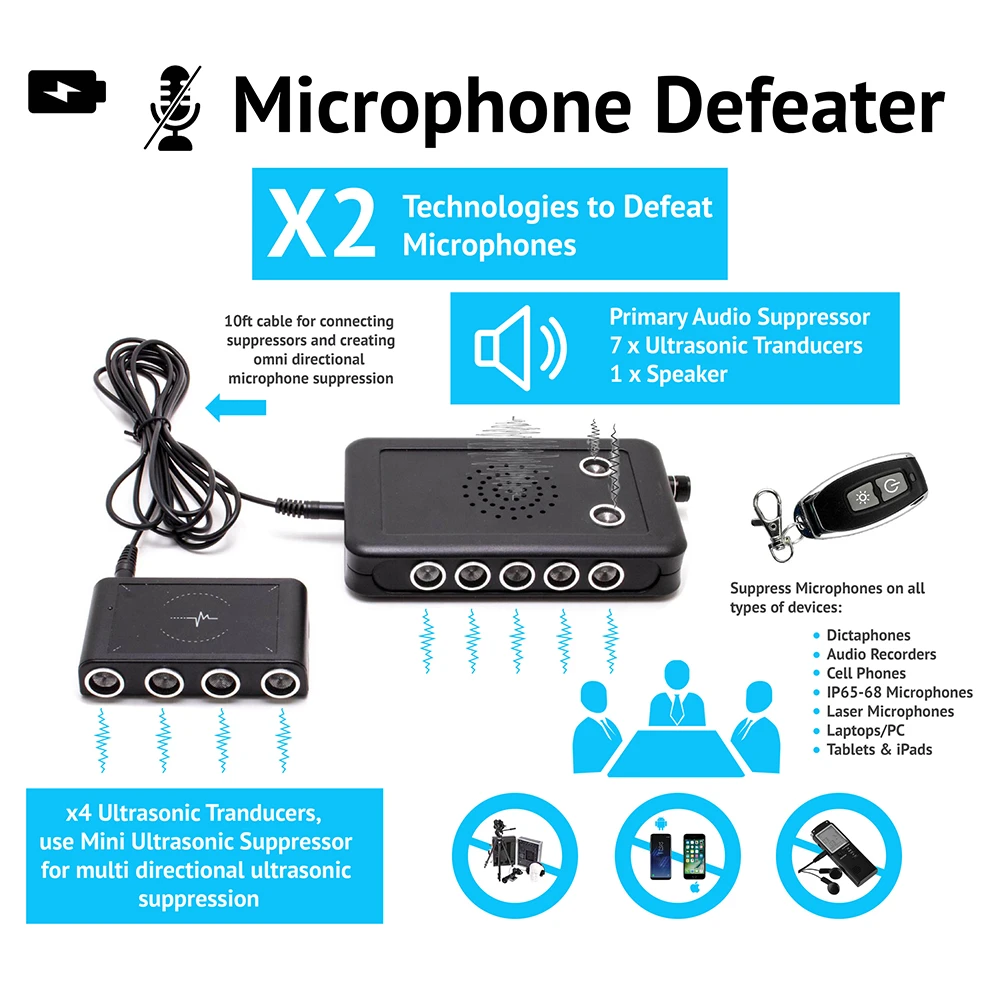
Ultrasonic Audio Protection

Use high-frequency acoustic interference to affect microphone recording while allowing people in the protected area to continue normal conversation.

Microphone & Recording Protection

Target common recording devices such as smartphones, digital recorders and other microphone-equipped devices.

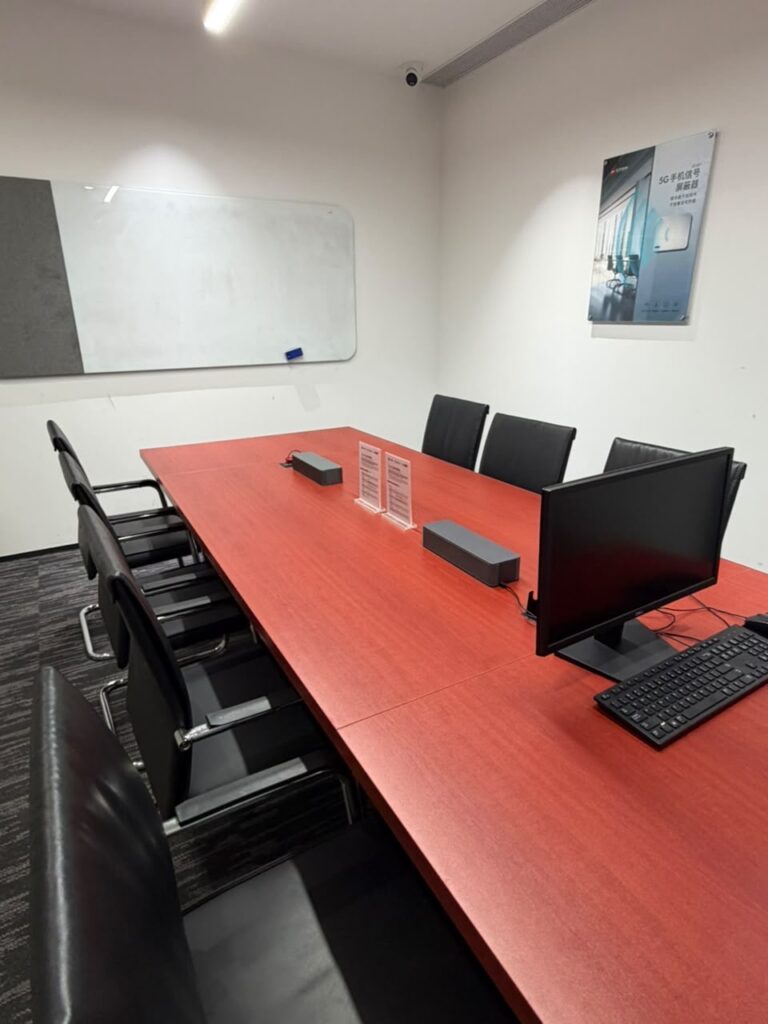
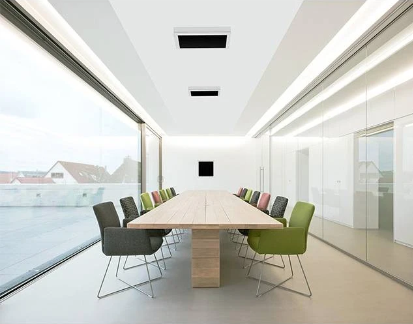
Executive & Board Meetings

Protect strategic discussions, corporate decisions and confidential leadership communications.

M&A Negotiations

Add protection around commercially sensitive negotiations, transactions and business strategy.

Legal Discussions

Support confidential conversations where unauthorized recording could create legal, financial or reputational exposure.


Government Facilities

Provide an additional physical security layer for controlled and high-confidentiality environments.


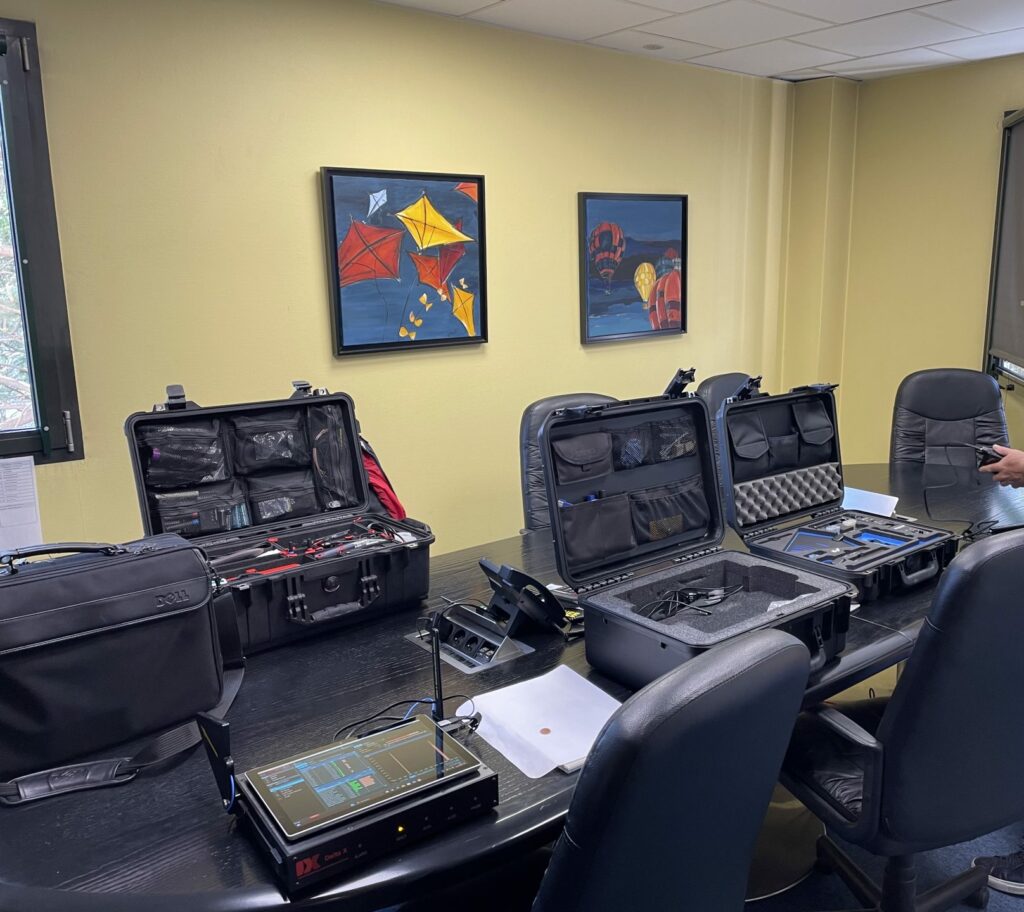
Security & Investigation

Protect operational discussions where information exposure could compromise an investigation, source or mission.

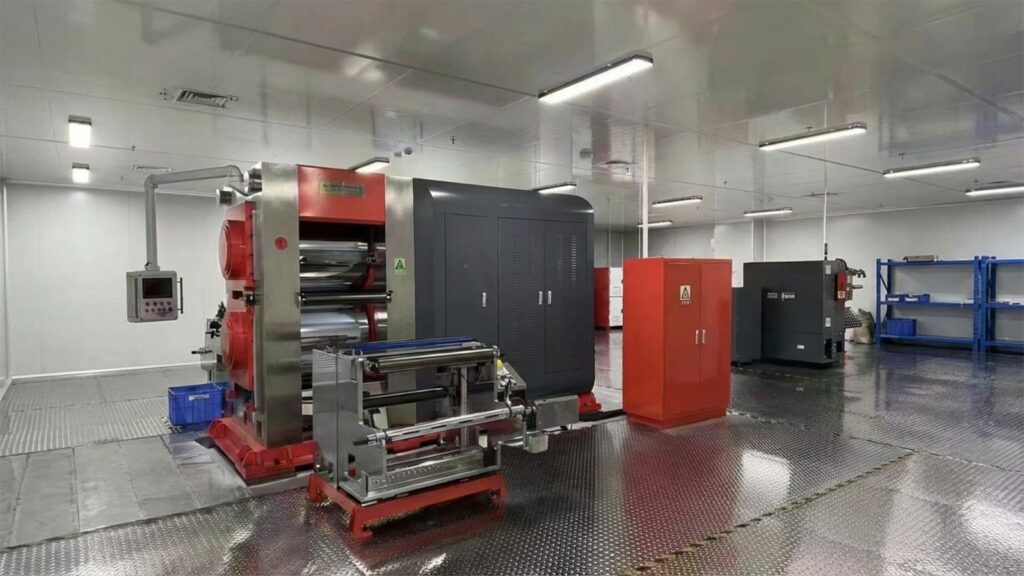
Manufacturing Area

Sensitive environment where normal discussion can be cautious to aware in the manufacturing areas.


Speech Privacy Protection Products Highlights

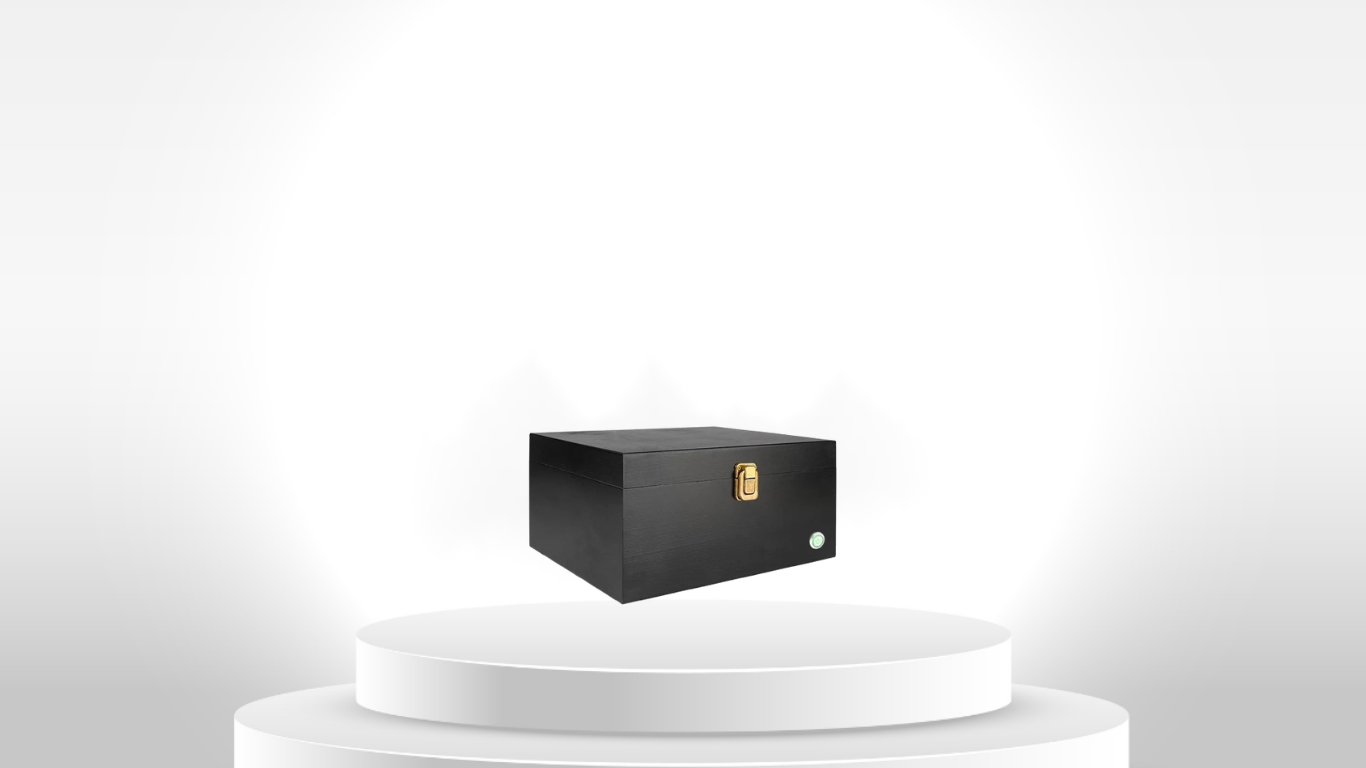
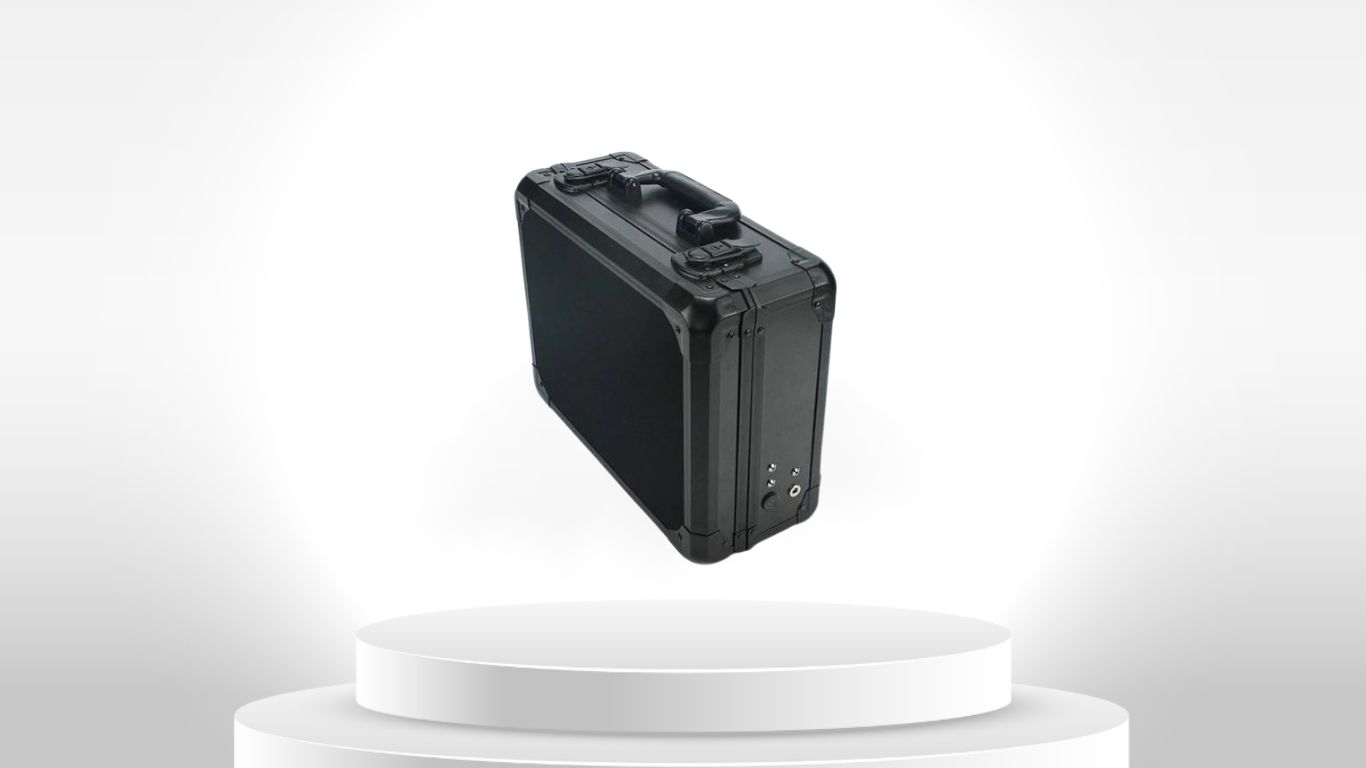
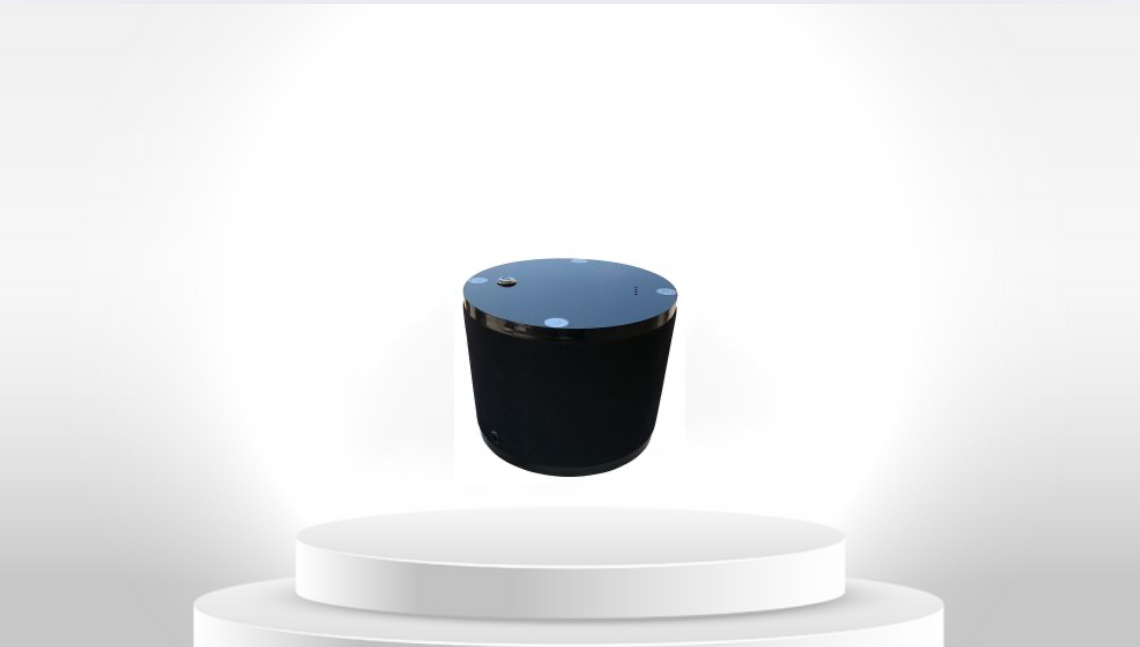
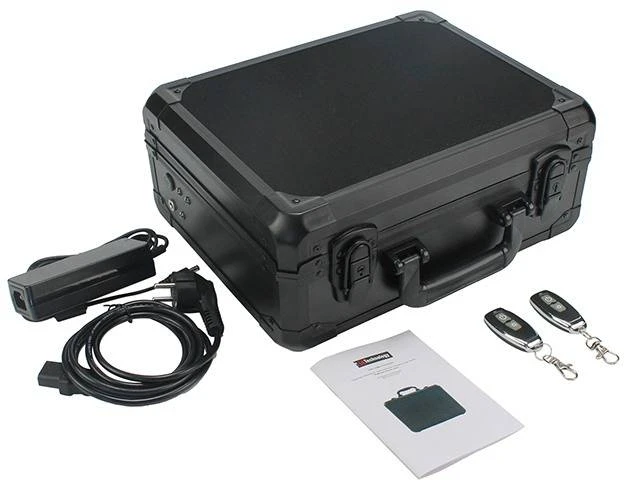
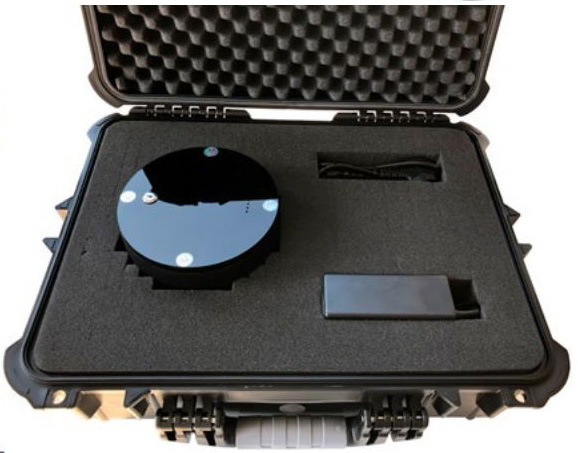
Microphone Suppression Kit X-Case

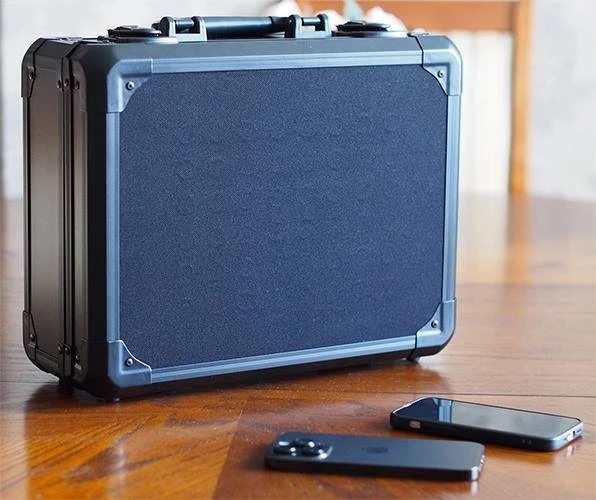
Portable Microphone Suppression Kit X-Case

A professional portable audio protection system for executive meetings, sensitive discussions and mobile deployments, designed to suppress unauthorized microphone recording without RF signal jamming.

Key capabilities:

48 ultrasonic transducers

Covert and overt operating modes

Mono-directional suppression

Battery or mains operation

Portable, travel-ready case

Designed for modern smartphone microphones

Scalable with multiple units

Designed for:

Executive protection, boardrooms, confidential negotiations, investigations and situations requiring rapid, portable audio privacy protection.

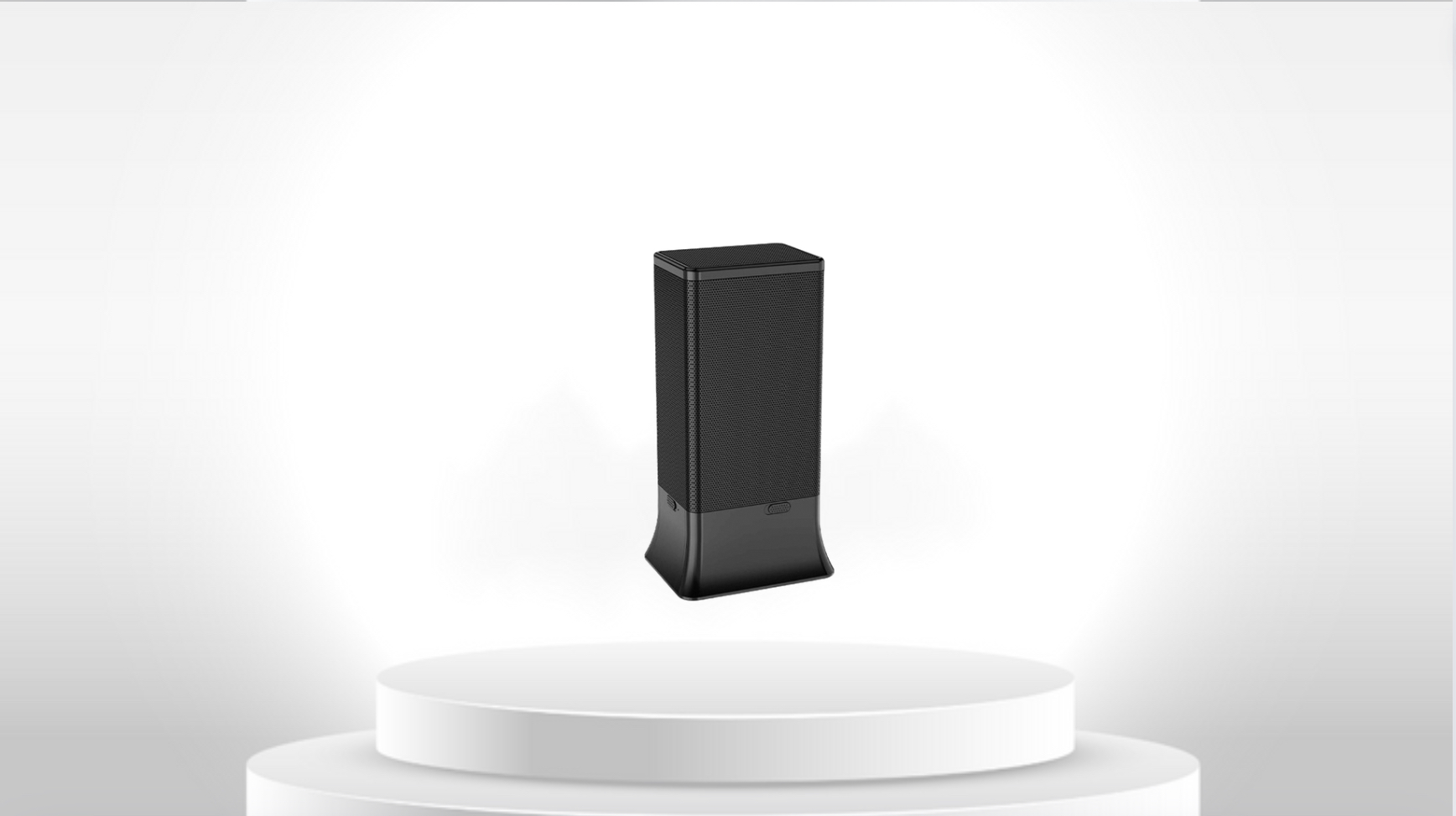
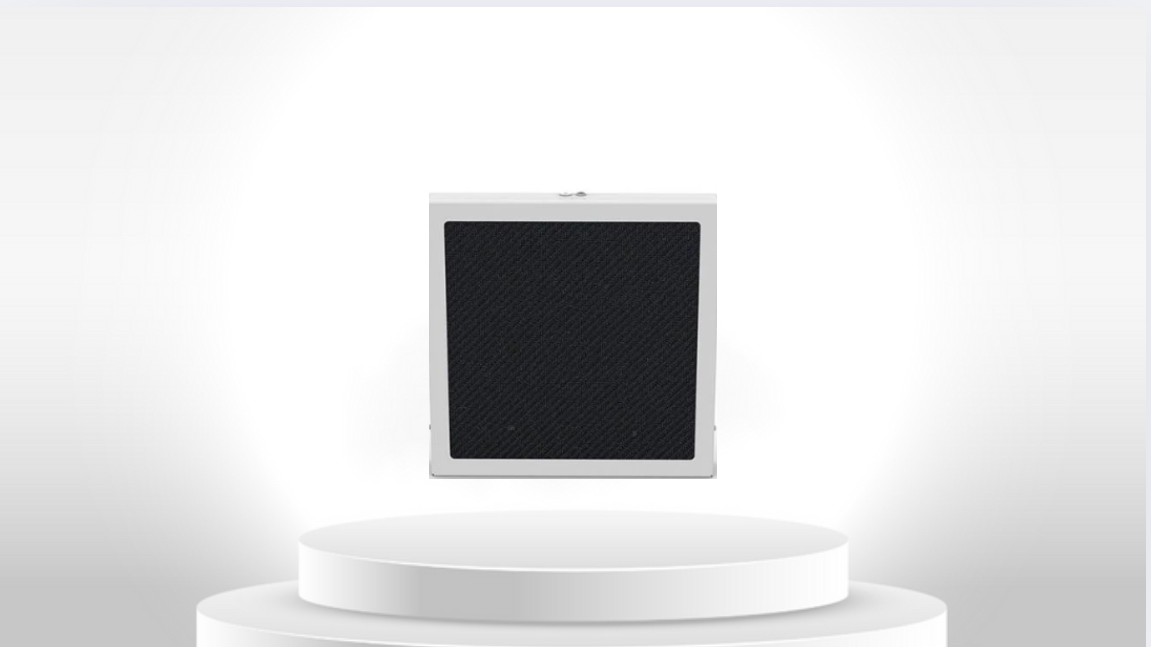
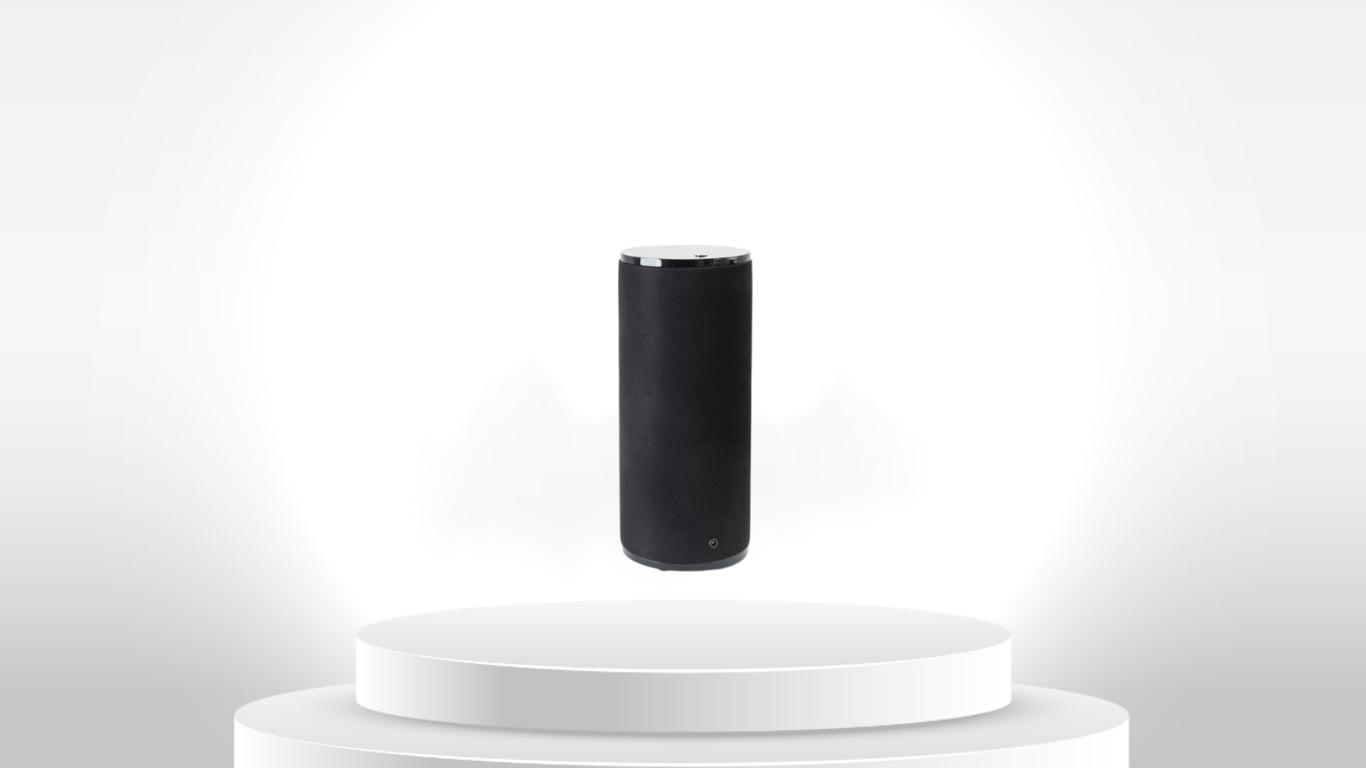
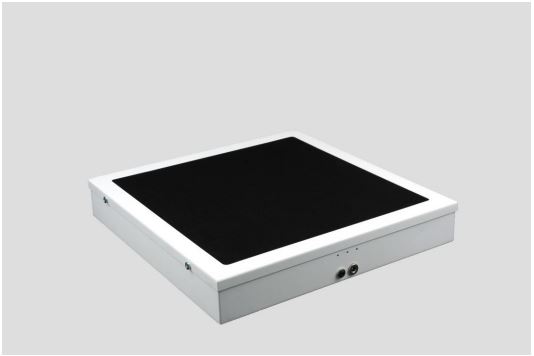
Wall Plate Audio Suppressor

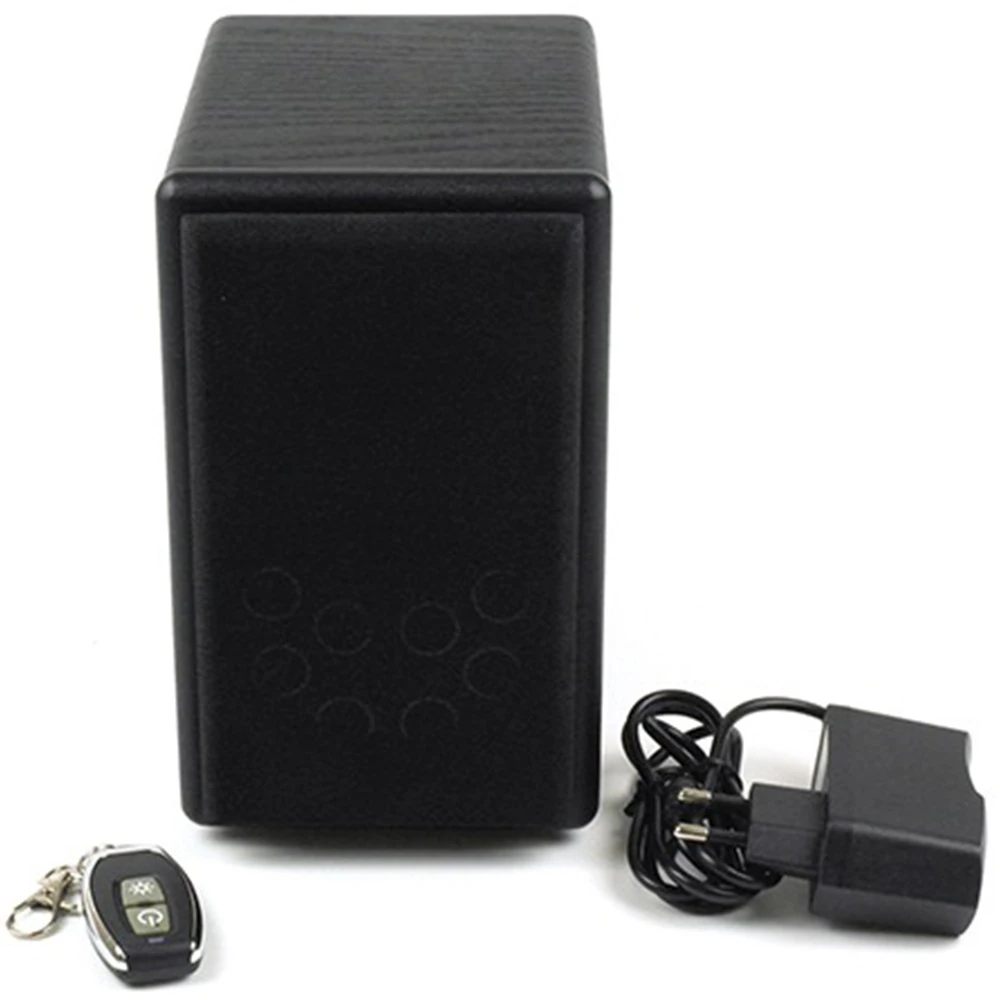
Wall Plate Audio Suppressor – 100 Ultrasonic Transducers

A fixed-room audio protection system designed for boardrooms, executive offices and permanent high-confidentiality environments.

Key capabilities:

100 ultrasonic transducers

20–40 kHz multi-frequency interference

Up to 4 m effective suppression range, with some devices suppressed up to 10 m

180° interference coverage

Optional white-noise mode

Remote control up to 30 m

110/220V mains operation

Designed for:

Boardrooms, secure offices, government facilities and permanent meeting spaces where confidential conversations require dedicated audio protection.

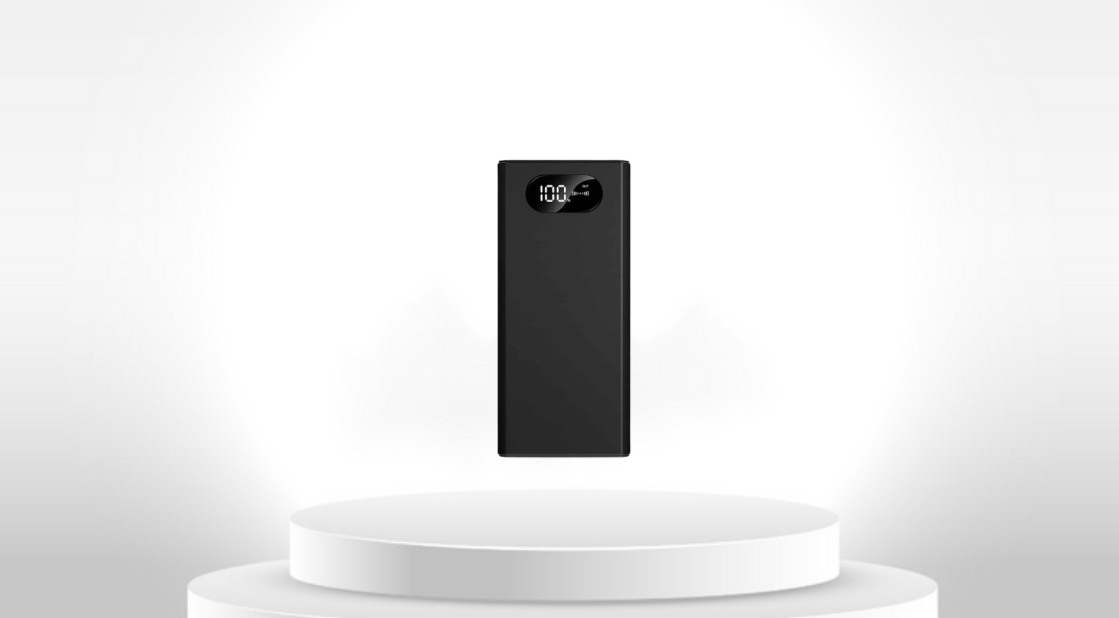
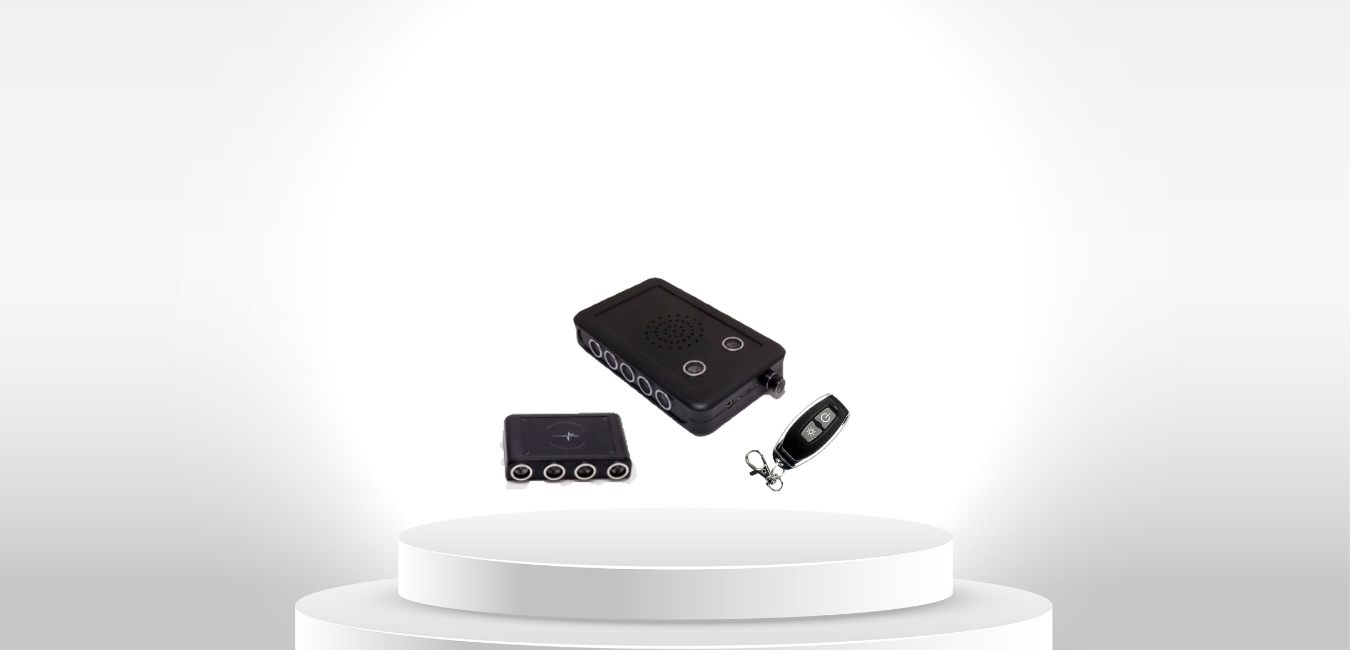
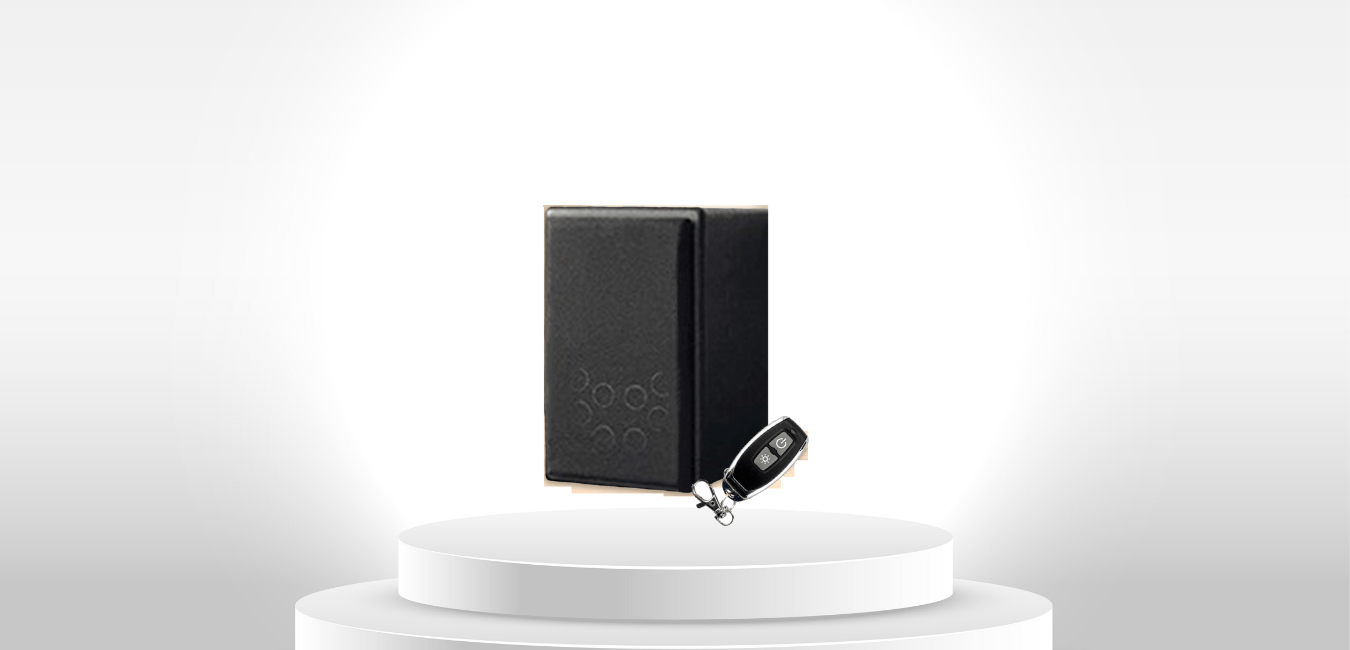
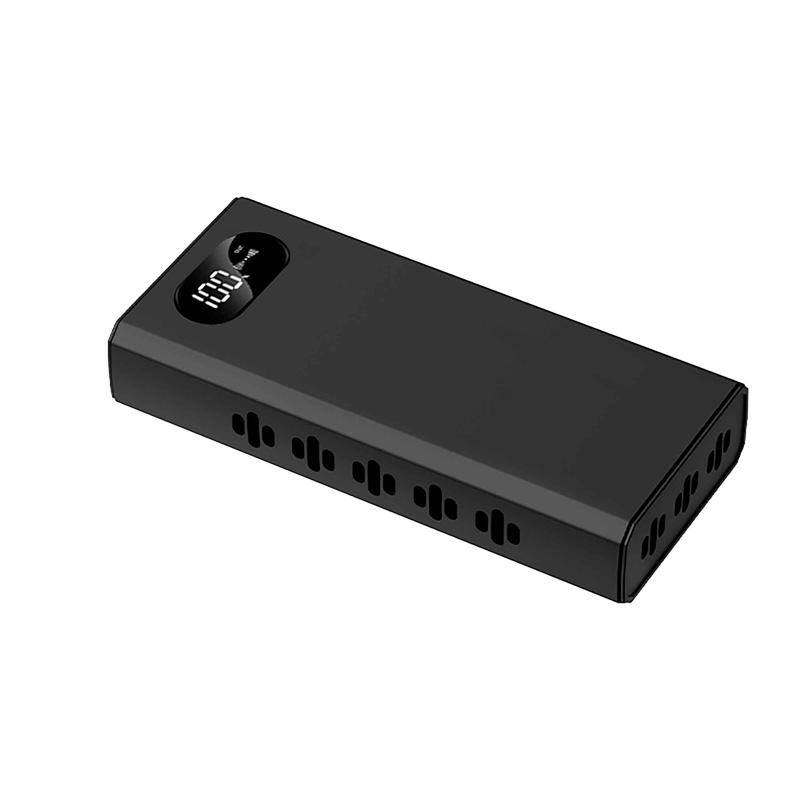
Power Bank Style
Anti-Recorder

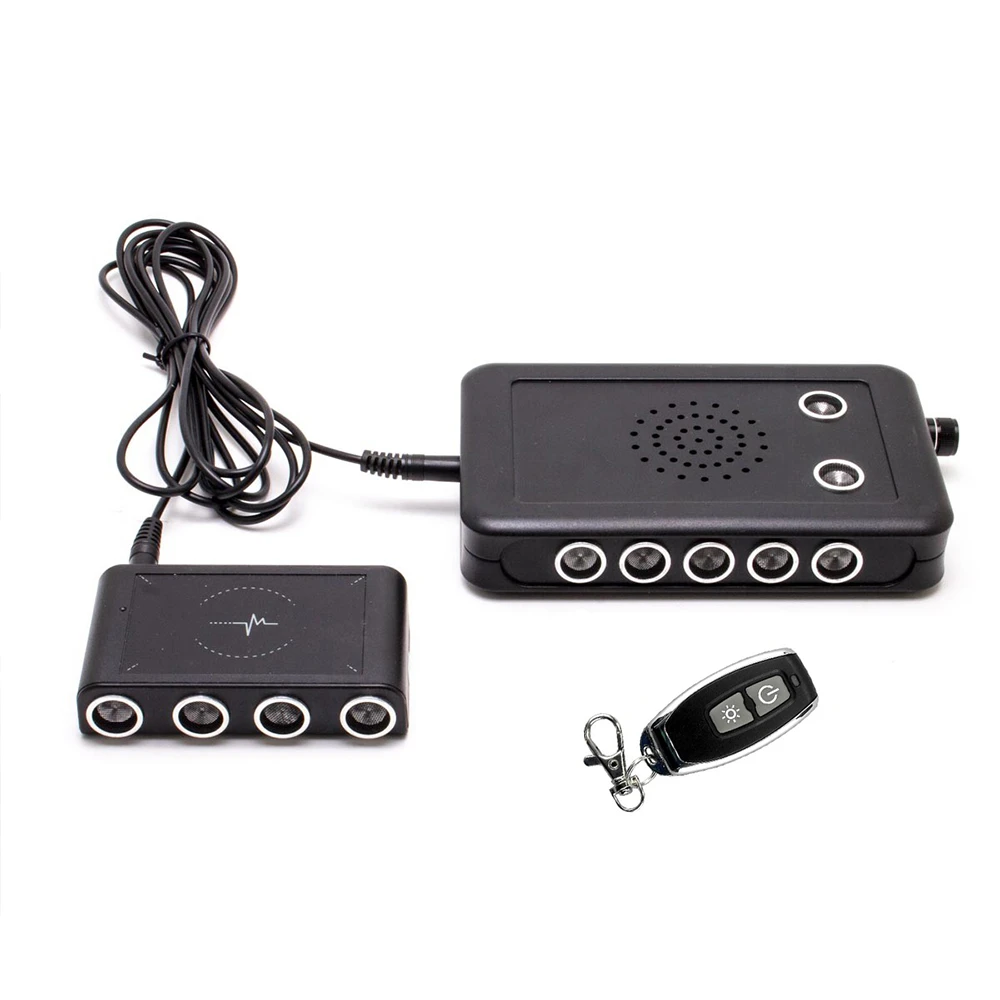
Power Bank Style Anti-Audio Recording

A discreet, rapidly deployable audio protection device disguised as a functional power bank for close-proximity conversation protection.

Key capabilities:

Silent ultrasonic interference

Up to 1.5 m interference range

300° anti-recording coverage

8,000 mAh rechargeable battery

Remote control up to 20 m

Designed to interfere with microphones in phones, listening devices and hidden or non-hidden cameras

Designed for:

Executive travel, confidential meetings, personal security and situations where discreet, portable audio protection is required.

Anti Recording & Speech Privacy Protection – Advanced FAQ

Yes. Ultrasonic microphone suppression is designed around a known property of many microphone circuits: strong ultrasonic signals can interact with microphone hardware nonlinearity and create interference in the recorded audio. Research has demonstrated this approach against smartphones and other commodity microphones.

Actual performance depends on the recording device, microphone design, distance, positioning, acoustic environment and suppression system used.

It can potentially interfere with the microphone used by a hidden or WiFi-connected camera, but it does not disable the camera itself.

If the camera contains a microphone that is within the effective suppression area, ultrasonic audio suppression may affect the captured audio. The camera’s video function, WiFi connection or power supply is not necessarily affected.

This distinction is important:

Audio suppression ≠ camera detection ≠ WiFi disruption.

The result depends on the microphone, camera design, distance, orientation and the specific suppression technology.

Potentially, yes — and this is one of the important advantages of acoustic protection.

Unlike a detection system, the operator does not necessarily need to locate the microphone first. Ultrasonic suppression can target microphones within its effective coverage area, including microphones that may be concealed.

However, coverage is not automatically uniform. Directionality, transducer placement, distance and environmental conditions can create areas of reduced effectiveness. Research has specifically identified directionality and coverage blind spots as important limitations of ultrasonic microphone jamming.

The technology is designed to use ultrasonic energy that is generally intended to be inaudible to people while interacting with microphone hardware.

However, acoustic output, frequency range, installation and operating levels vary between products. Users should follow the manufacturer’s operating requirements and applicable safety guidance for the specific deployment.

Not necessarily.

Ultrasonic microphone suppression is fundamentally an acoustic counter-surveillance technology, not an RF jammer. Its purpose is to interfere with microphone recording rather than block WiFi, Bluetooth or cellular communications.

This makes it technically different from RF-based signal jamming.

It should not be described as a universal guarantee.

The objective is to make captured speech less intelligible or otherwise compromise usable audio recording. Effectiveness varies between smartphones and recording systems.

Independent research has demonstrated substantial reduction in speech recognition under ultrasonic jamming, while also showing that effectiveness depends on the device and conditions.

Some professional systems are specifically designed with modern noise-cancelling smartphones in mind.

For example, the PBN-TEC Wall Plate Audio Suppressor uses multiple ultrasonic transducers and is marketed for protection against modern noise-cancelling smartphones.

However, noise cancellation, microphone arrays and computational audio processing can affect performance. Buyers should evaluate the specific system against the devices and environment they need to protect rather than assuming universal coverage.

Multiple transducers can increase coverage and allow a system to protect a larger or more controlled area.

The trade-off is that acoustic systems can have directional characteristics and potential coverage gaps. This is why the number of transducers alone should not be treated as a measure of effectiveness.

Portable systems are suited to executive travel, temporary meeting rooms, mobile operations and changing environments.

Fixed systems are better suited to boardrooms, secure offices and permanent confidential spaces where the protection system can be positioned and configured for the room.

The correct choice depends on room size, microphone threat, coverage requirements, installation constraints and operating procedure.

No.

They solve different problems.

TSCM: Detect → Locate → Investigate

Audio Protection: Protect → Reduce Capture → Preserve Conversation Privacy

A TSCM sweep attempts to identify technical surveillance threats. Audio suppression provides a defensive layer when a recording device cannot be identified, removed or reliably controlled.

For high-risk environments, the two approaches can be complementary.

  • Yes.

    That is one of its primary strategic uses.

    TSCM detection is generally an identification and investigation process. Audio protection can provide a preventive layer during the conversation itself.

    This is particularly relevant for sensitive meetings where the consequences of an unauthorized recording may be greater than the cost of deploying additional protection.

Some systems are designed for room-scale protection, while others are intended for shorter-range or directional coverage.

Coverage must be evaluated from the manufacturer’s specified range, transducer configuration, orientation and actual room conditions.

For example, PBN-TEC offers both portable and fixed systems, including the X-Case and Wall Plate Audio Suppressor, reflecting different deployment requirements.

Yes, where the system is appropriate for the room and its use complies with applicable laws, regulations and organizational policies.

Fixed systems are particularly suited to controlled environments such as executive meeting rooms, boardrooms and secure offices.

For permanent installations, coverage planning and testing should be performed rather than relying only on the manufacturer’s nominal range.

LEGAL & REGIONAL USE (VERY IMPORTANT)

The answer depends on both the technology and the country of deployment.

The most important legal distinction is between:

RF jamming — deliberately interfering with wireless communications such as mobile, WiFi, GPS or Bluetooth.

and

Acoustic / ultrasonic microphone suppression — using acoustic energy to affect microphone recording rather than transmitting RF interference.

They should not be treated as the same technology. However, being non-RF does not automatically make an audio suppression system lawful in every jurisdiction.

Countries with particularly strict jamming regulations

🇬🇧 United Kingdom

Deliberately interfering with wireless telegraphy is a criminal offence under the Wireless Telegraphy Act. Ofcom does not generally authorise RF jammers for commercial use, and placing non-compliant jamming equipment on the market can also create legal liability.

🇦🇺 Australia

Australia has particularly strict rules on RF jamming equipment. Mobile, GPS, WiFi and drone jammers are subject to permanent bans, with serious penalties for possession, supply or operation unless a specific exemption applies.

🇩🇪 Germany / EU context

European privacy and communications laws can also be highly restrictive around surveillance and interception. In Germany, for example, unauthorized recording of non-public speech can itself constitute a criminal offence.

Before deployment, organizations should:

Verify the technology mechanism — confirm whether the product uses acoustic/ultrasonic energy or RF transmission.

Do not assume “private premises” means unrestricted use — workplace, privacy, safety and product-compliance laws may still apply.

Use the system only for its intended protective purpose — protecting confidential conversations, not interfering with public communications or third-party operations.

Conduct controlled testing before operational deployment — evaluate microphone coverage, room geometry and unintended effects.

Check local product and workplace requirements — particularly for permanent installations or imported equipment.

Consult qualified local legal or compliance professionals for high-risk deployments — especially government, healthcare, financial, defense and critical-infrastructure environments.


The practical rule

Do not classify a product simply as “legal” or “illegal” based on the word jammer.

Evaluate:

What technology does it use?
What does it interfere with?
Where will it be deployed?
Who may be affected?
Which national and sector-specific regulations apply?

For professional deployment, the safest approach is to treat acoustic microphone suppression and RF jamming as separate technologies requiring separate legal assessments.

Archthetic does not provide legal advice. Buyers and operators are responsible for confirming the legality, compliance requirements and permitted use of any technology in their intended jurisdiction before purchase or deployment.

🇬🇧 United Kingdom & 🇪🇺 European Union — Strong Spectrum and Product Compliance Rules

The UK prohibits deliberate interference with wireless telegraphy unless specifically authorised. Ofcom does not generally authorise commercial RF jammer use.

Across the EU, radio and electronic equipment placed on the market must comply with applicable safety, electromagnetic compatibility and product requirements. National laws can also introduce additional rules relating to workplace safety, privacy and the use of specialist equipment.

For ultrasonic audio suppressors: Evaluate the product separately from RF jammers. Check applicable product conformity requirements, workplace deployment rules and any country-specific restrictions before installation.

Middle East — UAE, Saudi Arabia & Other Gulf Markets

Regulation can vary significantly between jurisdictions and sectors.

Telecommunications equipment, security technologies and specialist surveillance-related products may be subject to import controls, approvals or restrictions depending on the country and intended user.

Government, critical infrastructure, defense and security deployments may also operate under separate procurement or authorisation frameworks.

Before shipment or deployment, verify both:

Product importability and operational permission.

They are not always the same thing.

Regulation across Southeast Asia is highly country-specific, but telecommunications authorities generally maintain strict control over equipment capable of interfering with licensed radio communications.

In Thailand, the NBTC has specifically warned that unauthorised signal-jamming equipment can breach telecommunications and radiocommunication laws, with serious penalties for certain unauthorised equipment and interference.

For ultrasonic audio suppressors: The compliance assessment should focus separately on importation, electrical/electronic equipment requirements, workplace use and the intended deployment environment.

Do not assume that private ownership or use inside a private meeting room automatically removes regulatory obligations.

Japan and South Korea maintain tightly regulated radio-spectrum and telecommunications environments.

RF interference equipment should be treated as high-risk and subject to strict regulatory controls.

For acoustic suppression technologies, buyers should separately verify:

  • Import and product certification requirements
  • Electrical safety requirements
  • Workplace deployment rules
  • Acoustic exposure considerations
  • Industry-specific restrictions

This is particularly important for enterprise, government and permanent installations.

Africa — Country-Specific Assessment Is Essential

Africa should not be treated as a single regulatory market.

Telecommunications, electronic equipment, importation and privacy rules vary significantly between countries.

For professional deployments, buyers should verify requirements with the relevant national telecommunications regulator, customs/import authority and applicable workplace or safety framework.

This is particularly important when importing specialist security technologies that may be unfamiliar to local customs classifications.

Australia — One of the Strictest RF Jamming Environments

Australia explicitly bans mobile, GPS, WiFi and drone jammers. The restrictions can apply to possession, supply and operation, with significant penalties.

The rules are aimed at equipment that disrupts radiocommunications.

For ultrasonic audio suppressors: An acoustic system should not automatically be classified as an RF jammer, but buyers should still verify Australian product compliance, electrical safety and any applicable acoustic exposure requirements before importing or deploying equipment.

Latin America — Verify Both Telecommunications and Import Rules

Latin American jurisdictions vary considerably.

RF jamming equipment should generally be treated as a high-risk regulatory category because of its potential to interfere with licensed communications.

For acoustic microphone suppression technologies, legality may depend less on a specific “jammer” prohibition and more on:

  • Product certification
  • Importation requirements
  • Electrical safety
  • Workplace regulations
  • Privacy and recording laws
  • The intended use of the system

Country-specific verification is recommended before shipment.