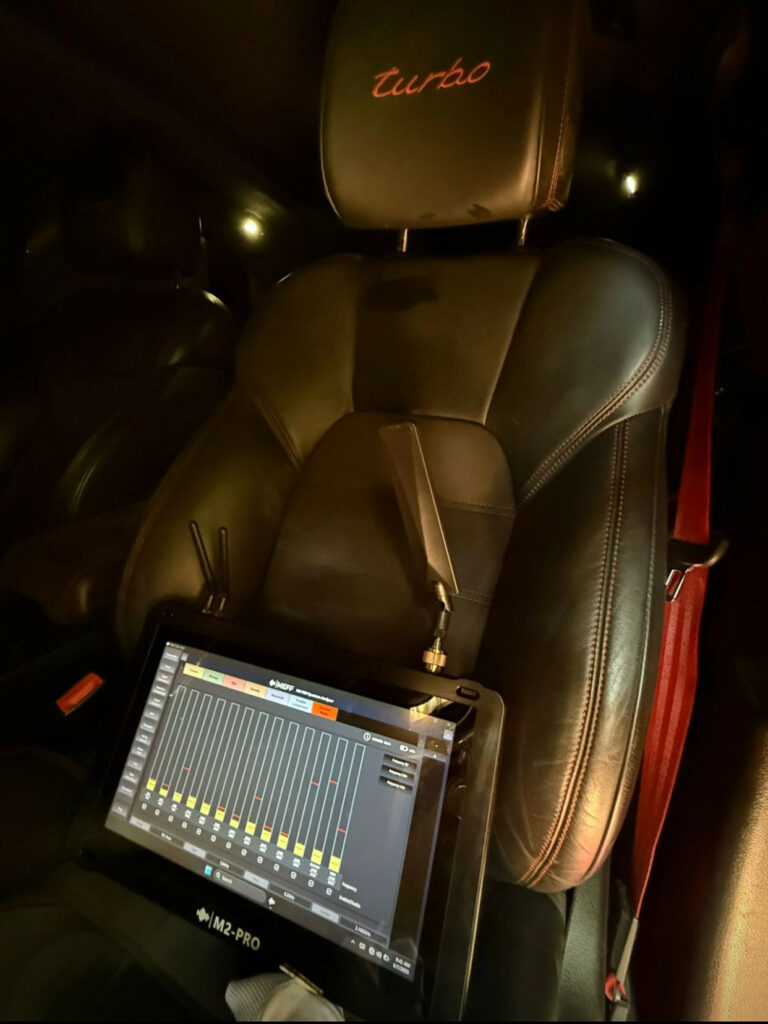
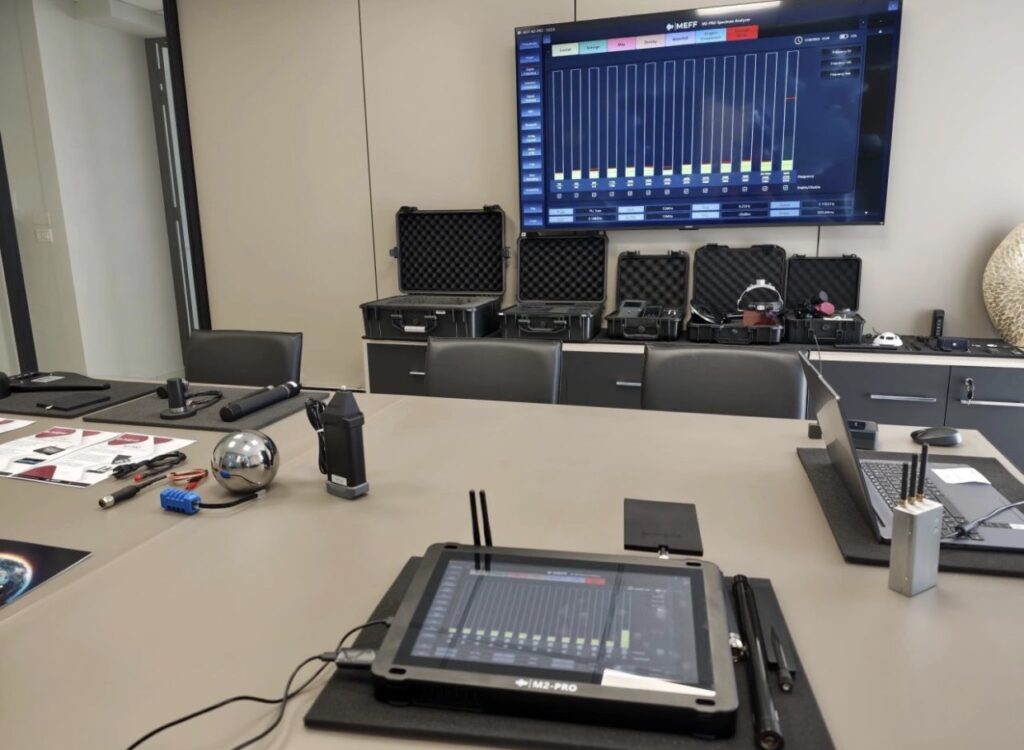
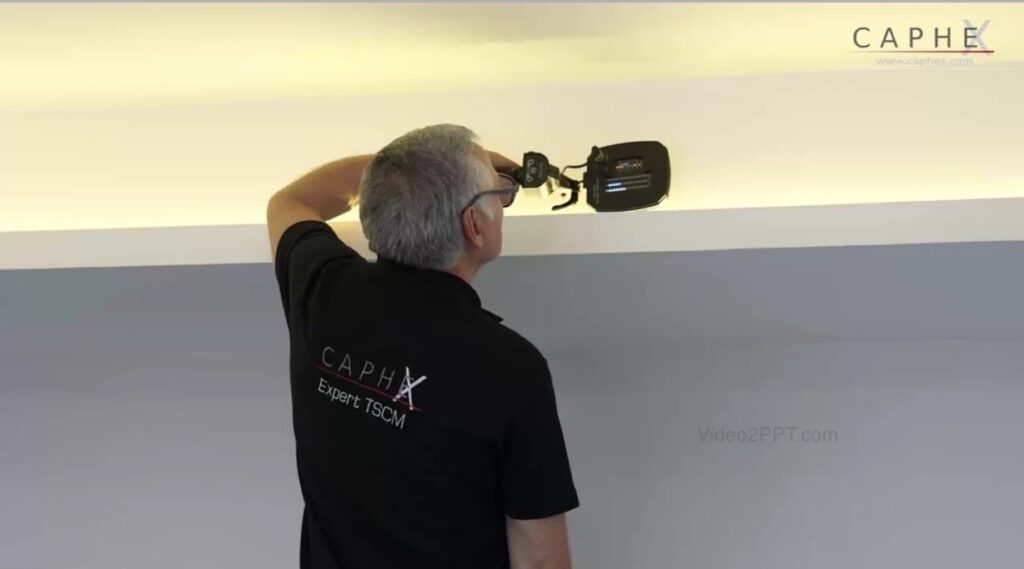
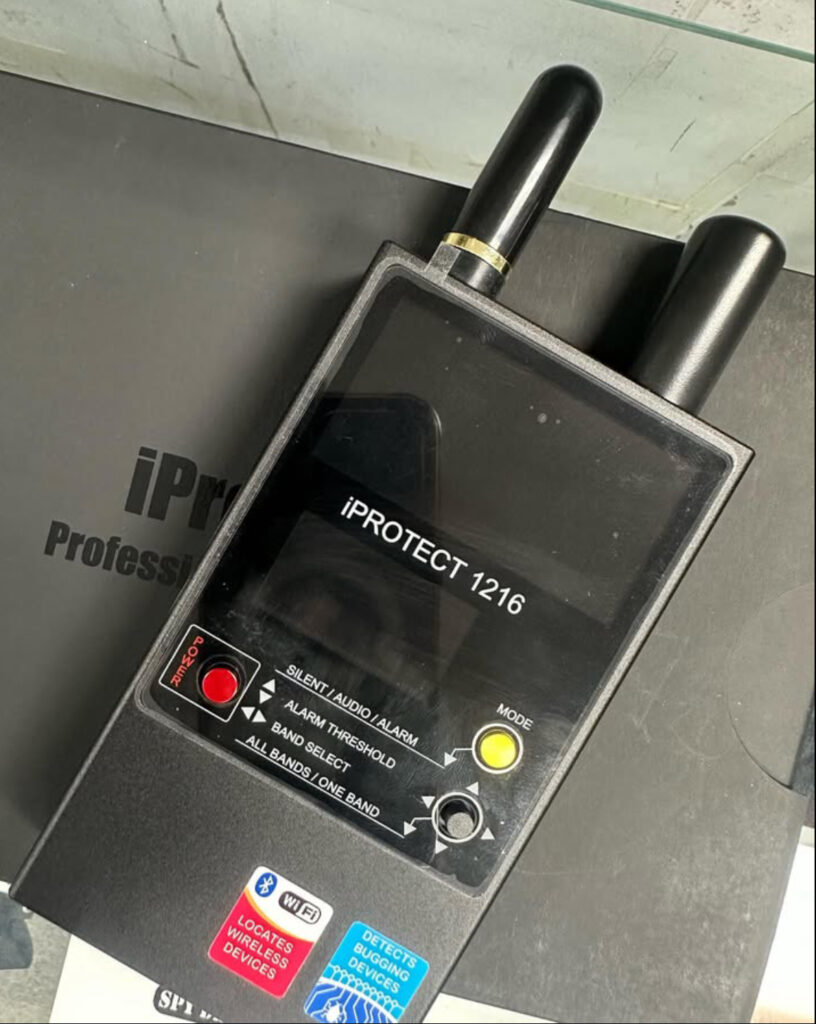
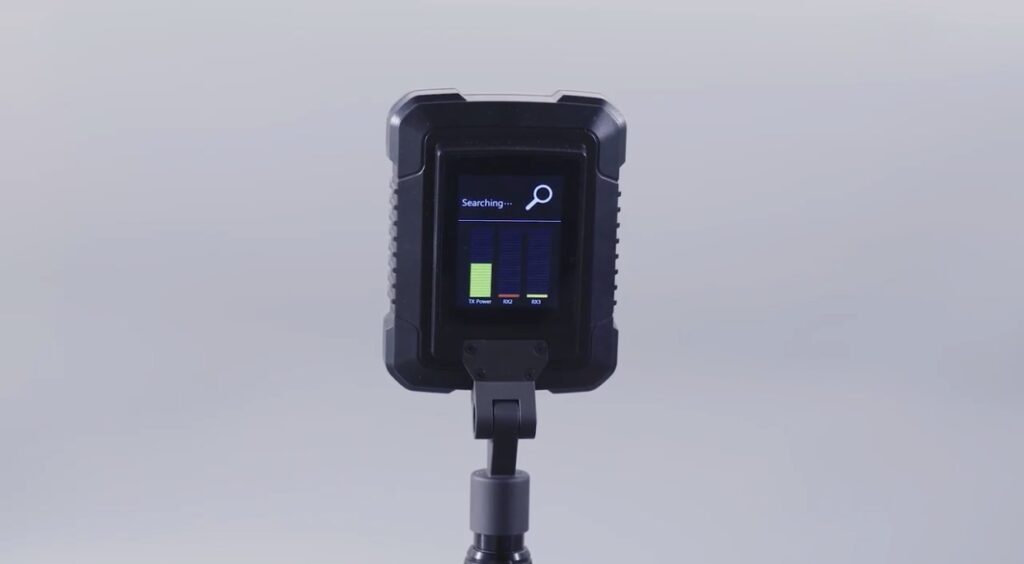
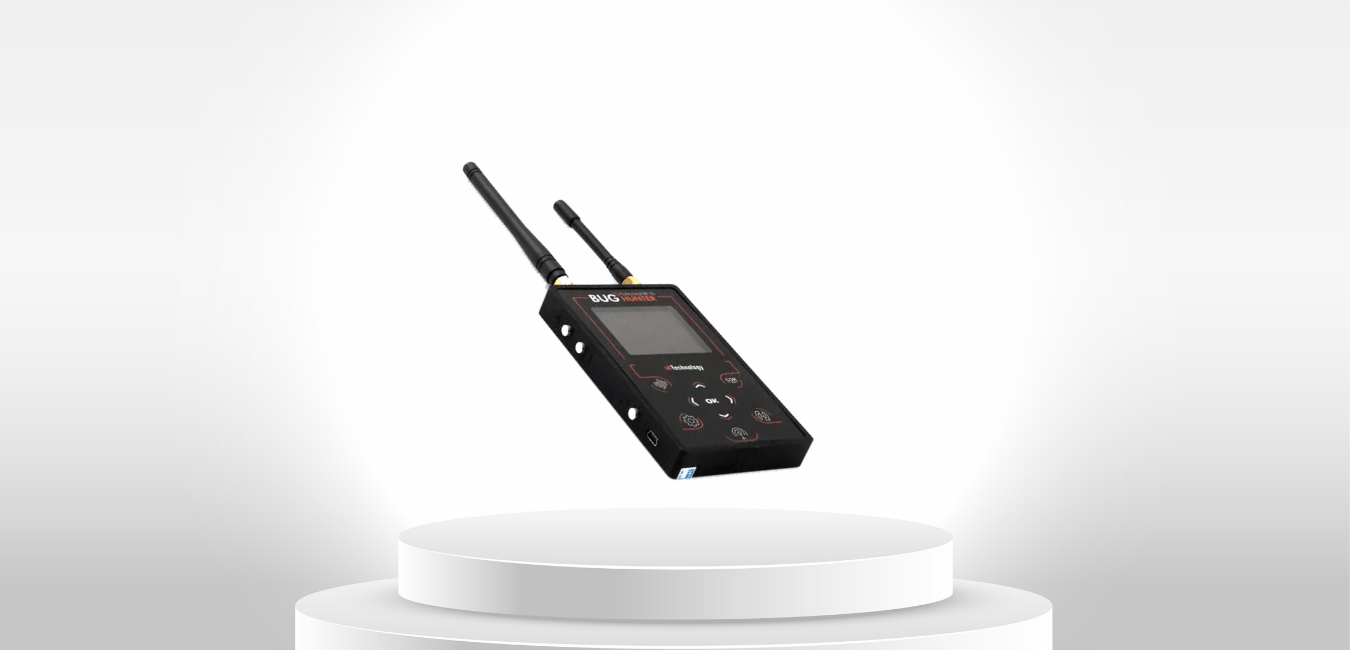
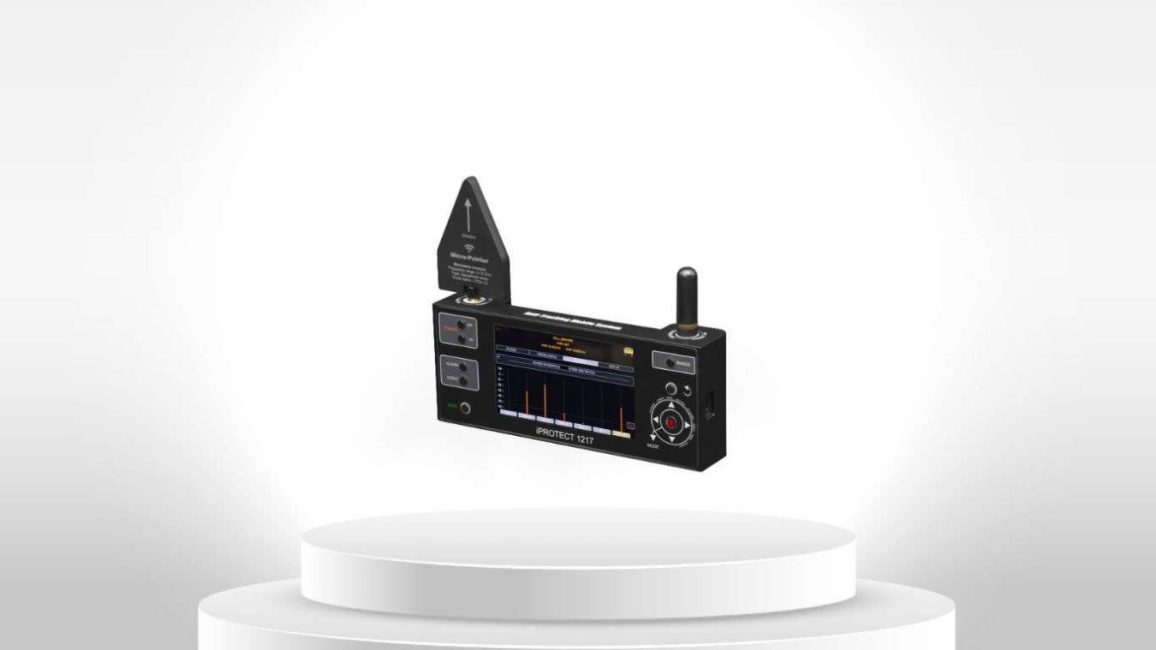
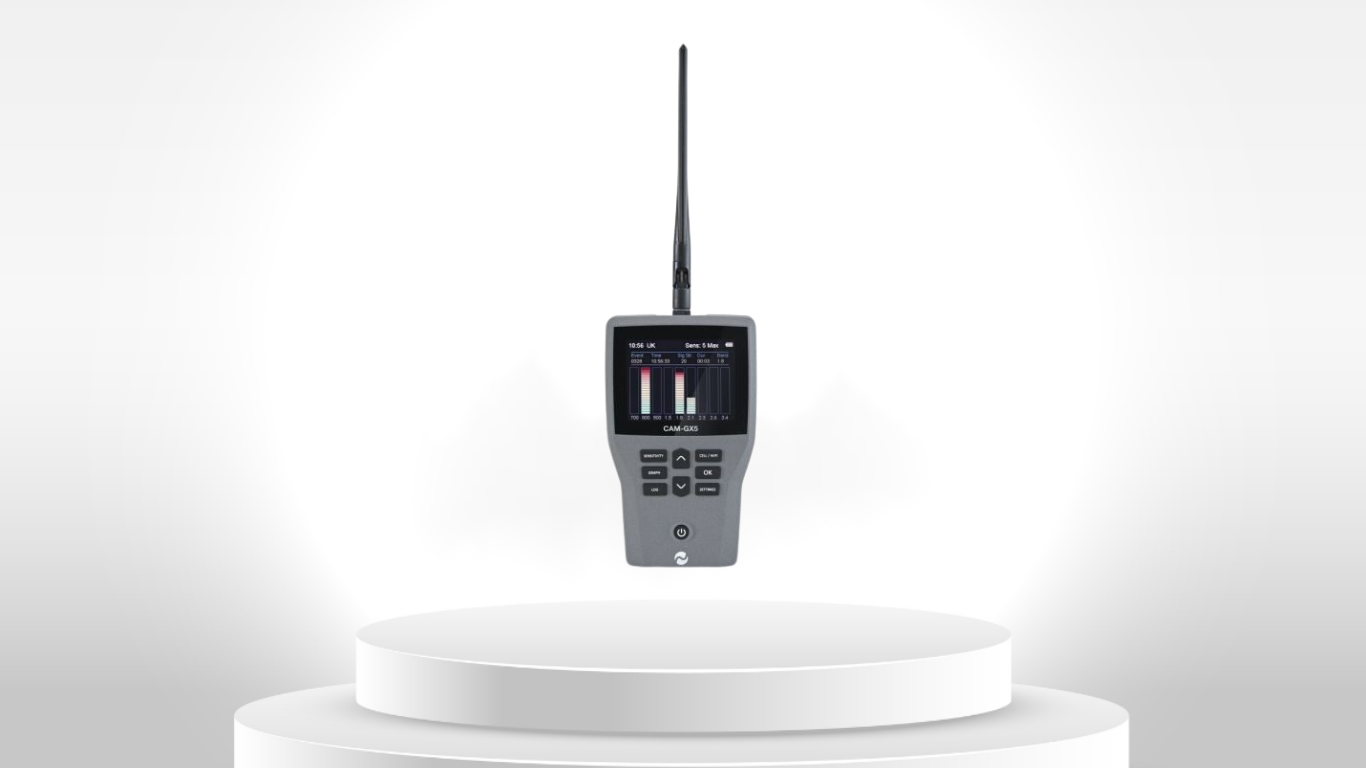
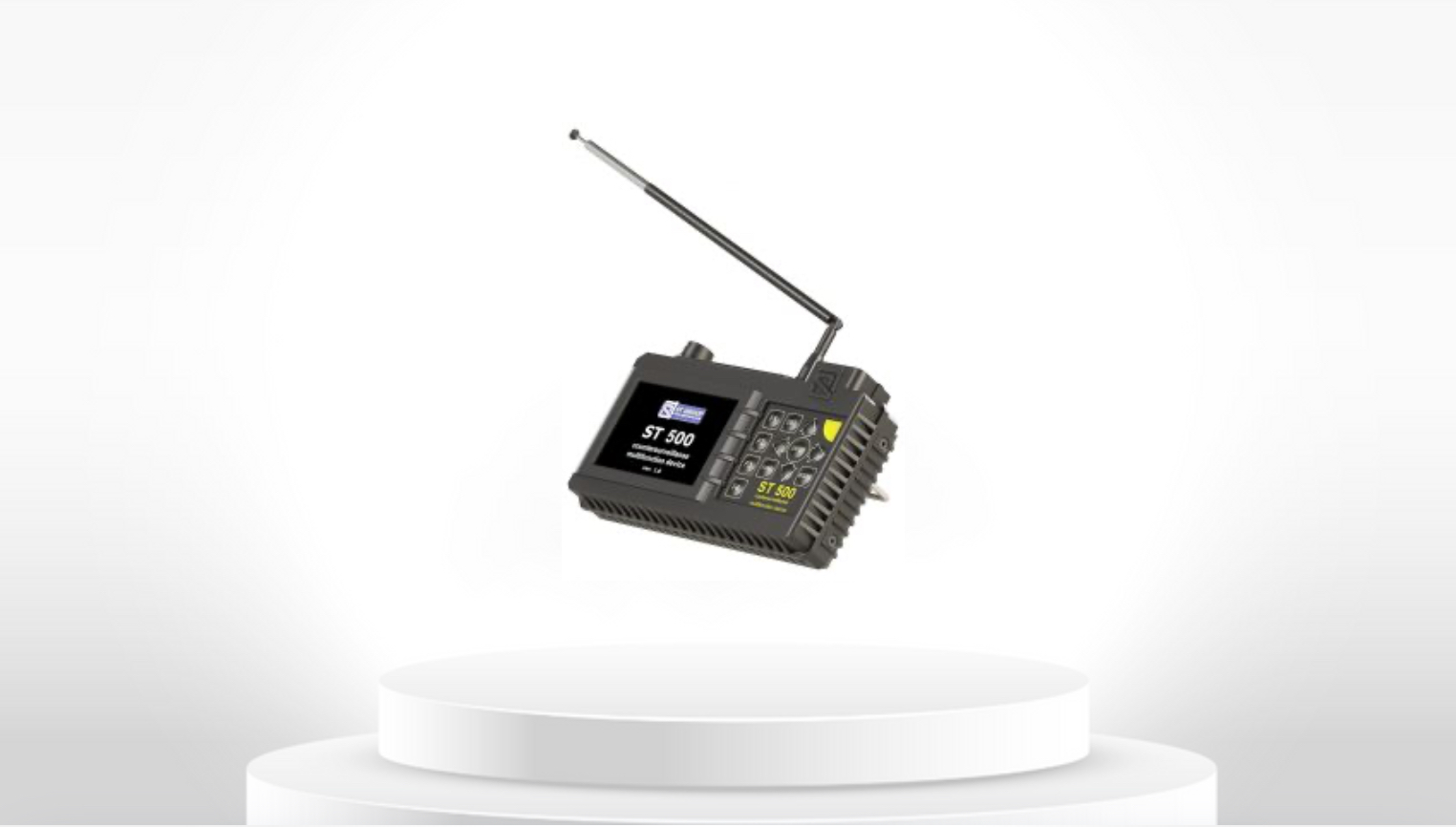
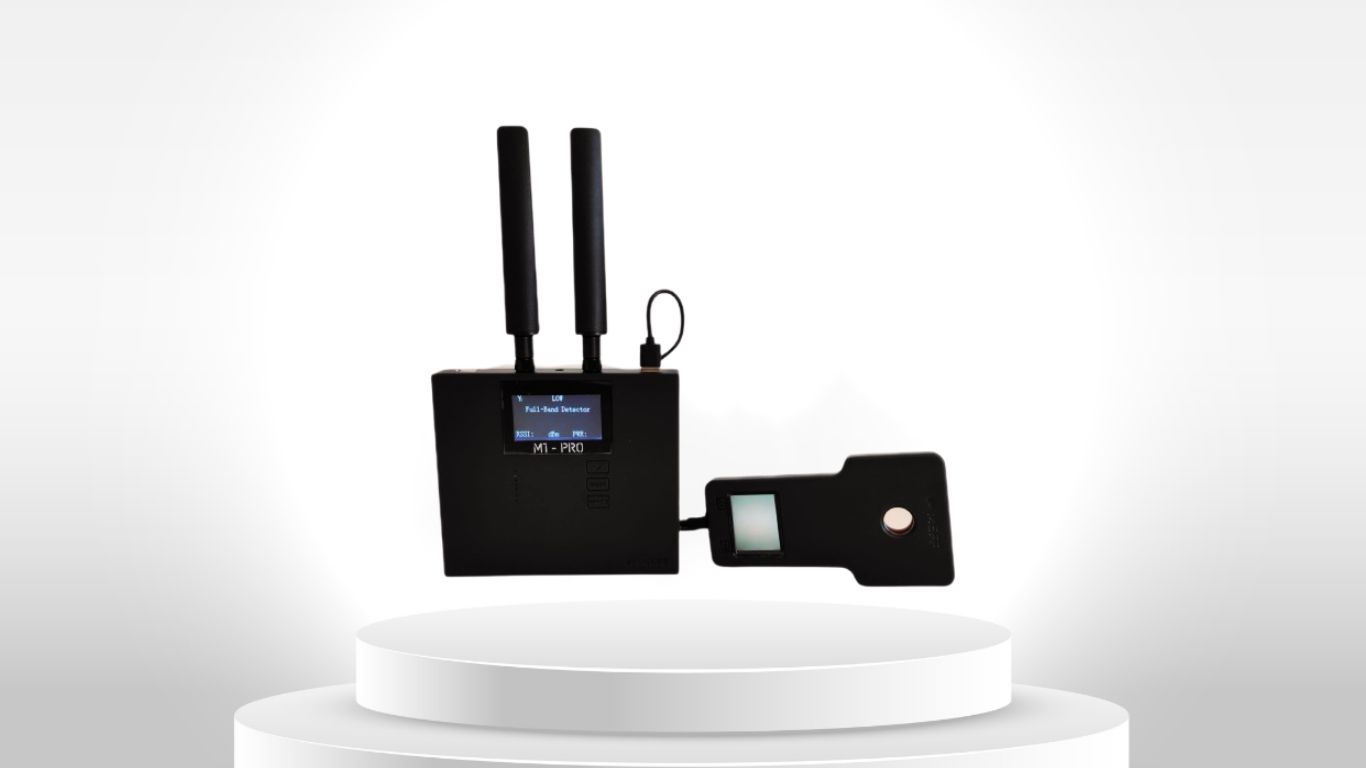
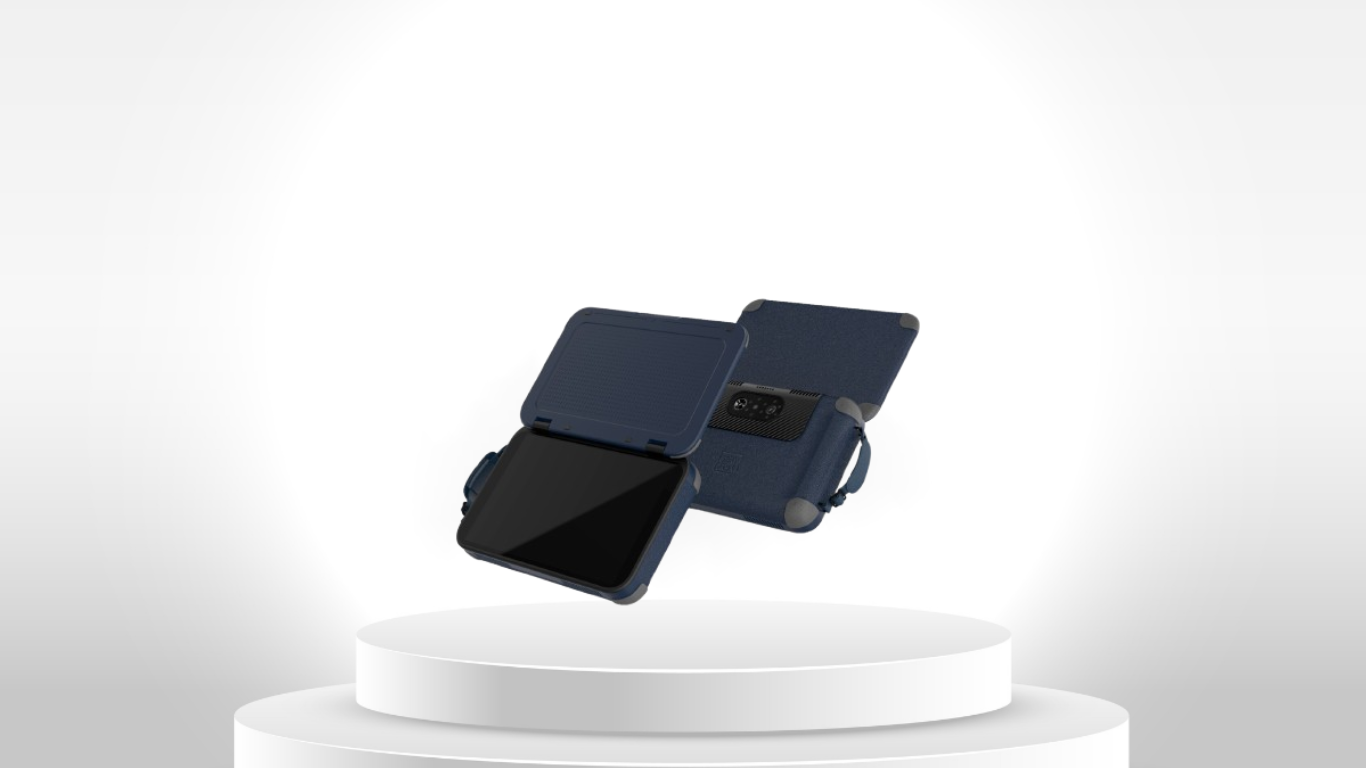
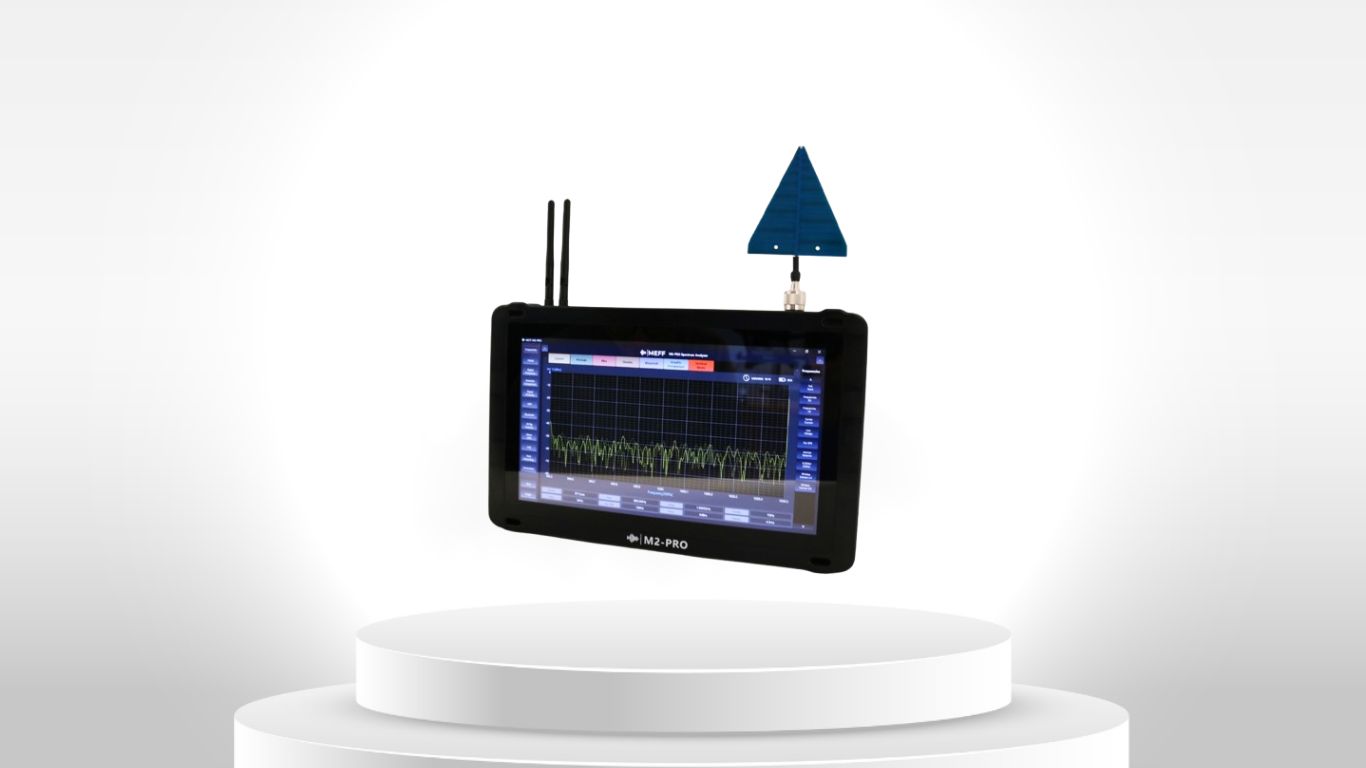
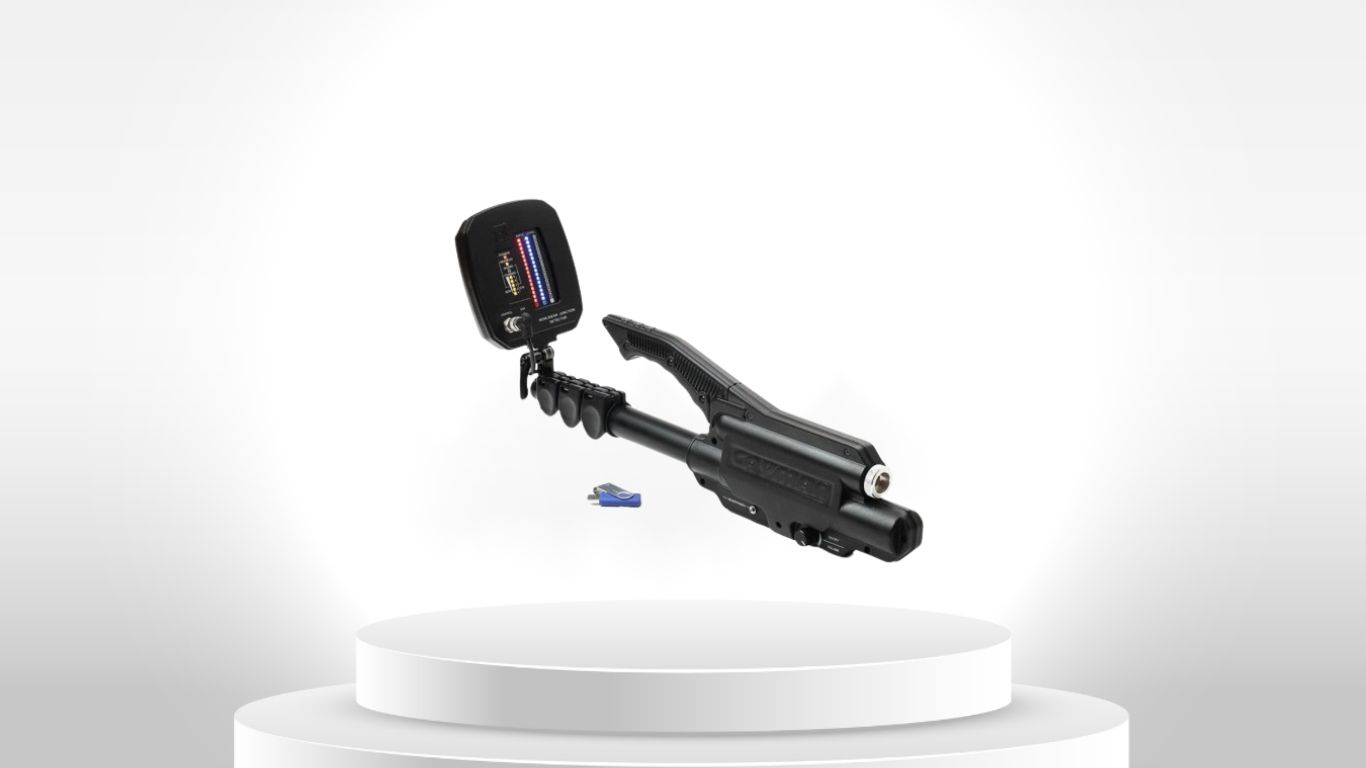
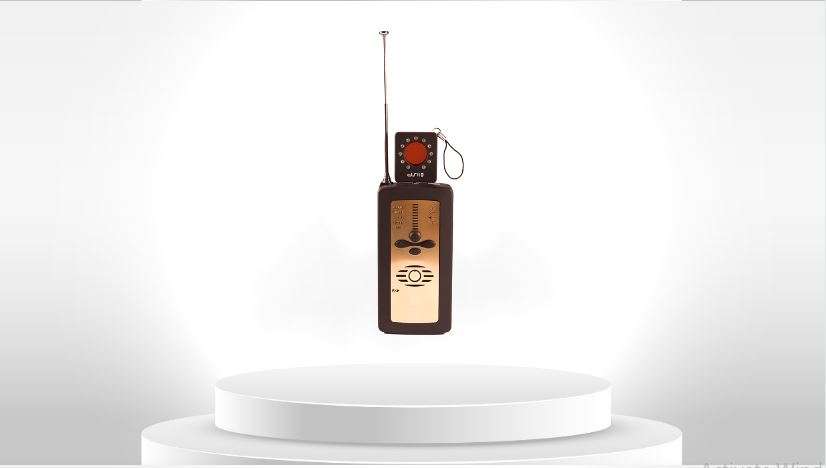
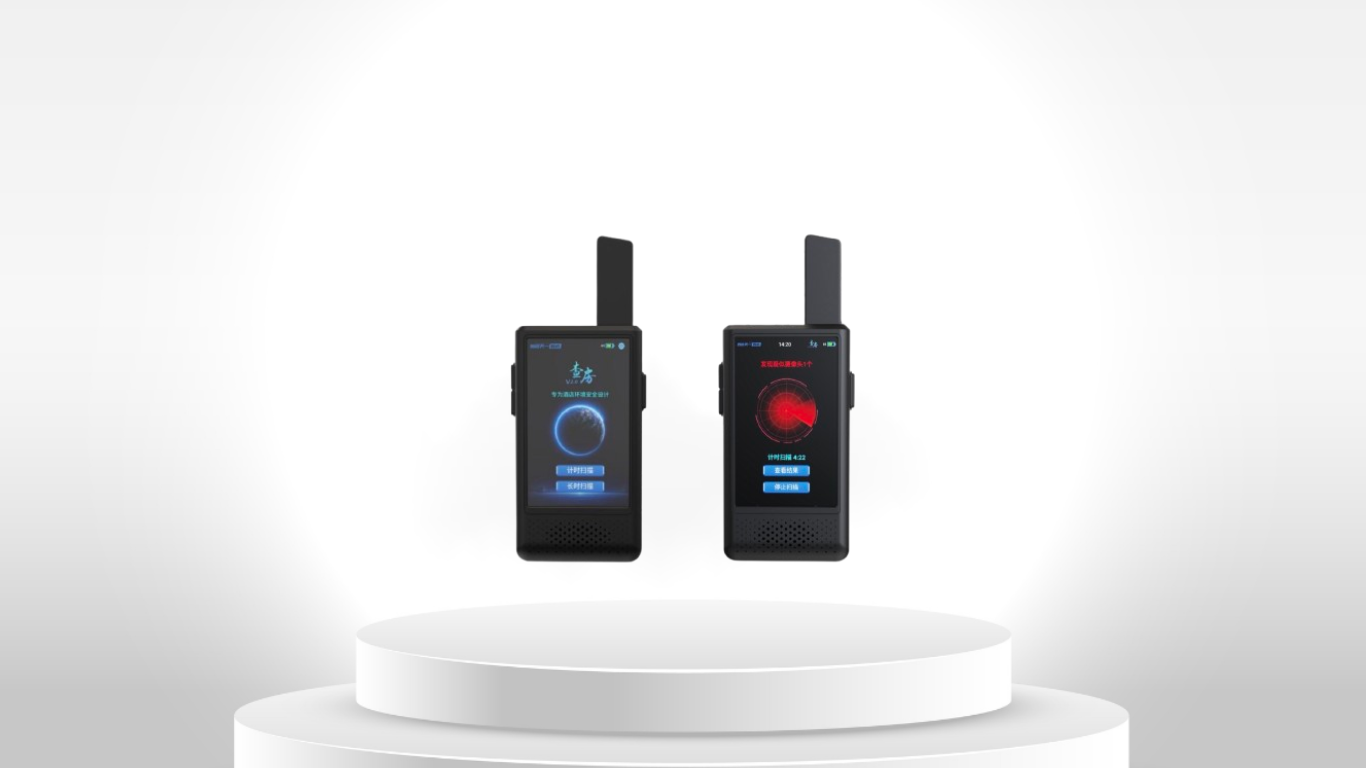
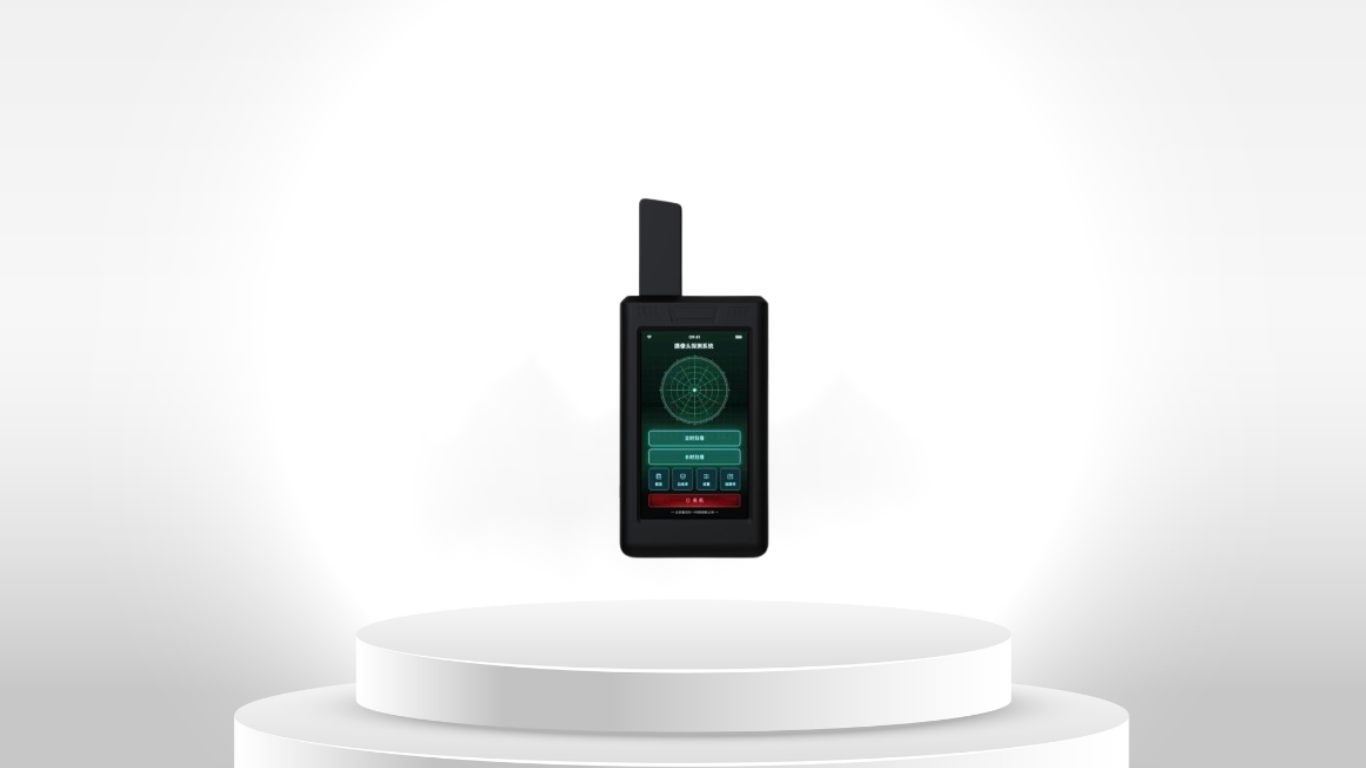
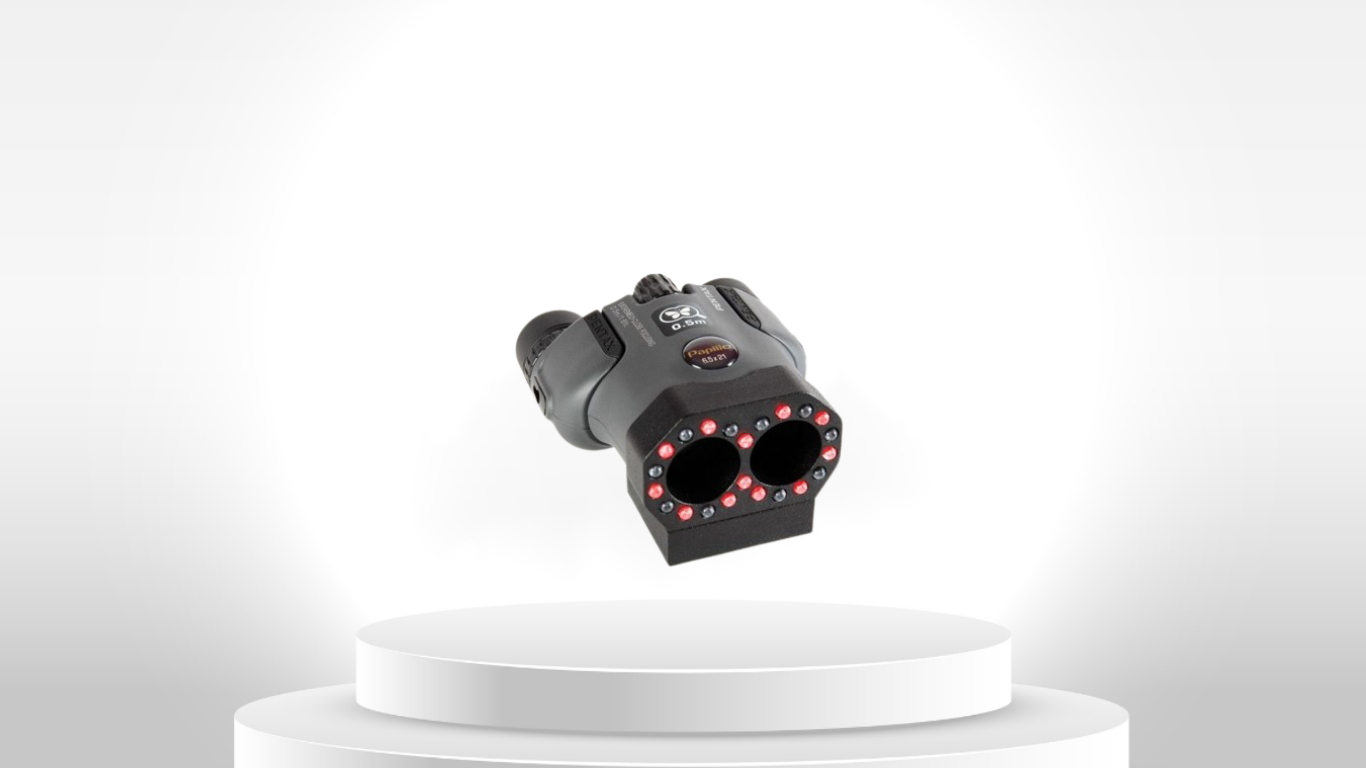
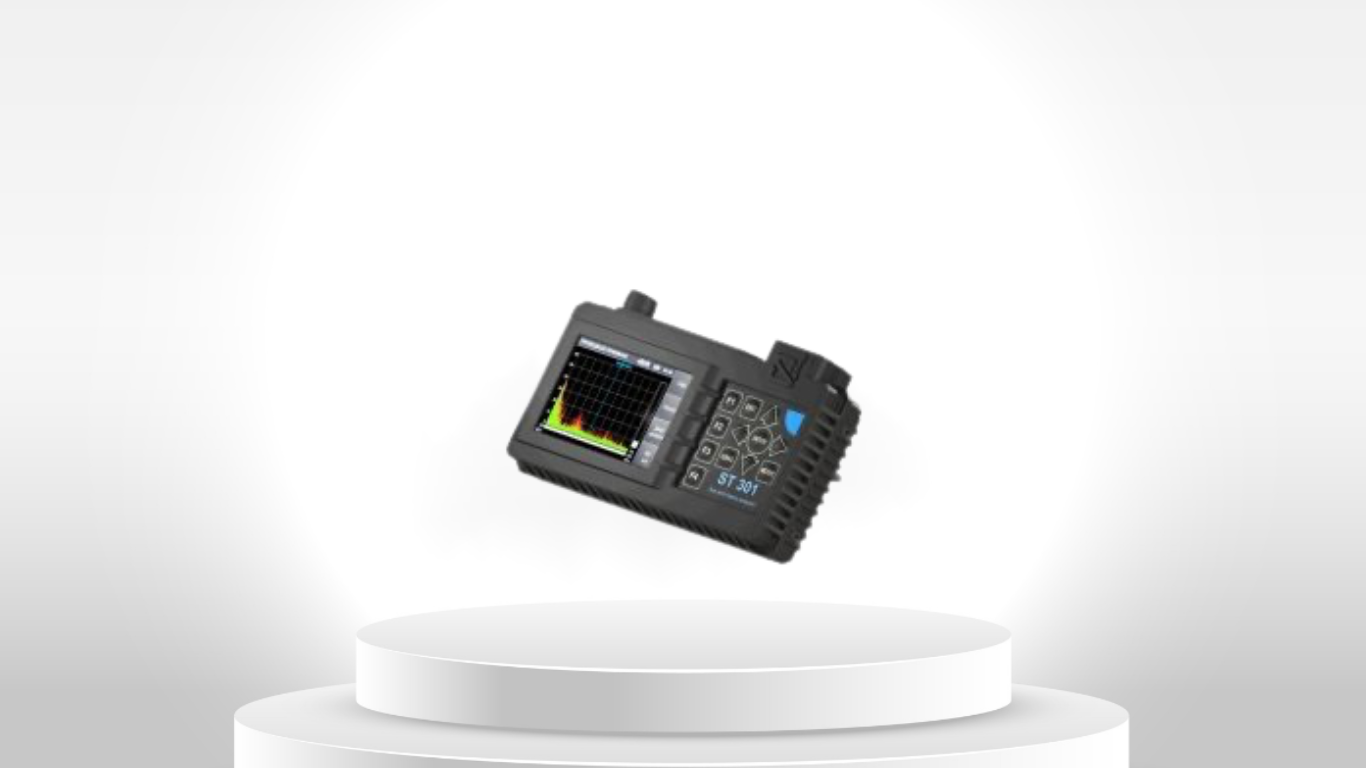
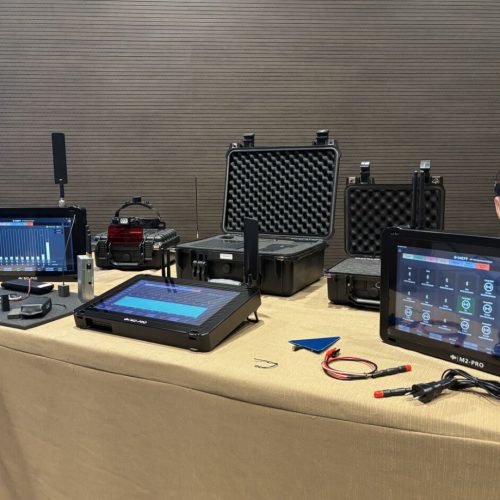
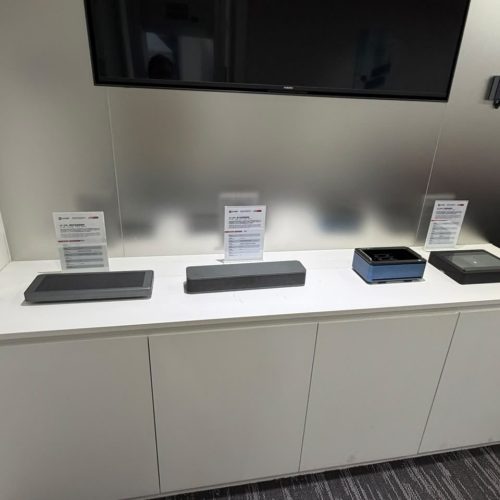
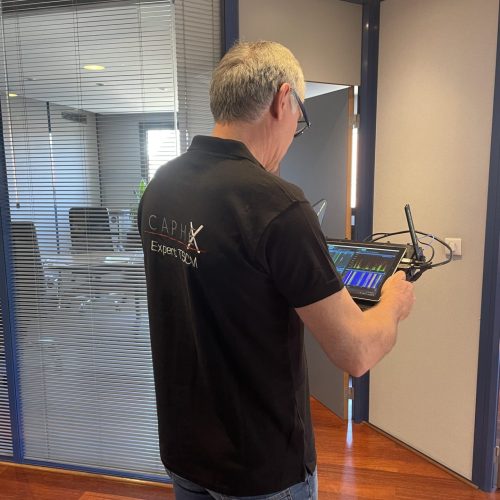
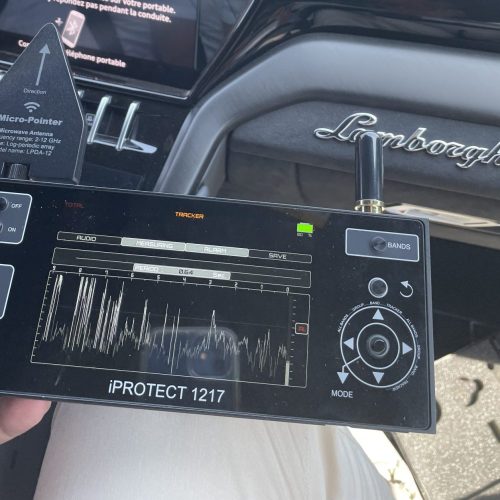
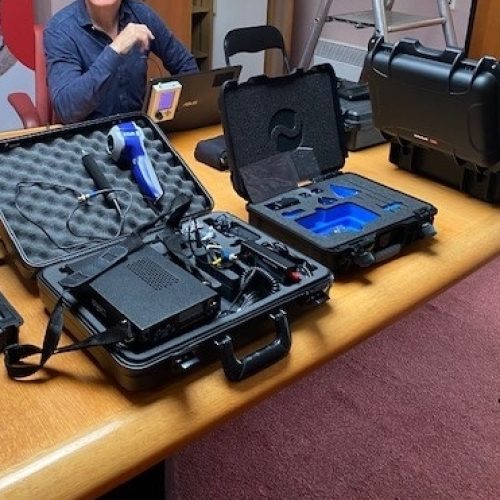
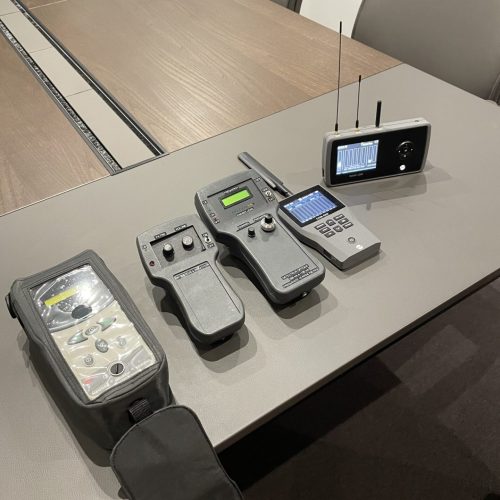
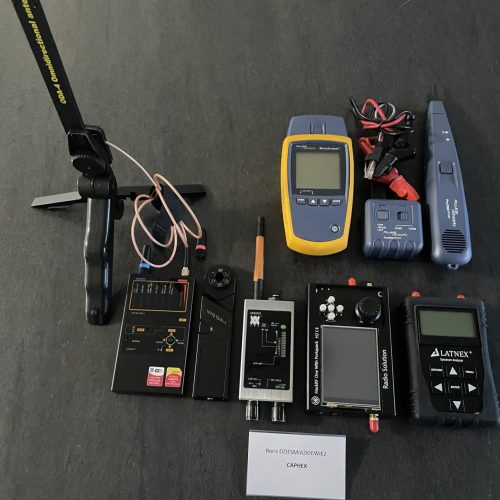
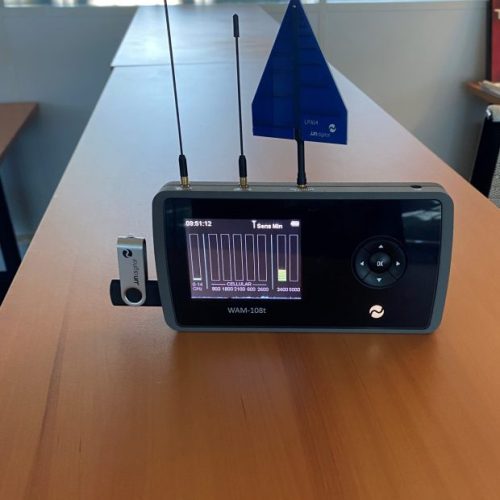
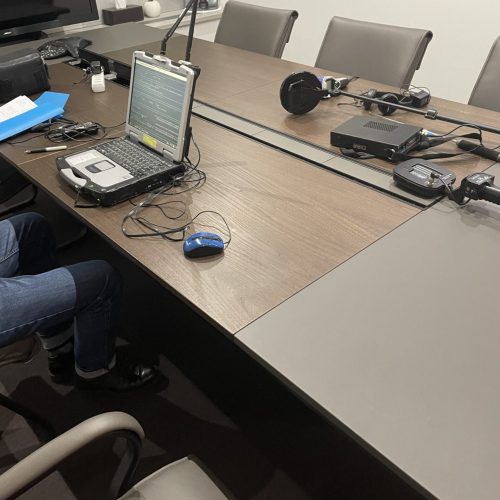
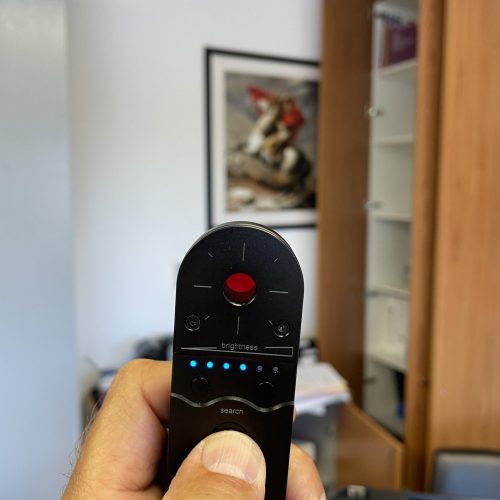
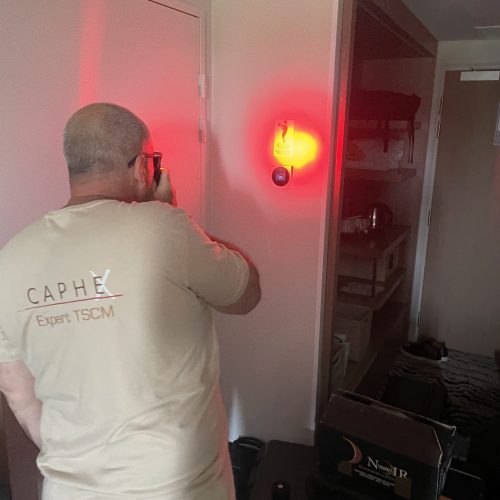
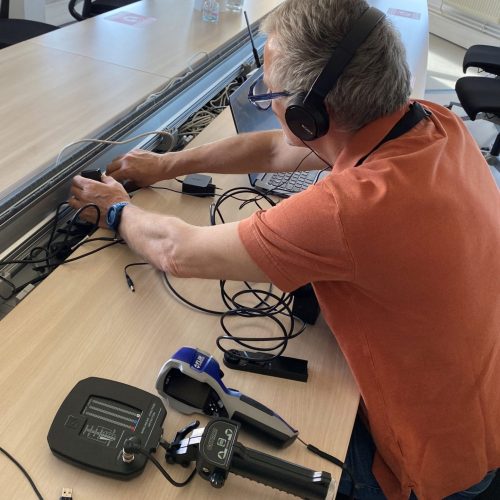
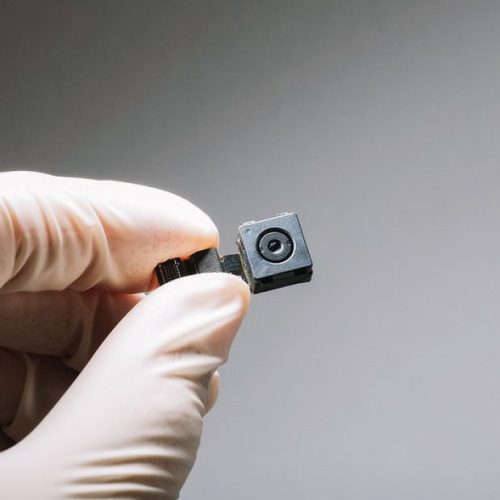
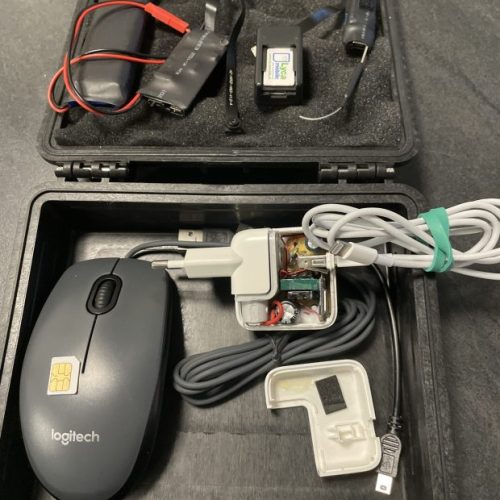
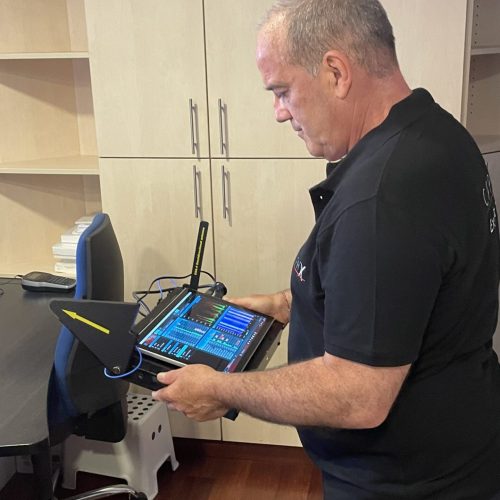
A Non-Linear Junction Detector (NLJD) is a professional electronic detection instrument designed to investigate concealed semiconductor-based electronics by transmitting RF energy and analyzing nonlinear harmonic responses.
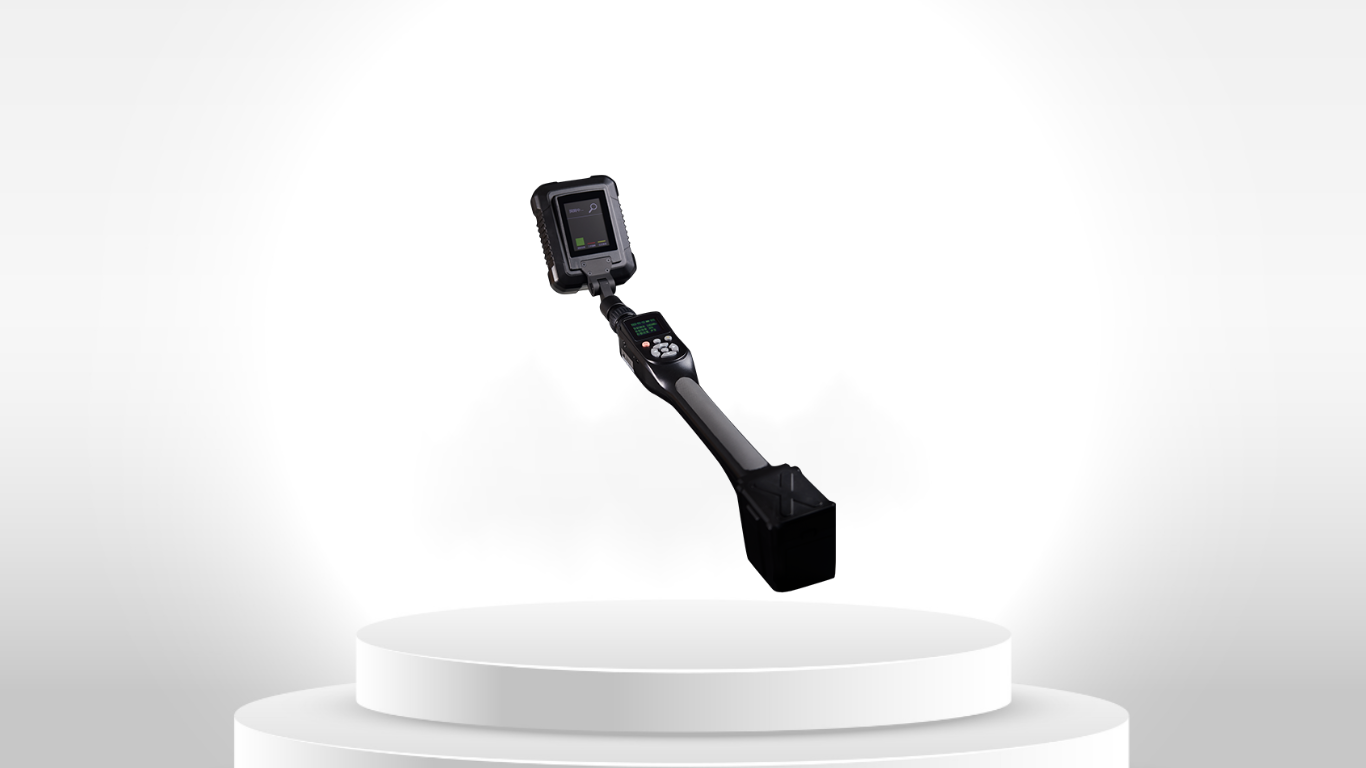
Unlike conventional RF detection, an NLJD does not depend on the target actively transmitting a wireless signal.
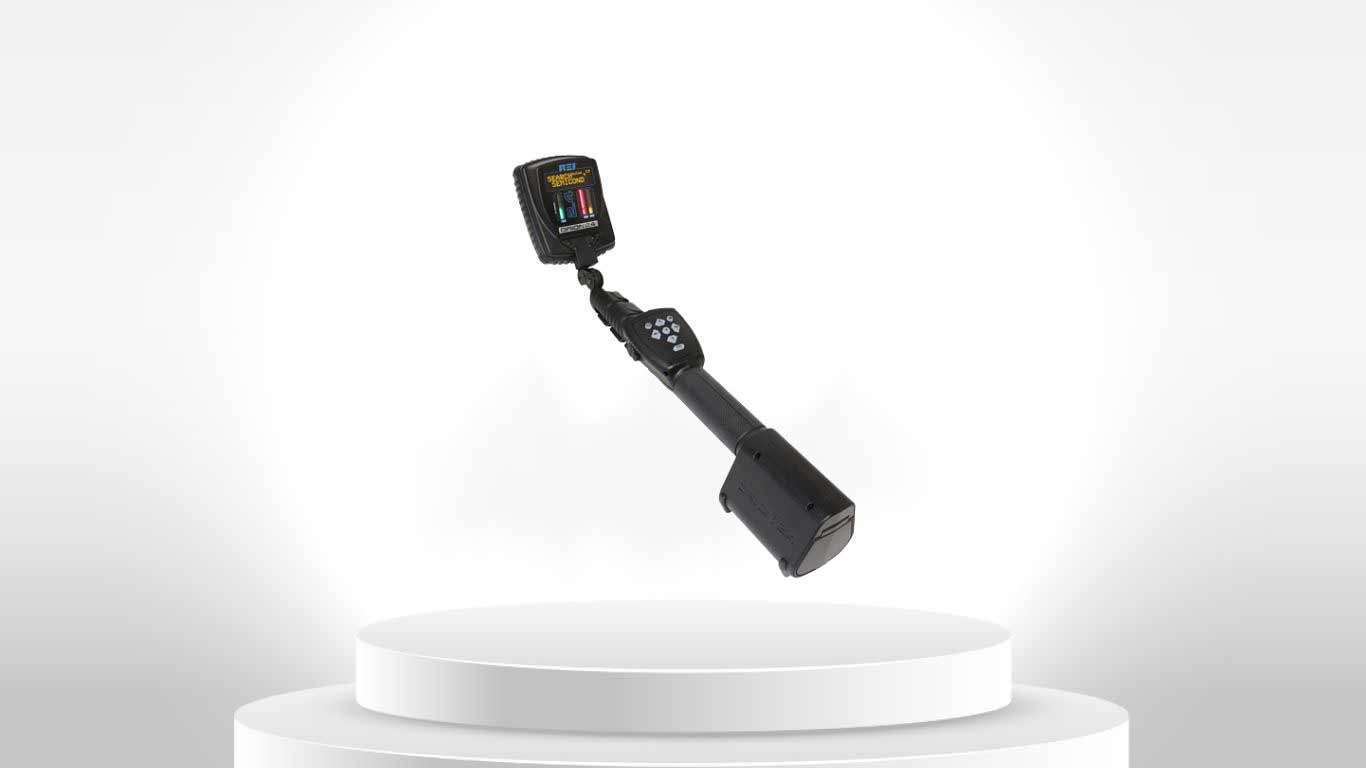
That makes NLJD technology a complementary detection layer when investigating electronic devices that may be switched on, in standby, inactive, not transmitting, or switched off.
The core question changes from:
“What is transmitting?”
to:
“Could electronic circuitry be concealed here?”
What Can an NLJD Detect?
An NLJD can be used to investigate electronic circuitry associated with devices such as:
- Concealed listening devices
- Covert cameras
- Digital voice recorders
- Mobile phones
- Tracking devices
- SIM cards
- Other semiconductor-based electronics
- Electronic surveillance equipment
The exact detection capability depends on the NLJD design, target characteristics, inspection conditions and operator methodology.
An NLJD response does not automatically identify the physical device, establish that it is a surveillance device, or determine malicious intent.
Detection → Assessment → Localization → Physical Verification
Can an NLJD Detect a Device That Is Switched Off?
Yes — this is one of the fundamental reasons NLJD technology exists.
Because NLJD detection investigates nonlinear responses associated with semiconductor electronics rather than relying solely on an active transmission, a concealed electronic device may remain detectable when it is powered off or not actively communicating.
This makes NLJD particularly relevant to TSCM inspections where conventional RF detection may not provide a response.
Detection performance depends on the target, construction, distance, orientation, surrounding materials, environmental conditions and equipment configuration.
NLJD vs RF Detection
| Investigation Question |
RF Detection |
NLJD |
| Is an active RF transmission present? |
Yes |
Not its primary purpose |
| Requires active wireless transmission? |
Generally |
No |
| Investigates powered-off electronics? |
Generally no |
Yes |
| Investigates semiconductor circuitry? |
No |
Yes |
| Analyzes RF spectrum? |
Model-dependent |
Not its primary purpose |
| Requires professional interpretation? |
Yes |
Yes |
| Requires physical verification? |
Yes |
Yes |
RF Detection
Is something transmitting?
NLJD
Could electronic circuitry be concealed here even without an active transmission?
The technologies address different but complementary inspection problems.
What It Investigates
- Concealed electronic devices
- Hidden microphones
- Covert cameras
- Electronic recorders
- SIM cards
- Other semiconductor-based electronics
Why It Is Different
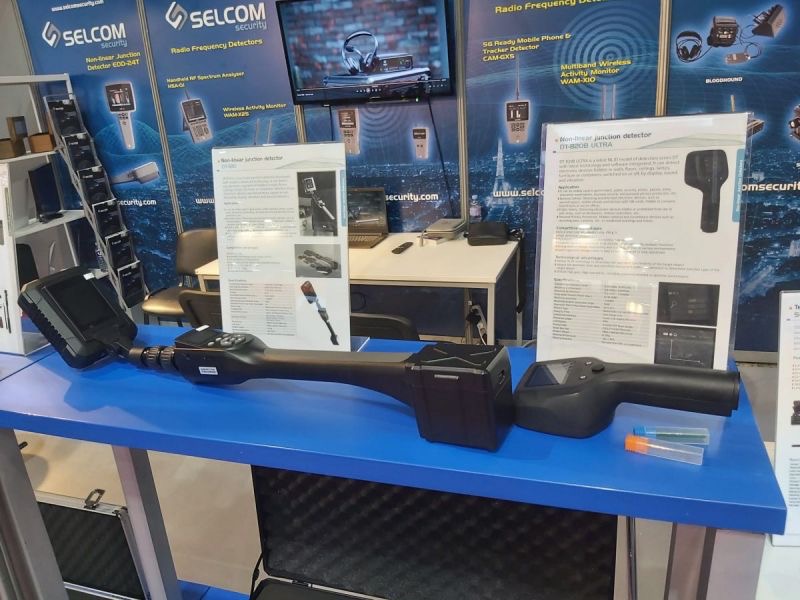
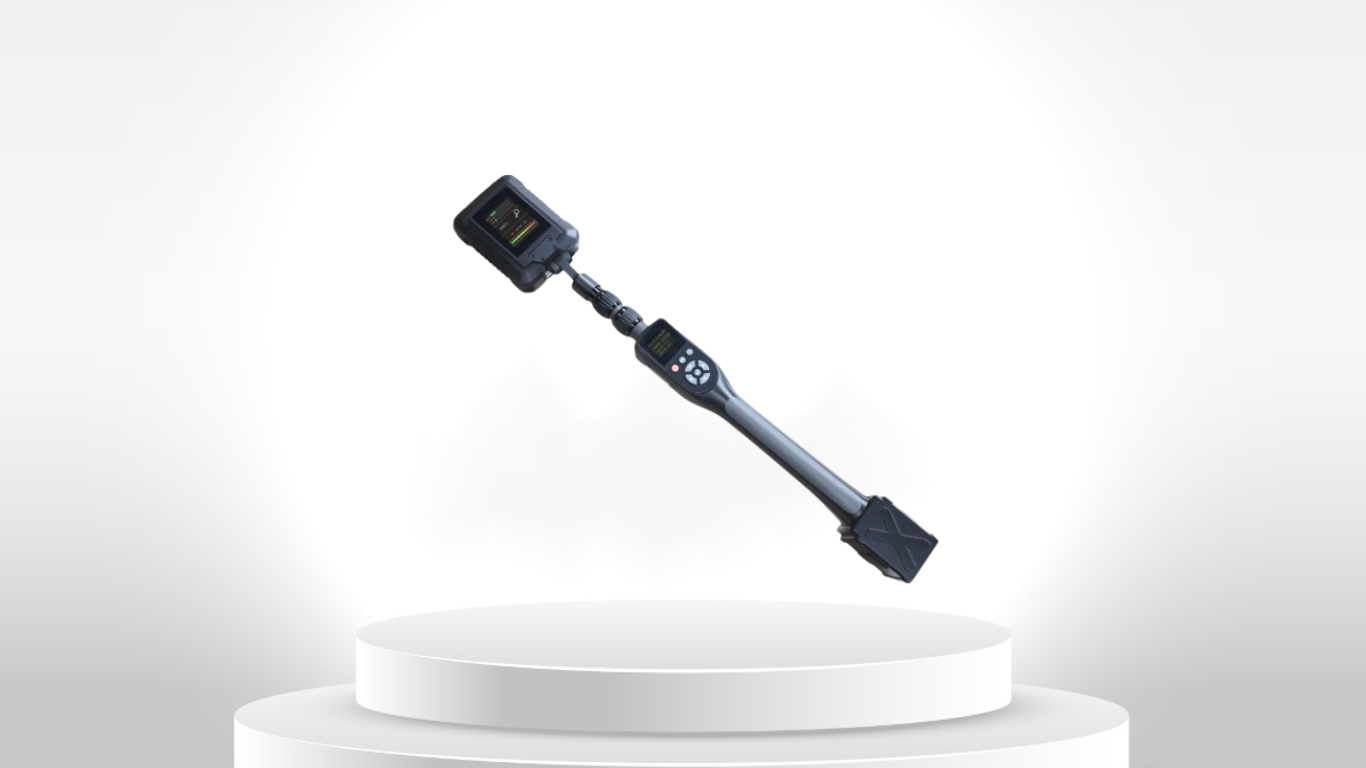
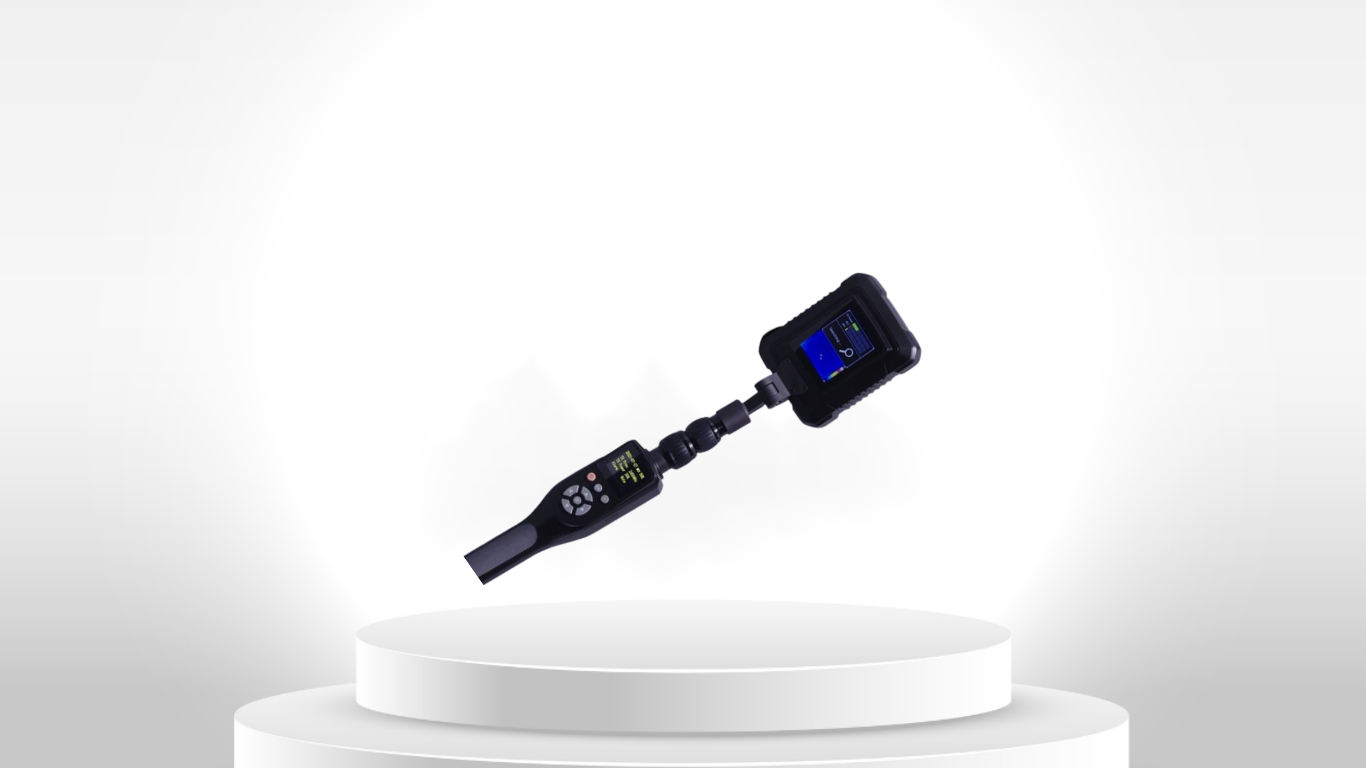
Dedicated NLJD detection combined with an extended-reach inspection architecture for areas that are difficult to inspect using a short handheld configuration.
Key Technology
2–3 GHz
Adjustable Sensitivity
Search Mode
Audio Mode
Adaptation Mode
Extended Reach
Best Fit
Professional TSCM teams requiring dedicated nonlinear junction detection with additional physical reach.
Limitation
An NLJD response indicates a nonlinear electronic response. It does not automatically establish the identity or threat status of the object producing that response.
What It Investigates
- Mobile phones
- Tracking devices
- Listening devices
- Covert cameras
- Digital voice recorders
- SIM cards
- Other concealed electronics
Why It Is Different
Portable NLJD inspection with additional response interpretation, including Silicon / Metal indication and audio assessment.
Key Technology
2.400–2.425 GHz
2nd Harmonic
3rd Harmonic
Silicon / Metal
TONE
DEMOD
Directional
Best Fit
TSCM professionals looking for a compact dedicated NLJD for mobile field inspections.
Limitation
Primarily a nonlinear junction detector rather than a replacement for dedicated RF spectrum analysis or active wireless signal investigation.
What It Investigates
- Concealed electronic surveillance equipment
- Mobile phones
- Voice recorders
- Cameras
- SIM-card-containing electronics
- Other semiconductor-based devices
Why It Is Different
Positioned around high-sensitivity dedicated NLJD detection with multiple response-feedback methods for professional field inspection.
Key Technology
2.4–2.5 GHz
4.8–5.0 GHz
7.2–7.5 GHz
≤ −140 dBm
≥6 m Specified Distance
370 mm Brick Wall Spec.
Audio
Vibration
Best Fit
Professional TSCM operators investigating concealed electronics in rooms, structures, furniture and difficult-to-access environments.
Limitation
Published sensitivity, range and penetration figures are manufacturer specifications. Actual performance varies according to target characteristics, concealment, distance, orientation, environment and operator technique.
What It Investigates
- Concealed cameras
- Hidden microphones
- Electronic surveillance equipment
- SIM cards
- Mobile phones
- Other semiconductor-based electronics
- Inactive or switched-off devices
Why It Is Different
Greater emphasis on signal processing, harmonic response interpretation and operator visualization rather than treating NLJD detection as a simple presence indicator.
Key Technology
2.404–2.472 GHz
2nd Harmonic
3rd Harmonic
DSP
Harmonic Visualization
Histogram
Spectrum View
Frequency Agility
Haptic Alerts
Best Fit
Advanced TSCM teams requiring professional NLJD inspection with enhanced response analysis and visualization.
Limitation
More advanced signal processing provides additional information; it does not eliminate the need for professional interpretation and physical verification.
What It Investigates
NLJD Layer
- Concealed semiconductor-based electronics
- Powered-off electronics
- Non-transmitting devices
Wireless Layer
- Cellular activity
- Bluetooth activity
- WiFi activity
- Other supported wireless transmissions
Why It Is Different
Connects two different inspection questions in one platform:
Concealed Electronics → Active Wireless Signal → Direction → Localization
Key Technology
2.4–2.5 GHz NLJD
2nd Harmonic
3rd Harmonic
≤ −140 dBm
50 MHz–6000 MHz Wireless
GSM
LTE
5G
Bluetooth
WiFi
Directional Positioning
Signal Strength
Best Fit
Professional TSCM operators who want nonlinear junction detection combined with active wireless signal detection and directional source localization.
Limitation
Wireless detection does not automatically establish the identity, authorization or intent of the transmitting device.
What It Investigates
- Concealed electronic devices
- Powered-off electronics
- Non-transmitting electronics
- Semiconductor-based electronics
- Electronics concealed inside structures and objects
Why It Is Different
Adds a thermal-information layer to nonlinear junction detection:
Electronic Response → Thermal Context → Assessment → Physical Verification
Key Technology
2.4–2.5 GHz
4.8–5.0 GHz
7.2–7.5 GHz
≤ −140 dBm
≥6 m Specified Distance
370 mm Brick Wall Spec.
160 × 120 IR
<50 mK
57° Horizontal FOV
71° Diagonal FOV
Best Fit
Professional TSCM teams investigating concealed electronics where additional thermal information may provide useful assessment context.
Limitation
A thermal pattern does not independently prove that a concealed electronic device is present, and an NLJD response does not independently establish the identity or threat status of the target.
How the NLJD Technology Range Progresses
01
ST 402
Dedicated NLJD → Extended Physical Reach
02
EDD-24T
Portable NLJD → Harmonic Detection → Response Assessment
03
AT-801
High-Sensitivity NLJD → Concealed Electronics Investigation
04
ORION 2.4
Advanced NLJD → DSP → Harmonic Visualization
05
AT-811
NLJD → Wireless Detection → Direction → Localization
06
AT-803B
NLJD → Infrared Imaging → Thermal Context → Assessment
How to Choose an NLJD
Need dedicated NLJD detection with extended physical reach?
→
ST 402 Cayman
Need a compact handheld NLJD for professional field work?
→
EDD-24T
Need a dedicated high-sensitivity NLJD?
→
AT-801
Need advanced harmonic processing and response visualization?
→
ORION 2.4
Need NLJD combined with wireless signal detection?
→
AT-811
Need NLJD combined with infrared imaging?
→
AT-803B
The NLJD Investigation Model
1. RF Detection
Is something actively transmitting?
2. NLJD Detection
Could electronic circuitry be concealed here even without an active transmission?
3. Harmonic Response Assessment
What type of nonlinear response is being observed?
4. Localization
Where is the potential electronic target?
5. Physical Verification
What physical object or component is actually producing the response?
6. Professional Assessment
Is the finding relevant to the security requirement?
Detection ≠ Identification
An NLJD response does not automatically establish:
• What the object is
• Who owns it
• Whether it is authorized
• Whether it is a surveillance device
• Whether it represents a security threat
Those questions require professional assessment and appropriate physical verification.
Frequently Asked Questions
What is a Non-Linear Junction Detector (NLJD)?
An NLJD is an electronic detection instrument that uses transmitted RF energy and analyzes nonlinear harmonic responses associated with semiconductor junctions in electronic components.
What does NLJD stand for?
NLJD stands for Non-Linear Junction Detector, also commonly written as Nonlinear Junction Detector. Both forms are used internationally.
What does an NLJD detect?
An NLJD investigates nonlinear electronic responses associated with semiconductor-based circuitry, including electronics that may be concealed, inactive or switched off.
Can an NLJD detect powered-off electronics?
Yes. This is one of the principal applications of NLJD technology because detection does not depend solely on the target actively transmitting a wireless signal.
Can an NLJD detect a device that is not transmitting?
Yes. NLJD technology can investigate semiconductor-based electronics without requiring an active wireless transmission from the target.
Can an NLJD detect hidden cameras?
An NLJD may detect semiconductor electronics associated with a concealed camera. However, an NLJD response does not by itself prove that the target is a camera. Physical verification remains necessary.
Can an NLJD detect listening devices?
It may detect semiconductor-based electronics associated with concealed listening equipment, including devices that are not actively transmitting.
Can an NLJD detect mobile phones?
Yes. Mobile phones contain semiconductor electronics that can produce nonlinear responses.
Can an NLJD detect GPS trackers?
An NLJD may detect the semiconductor electronics inside a concealed tracking device even when the tracker is not actively transmitting. This is different from RF detection of a tracker's wireless transmission.
What is the difference between NLJD and RF detection?
RF detection primarily investigates active electromagnetic transmissions. NLJD investigates nonlinear responses associated with electronic circuitry. They are complementary rather than interchangeable technologies.
Does an NLJD identify a spy device?
No. An NLJD response is not automatically a device identification. Professional inspection requires assessment and physical verification.
Does an NLJD replace an RF detector?
No. RF detection and NLJD address different detection problems and are often used as complementary layers in professional TSCM inspections.
Does an NLJD replace a spectrum analyzer?
No. A spectrum analyzer is designed for detailed RF frequency-domain investigation and signal characterization. An NLJD is designed around nonlinear junction detection.
Why is NLJD important for TSCM?
Electronic surveillance equipment does not necessarily need to be actively transmitting during an inspection. NLJD provides another detection layer for investigating concealed electronics that may not be visible or detectable through RF transmission analysis alone.
What should happen after an NLJD detection?
The response should be assessed, localized and physically verified where appropriate. Detect → Assess → Locate → Verify is more meaningful than treating the instrument response itself as a confirmed identification.